

Maddy summaryH 198 increases the University of Vermont Board of Trustees from 25 to 27 members by adding one voting faculty member (elected by the faculty) and one voting staff member (appointed with broad representation). It also requires that the two student trustee positions be filled by one full-time undergraduate student and one full-time graduate student, specifying their eligibility and term structure. The changes take effect on July 1, 2025, with new appointments needed by July 31, 2025. This bill directly affects the governance of the University of Vermont by expanding representation from faculty, staff, and students on the board.
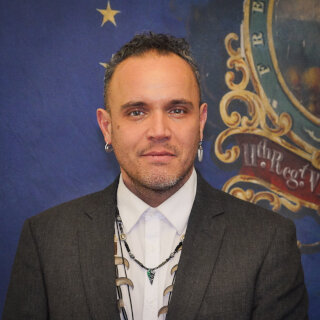
Rep. Brian Cina
Sponsored bills
Maddy summaryH 184 proposes a $500,000 community health center pilot program administered by Vermont's Department of Health. The bill directs grants to develop health and wellness programming specifically for marginalized communities facing health disparities. It requires the Department to seek input from the Health Equity Advisory Commission when designing the program. The bill was introduced by several representatives and referred to the Human Services Committee on February 11, 2025.
Maddy summaryH.189 eliminates criminal penalties for possessing or dispensing small personal amounts of drugs in Vermont, directly affecting individuals currently facing misdemeanor charges for such activities. It creates the Community Care, Health, and Safety Special Fund, using 40% of cannabis tax revenue and opioid settlement funds to support community-based harm reduction services, overdose prevention, and substance use treatment. The bill requires law enforcement to provide service referrals (like treatment or harm reduction resources) instead of arresting people for small drug amounts, and establishes a new advisory board to define "personal use" quantities. This shift aims to reduce overdose deaths and racial disparities in drug enforcement while redirecting resources from prosecution toward public health services.
Maddy summaryH.185 proposes creating a universal primary care program in Vermont, requiring the Green Mountain Care Board to develop a system that provides all Vermonters with free access to primary care services - including mental health, substance use treatment, and preventive care - without needing insurance enrollment. Key provisions eliminate cost-sharing for primary care, reduce administrative burdens on providers and insurers, and fund the program through allocated health insurance premiums and public funds. The bill also directs the Board to separate primary care practices from hospital control and fund medical training to increase provider supply. This program, planned to launch by 2028, directly affects all Vermont residents, primary care providers, and health insurers.
Maddy summaryThis bill limits University of Vermont (UVM) enrollment when Burlington's housing vacancy rate falls below 5%, requiring UVM to cap enrollment at the previous fall semester's level. It mandates that all UVM-owned or affiliated housing meet Burlington's municipal housing codes and rental safety standards by July 2025, with current students in non-compliant housing offered compliant alternatives first. The bill also creates a UVM Housing Task Force (including city officials, UVM representatives, and legislators) to monitor compliance, review housing strategies, and submit annual reports to the state legislature. These provisions directly affect UVM’s enrollment decisions, housing management, and Burlington residents experiencing housing market pressures.
Maddy summaryThis House Concurrent Resolution (HCR 12) is a non-binding ceremonial resolution expressing legislative congratulations to the University of Vermont (UVM) men's soccer team for winning their first NCAA Division I men's soccer championship (College Cup) in 2024. It formally recognizes the team's achievement, including their "Cardiac Cats" nickname and championship victory over Marshall University. The resolution directs the Secretary of State to send a copy to UVM Athletics but does not create any new policy, funding, or legal obligations. It is purely symbolic recognition of the team's athletic accomplishment.
Maddy summaryH.164 would change how Vermont distributes local option tax revenue to municipalities, increasing the share from 70% to 80% for the communities generating that revenue. It also requires that any surplus in the PILOT Special Fund (a fund for payments in lieu of taxes from state-owned properties) be distributed proportionally to the municipalities that contributed to the surplus. The bill directs the Joint Fiscal Office to prepare a report on transitioning to a system where the state retains only the minimal amount needed to administer the fund, aiming to eliminate future surpluses. This bill directly affects all Vermont municipalities receiving local option tax revenue and those contributing to the PILOT Special Fund.
Maddy summaryH 169 amends Vermont's anti-discrimination laws to prohibit landlords from requesting Social Security numbers on residential rental applications and requires them to accept all government-issued identification. It also adds "citizenship and immigration status" to the list of protected characteristics in housing and public accommodations, expanding existing protections against discrimination. The bill directly affects landlords, renters, and businesses serving the public by banning specific discriminatory practices in housing applications and services. Key provisions include banning SSN requests for rentals (§ 4456a) and updating definitions to include immigration status in housing (§ 4501, § 4503) and public accommodations (§ 4502). These changes aim to reduce barriers for renters, particularly immigrants and non-citizens, while clarifying prohibited discrimination.
Maddy summaryH.147 establishes the Recreational Trails Compensation Study Committee to examine whether landowners who allow public recreational trails on their property should receive compensation or benefits. The committee, composed of state officials, trail organizations, landowners, and experts, will review current trail access costs, economic impacts on Vermont, and compensation models used in other states. It must submit a report to the legislature by December 2026 with recommendations on potential compensation systems, trail standards, and new trail development criteria. This bill does not create immediate compensation requirements but mandates a study to inform future policy. The study will be funded with $250,000 in state funds for consultant support.
Maddy summaryH 139 creates a working group to study whether Vermont's secondary schools should require licensed athletic trainers at all athletic events and practices. The group, made up of education leaders, athletic directors, and athletic trainers, will examine the need, available resources, and cost-effective ways to share trainers across school districts. They must submit a report to lawmakers by December 1, 2025, but the bill itself does not require trainers to be present - only study the possibility. This affects all Vermont public secondary schools, particularly rural districts facing medical access challenges.