

Maddy summarySB 311 expands Utah's sales and use tax exemptions to include electric storage facilities alongside existing exemptions for alternative energy electricity production facilities. This means businesses purchasing or leasing equipment for battery storage systems that support renewable energy will now qualify for the same tax exemption previously available only for electricity generation facilities. The bill modifies tax code definitions and extends the exemption duration for eligible projects. It directly affects companies investing in renewable energy infrastructure, reducing their upfront costs for qualifying storage equipment. The policy change is limited to tax exemptions for specific facility types and does not alter tax rates or impose new fees.
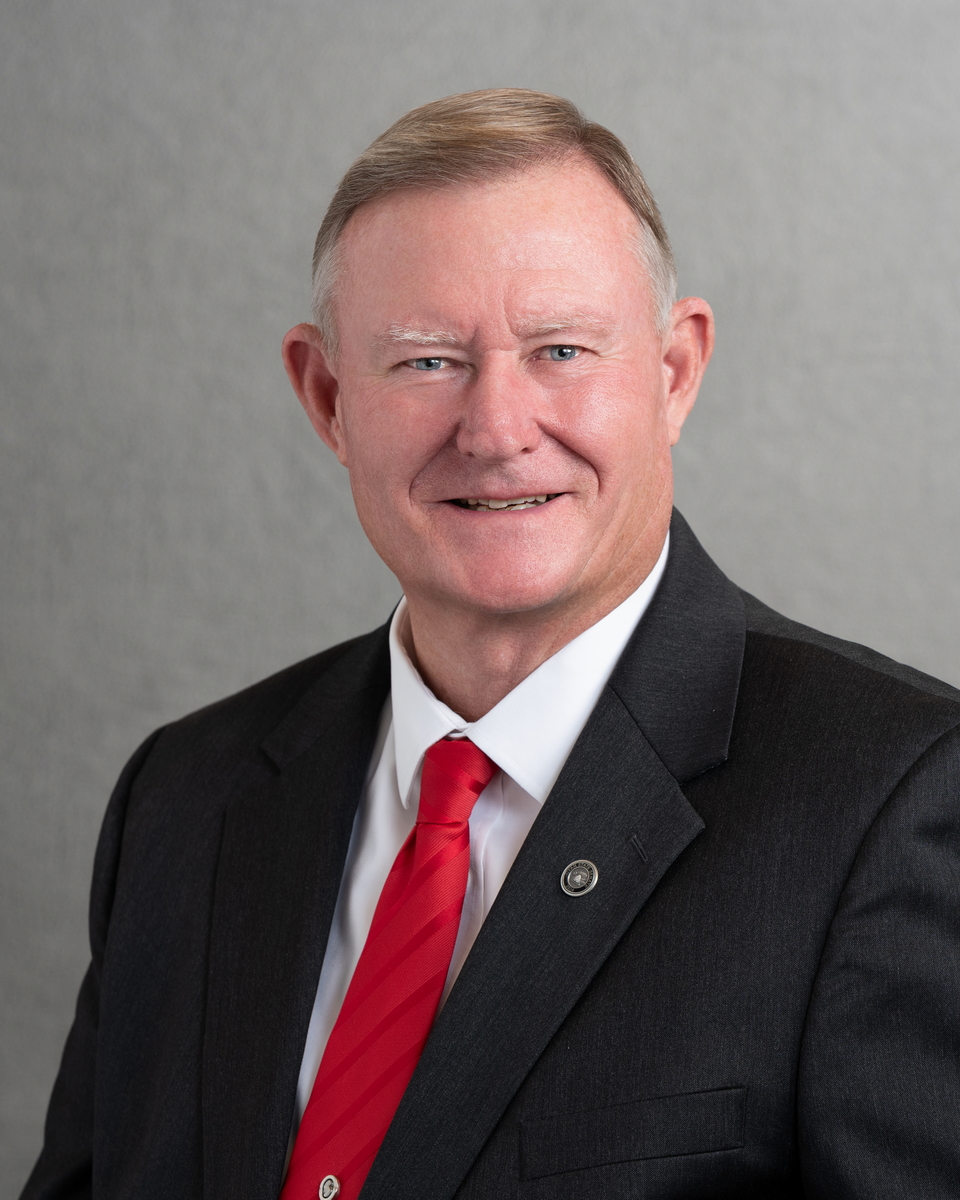
Sen. Evan Vickers
Sponsored bills
Maddy summaryHB 485 requires regulated residential facilities - such as treatment programs, recovery residences, and social detox centers - to notify neighbors before opening. Specifically, facilities must mail or post written notice to properties within 300 feet of their location within 30 days of starting operations. The notice must include the facility’s location, services offered, client focus, and contact details for a representative to address neighbor concerns. This bill directly affects facility operators and nearby residents, aiming to improve community transparency without adding new fees or funding. It amends Utah’s licensing rules for residential treatment programs and takes effect on May 7, 2025.
Maddy summaryHB 558 updates Utah's drug testing rules for local governments and state institutions of higher education. It adds oral fluid to the list of acceptable samples (along with blood, breath, hair, and urine) for testing employees and volunteers. The bill also allows local entities to use collection methods approved by independent bodies instead of requiring a separate independent collector for sample handling. These changes directly affect employees and volunteers working for counties, cities, school districts, or similar local government entities.
Maddy summaryHB 5 is Utah's base budget bill for fiscal years 2025 and 2026, allocating funds for state government operations. It appropriates a total of $397 million for FY 2026 (July 2025-June 2026) and $31 million for FY 2025 (July 2024-June 2025), specifying amounts from the General Fund, Income Tax Fund, and other sources. The bill directly affects all state agencies by funding their operations, employment levels, and capital projects as outlined in the budget allocations. It does not create new policies but provides the financial framework for existing government functions.
Maddy summaryThis bill creates a fast-track process for placing a specific constitutional amendment on the Utah ballot if the legislature proposes one between August 1 and September 1, 2024. It shortens the usual timeline for preparing ballot titles, analyses, and arguments, requiring these materials to be submitted and published much faster than standard procedures. The law also sets strict word limits for arguments and allows for brief rebuttal arguments to be included in the voter information pamphlet. These changes apply only to amendments proposed during that specific two-week window in 2024.