

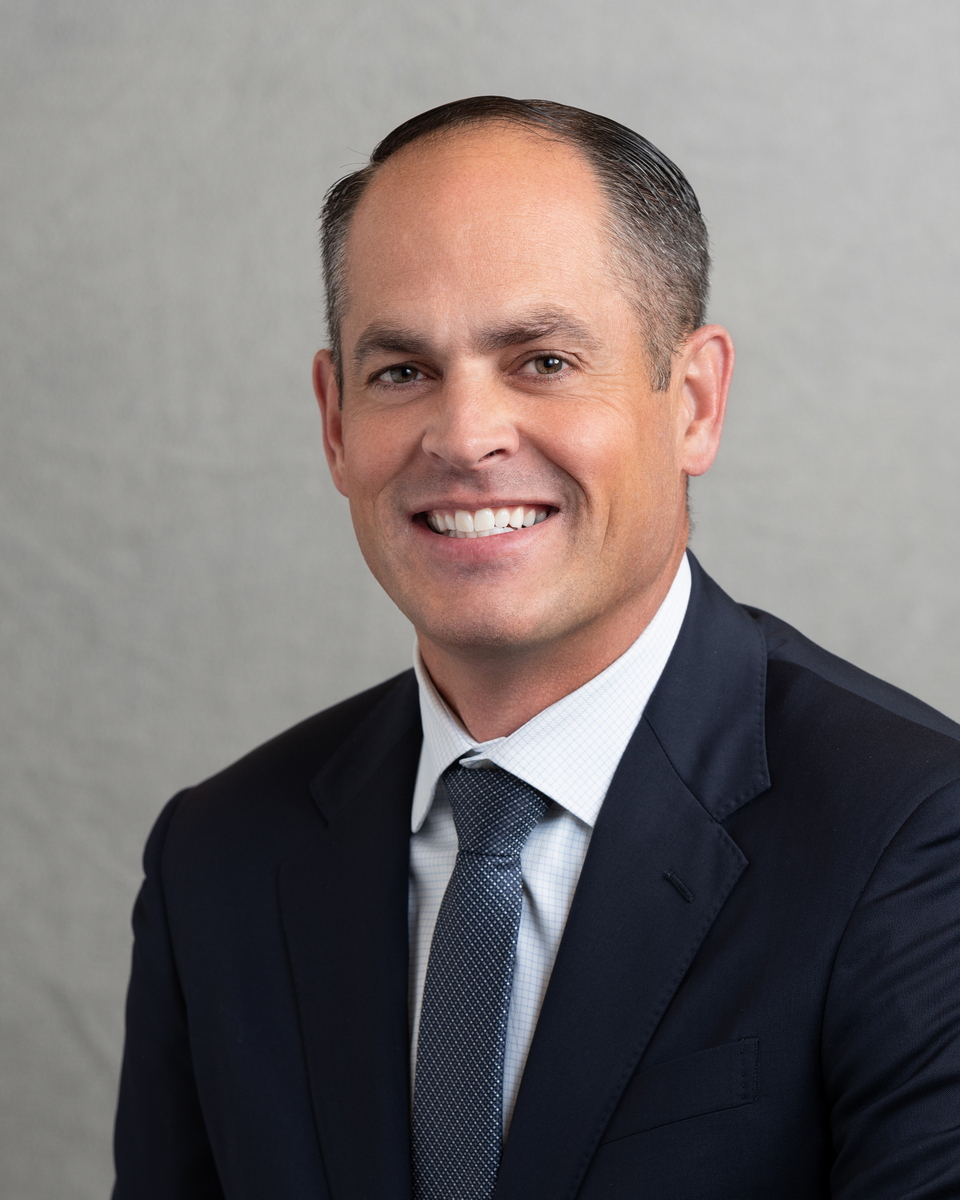
Photo of Mike McKell
R Utah Senate · District 25

Sen. Mike McKell

Compare
Total votes
5,652
all sessions
Attendance
78%
242 missed
Lower than 83% of chamber peers
With party
98%
of cast votes
Higher than 79% of chamber peers
Bipartisan score
1%
crosses aisle rarely
Lower than 90% of chamber peers
Sponsored
296
bills & resolutions
Higher than 82% of chamber peers
Committees
14
assignments
296 bills and resolutions

Sponsored bills

Total
296
Primary
90
Co-sponsor
206
This page
296
matching current filters
Co-sponsor HB 254
Signed into law · Utah House · Co-sponsor
Waste Classification Amendments

Maddy summaryHB 254 updates Utah's definitions for high-level nuclear waste and low-level radioactive waste to align with federal standards, replacing previous state-specific descriptions. The bill modifies Utah Code Sections 19-3-102 and 19-3-303 to reference federal definitions from 42 U.S.C. Section 10101 instead of detailed state examples. This change directly affects waste management entities, nuclear facilities, and regulatory agencies like the Waste Management and Radiation Control Board by standardizing how waste is categorized for regulatory purposes. The bill makes technical adjustments without altering disposal requirements or funding. No new financial obligations are created.

Signed into law Mar 24, 2025 1 co-sponsor
Co-sponsor HB 244
Signed into law · Utah House · Co-sponsor
Wildlife Management Area Amendments

Maddy summaryHB 244 creates the Bear River Bay Waterfowl Management Area on state-owned lands near the Great Salt Lake and modifies the Willard Spur Waterfowl Management Area. It removes restrictions on impounding structures and prohibits bans on airboat and small watercraft use year-round (except in limited habitat protection zones). The bill also requires an advisory committee for the Willard Spur area to advise on structures. These changes directly affect recreational users like hunters, anglers, and wildlife viewers who access these areas, while focusing on managing habitat for waterfowl and other wildlife.

Signed into law Mar 24, 2025 1 co-sponsor
Co-sponsor HB 307
Signed into law · Utah House · Co-sponsor
Wildfire Funding Amendments

Maddy summaryHB 307 creates a unified Utah Wildfire Fund by combining multiple existing wildfire-related funds, consolidating oversight and financial management under one structure. The bill appropriates $150,022,500 for fiscal year 2026 to cover wildfire suppression, preparedness, and recovery costs, directly affecting state agencies and local governments managing wildfire response. Key provisions include updating definitions, requiring annual reporting on fund usage, and coordinating with H.B. 48 to transition to the new fund structure. It also modifies rules for community wildfire preparedness plans in wildland-urban interface areas and removes outdated references to prior funds. The bill aims to streamline funding access while maintaining accountability for wildfire-related expenditures.

Signed into law Mar 24, 2025 1 co-sponsor
Co-sponsor HB 346
Signed into law · Utah House · Co-sponsor
Department of Agriculture and Food Amendments

Maddy summaryHB 346 requires the Utah Department of Agriculture and Food to annually have an independent accountant review accounts containing proceeds from agricultural marketing orders. These marketing orders are programs that help promote orderly markets and ensure fair returns for Utah's agricultural producers. The bill makes minor technical adjustments to existing law but does not involve new funding or affect other entities. This change applies solely to the department's internal accounting procedures for managing these specific funds.

Signed into law Mar 24, 2025 1 co-sponsor
Co-sponsor HB 48
Signed into law · Utah House · Co-sponsor
Wildland Urban Interface Modifications

Maddy summaryHB 48 requires Utah counties to assess fees on high-risk wildland urban interface (WUI) properties - where homes meet wildfire-prone areas - and deposit those fees into a dedicated prevention fund. It mandates counties and municipalities to adopt updated WUI building codes, requires insurers to provide specific notices to property owners, and establishes a program for local coordinators to evaluate high-risk properties using a standardized scale. Homeowners in WUI zones, local governments, and insurers are directly affected by these new requirements and fee structures. The bill makes no new funding appropriations but creates a database for insurers to access risk evaluations of properties.

Signed into law Mar 20, 2025 1 co-sponsor
Co-sponsor HB 239
Signed into law · Utah House · Co-sponsor
Disaster Funds Revisions

Maddy summaryHB 239 updates Utah's disaster funding structure by renaming the "Response, Recovery, and Post-disaster Mitigation Restricted Account" to the "Disaster Response, Recovery, and Mitigation Restricted Account." It allows funds to be used for *pre-disaster mitigation* (like building flood barriers before storms) in addition to traditional disaster response and recovery. The bill increases annual spending limits for emergency services - up to $3 million without extra approval, and up to $10 million with governor and legislative committee approvals - and requires specific reporting for larger expenditures. These changes directly affect the Division of Emergency Management (which manages the funds) and local communities receiving disaster aid.

Signed into law Mar 20, 2025 1 co-sponsor
Co-sponsor HB 224
Signed into law · Utah House · Co-sponsor
Inmate Reentry, Finances, and Debt Modifications

Maddy summaryHB 224 requires Utah county jails to notify state debt agencies when an inmate is incarcerated for 90+ consecutive days or upon release, enabling agencies to address existing debts. It suspends interest accrual on certain debts during incarceration (90+ days) and for 180 days after release, while expanding the Corrections Department’s role in providing inmates with debt information and financial literacy resources. The bill also modifies child support enforcement, suspending orders during incarceration and resuming them 90 days post-release. These provisions directly affect incarcerated individuals and state agencies managing debts, focusing on reducing financial barriers during reentry. The law takes effect in 2027 with delayed implementation for key requirements.

Signed into law Mar 20, 2025 1 co-sponsor
Co-sponsor HB 296
Signed into law · Utah House · Co-sponsor
Recovery Residence Services Amendments

Maddy summaryHB 296 clarifies definitions for Utah's residential program regulations, specifically distinguishing "residential recovery services" from "residential vocational or life skills programs." It removes an annual registration application requirement for nonprofit vocational and life skills programs that don't accept government funding or provide mental health/substance use treatment. The bill makes technical updates to multiple Utah Code sections (including 13-53-101 through 13-53-111) to align definitions and administrative processes. This affects nonprofit programs offering voluntary vocational training without government funding or credentialing, streamlining their regulatory requirements without adding costs or new mandates.

Signed into law Mar 19, 2025 1 co-sponsor
Primary SB 297
Signed into law · Utah Senate · Lead sponsor
Congregate Care Amendments

Maddy summarySB 297 creates a new regulatory framework for congregate care programs in Utah, which house children in group settings. It establishes a Congregate Care Advisory Committee and an ombudsman to receive and investigate complaints, while requiring programs to set approved admissions criteria, maintain crisis contact lists, and notify authorized contacts during emergencies. The bill sets minimum safety standards for facilities, creates a Civil Money Penalty Fund for violations, and mandates whistleblower protections for those reporting concerns to the ombudsman. These changes directly affect congregate care providers, the children they serve, and their families by increasing oversight and accountability. The bill makes technical amendments to Utah Code sections governing licensing and program requirements.

Signed into law Mar 19, 2025 0 co-sponsors
Co-sponsor HB 12
Signed into law · Utah House · Co-sponsor
Division of Purchasing and General Services Amendments

Maddy summaryHB 12 amends Utah's Procurement Code to clarify definitions and procedures for state purchasing. It specifically eliminates the option for the Purchasing from Persons with Disabilities Advisory Board (PPDAB) to form an association for assistance, instead authorizing the PPDAB to contract directly with individuals for support. The bill also clarifies that awarding a contract does not create a contractual relationship with the vendor, prohibits certain contractual terms in procurement agreements (with exceptions), and limits state liability for specific damages. These changes primarily affect Utah state agencies conducting procurements and vendors working with them, streamlining administrative processes within existing procurement rules.

Signed into law Mar 19, 2025 1 co-sponsor
Showing 81 to 90 of 296 bills
Previous 1 8 9 10 30 Next