

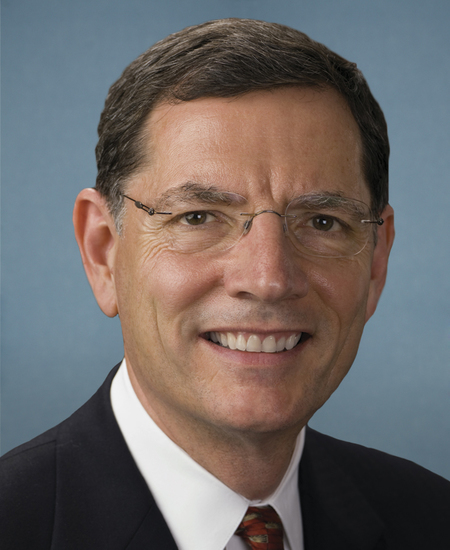
Maddy summaryThis resolution honors the life and legacy of the late Senator Lindsey Olin Graham from South Carolina. It formally acknowledges his extensive career in the military, state government, and Congress, noting his service as a Senator and his roles as Chairman of the Judiciary and Budget committees. The Senate expresses its sorrow over his death and requests that this tribute be shared with the House of Representatives and Graham's family.
Sponsored bills
Maddy summaryThis bill establishes a comprehensive sanctions framework targeting the Russian government and its affiliated entities in response to ongoing military actions. It authorizes the President to block assets, revoke visas, and prohibit financial transactions for Russian officials, military leaders, and foreign persons supporting Russia's defense industry or undermining Ukraine. The legislation also bans U.S. investments in Russian energy sectors, prohibits the purchase of Russian sovereign debt, and imposes high tariffs on Russian imports while restricting crude oil purchases by specific foreign nations. Additionally, the bill prevents Russian companies from listing on U.S. stock exchanges and includes mechanisms for terminating sanctions only if Russia signs a peace agreement accepted by Ukraine and ceases hostilities.
Maddy summaryThe CLOSE THE GAP Act aims to streamline the permitting process for installing and modifying communications facilities, such as cell towers, on Federal land managed by agencies like the National Park Service and the Forest Service. It requires these agencies to create standardized, technology-neutral rules that allow applications to be processed simultaneously rather than sequentially and mandates that fees charged to applicants be based solely on the actual administrative costs incurred. To improve transparency and speed, the bill establishes online portals for submitting applications, requires agencies to track and report processing times, and creates a new working group to coordinate reviews across different Federal land management agencies. Additionally, the legislation simplifies environmental reviews for projects on previously analyzed land and allows for faster approval of public safety improvements at existing sites without requiring new environmental impact statements.
Maddy summaryThe Protecting American Taxpayers Act is a comprehensive bill designed to combat government fraud, recover misused funds, and strengthen oversight across various federal programs. It directly affects federal agencies, state governments administering public assistance, small businesses, veterans, and contractors by imposing new reporting requirements, extending statutes of limitations for fraud cases, and restricting financial assistance to entities linked to foreign agents or the Taliban. Key mechanisms include requiring child care payments to be based on recorded attendance rather than enrollment, mandating investigations into sudden spikes in health care spending, prohibiting small businesses with convicted fraudsters from receiving loans, and creating a new officer within the Department of Veterans Affairs dedicated to scam prevention. Additionally, the legislation rescinds unspent pandemic-era funds for deficit reduction, expands whistleblower protections for defense and non-defense contractors, and establishes stricter rules against transferring public assistance money abroad via remittance transfers.
Maddy summaryThis bill requires the Department of Housing and Urban Development to improve how it counts homeless individuals across the country. It mandates that local organizations conduct an annual count during the last ten days of April using standardized data systems, while also allowing optional counts at other times of the year. The legislation provides training and technical support for rural areas to help them collect accurate data and submit regular reports to Congress. Additionally, it requires organizations to update their data year-round and collect mid-year information to better track trends and plan services. A Government Accountability Office study will be conducted within a year of the bill's enactment to review the new counting methods and suggest further improvements.
Maddy summaryThis resolution designates May 2026 as National Wildfire Preparedness Month to raise awareness about wildfire risks and promote safety measures. It encourages federal, state, local, and tribal governments, as well as community organizations, to increase public knowledge about fire prevention and mitigation strategies. The bill highlights specific actions such as home hardening, land management, evacuation planning, and reducing human-caused ignition sources to help communities better prepare for increasingly severe wildfire seasons.
Maddy summaryThis resolution designates July 15, 2026, as Glioblastoma Awareness Day to raise public attention about this aggressive and deadly form of brain cancer. The bill honors patients and families affected by the disease while encouraging greater awareness of the urgent medical needs and research opportunities surrounding it. It also expresses support for collaborative efforts among government, private, and nonprofit organizations to develop better treatments and invests in ongoing research initiatives.
Maddy summaryThe FEAT Act allows individuals involved in specific Department of Interior administrative proceedings to move their cases to a federal district court instead of having them heard solely by internal agency tribunals. This change applies to parties who either seek approval for certain conduct or are appealing sanctions and penalties imposed by the Department. Under the new rules, these parties must file for removal within 60 days of starting the action, and the federal court will review the case from scratch rather than relying on the agency's initial decision.
First Rhode Island Regiment Congressional Gold Medal Act This bill provides for the award of a single Congressional Gold Medal to the First Rhode Island Regiment, collectively, in recognition of their dedicated service during the Revolutionary War.
Maddy summaryThe Let America Build Act of 2026 primarily streamlines the process for leasing and permitting oil, gas, and mineral resources on federal lands while expanding state and tribal regulatory authority. It requires the Interior Department to resolve lease protests within 60 days and prevents lawsuits from delaying drilling permits or invalidating leases, even if environmental reviews are challenged. The bill grants states and tribes the power to issue drilling permits and regulate hydraulic fracturing on available federal land, provided they meet specific effectiveness standards. Additionally, it accelerates the approval of liquefied natural gas export projects by setting strict deadlines for federal decisions and limiting the scope of environmental reviews for the Federal Energy Regulatory Commission.