

Maddy summaryThis bill requires canned agricultural products imported to the U.S. to display their country of origin on the front label or stamped/embossed on the top of the can. It applies specifically to agricultural products defined under the Agricultural Marketing Act of 1946. The labeling requirement would take effect 18 months after the bill is enacted. This directly affects importers of canned agricultural goods entering the U.S. market.
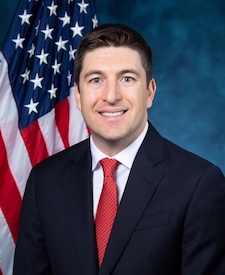
Rep. Bryan Steil
Sponsored bills
Maddy summaryThe Maximum Pressure Act (HR 6114) is a legislative proposal that would maintain and expand U.S. sanctions against Iran. The bill would codify existing sanctions, require Iran to meet 12 specific conditions before sanctions could be lifted (including ending support for terrorism, releasing hostages, and ending nuclear enrichment), and expand sanctions on Iran's Revolutionary Guard Corps and missile programs. It also establishes new reporting requirements for the U.S. government to monitor Iran's activities and the impact of sanctions. The legislation would require congressional review before any sanctions could be lifted or modified, preventing the executive branch from unilaterally easing restrictions.
Maddy summaryThis bill, titled "Freezing HAMAS Act" (though it concerns Iran sanctions, not Hamas), reinstates U.S. sanctions on Iran that were previously waived or suspended under agreements with Iran. It specifically targets sanctions from the 2012 Iran Freedom and Counter-Proliferation Act and the 2012 National Defense Authorization Act, including a September 2023 waiver related to fund transfers. The bill prohibits the U.S. government from releasing funds or assets to Iran or granting further waivers related to these sanctions. It directly affects U.S. government actions regarding Iran financial transactions and enforcement of existing sanctions.
Maddy summaryThis bill would require Medicare to cover FDA-approved blood tests that screen for multiple cancers simultaneously (like breast, lung, or colorectal cancer) for beneficiaries. It directly affects Medicare recipients aged 65+ who could access these new screenings once per year, without prior authorization. The key provision adds "multi-cancer early detection screening tests" to Medicare's covered services under Part B, defining them as blood tests analyzing cell-free DNA, while maintaining existing coverage for standard screenings like mammograms. The bill does not change current coverage for individual cancer screenings but ensures Medicare keeps pace with new medical technology.
Maddy summaryHR 1666 extends deadlines for ambulance service reimbursement rules under Medicare. It amends Section 1834(l) of the Social Security Act by changing dates from 2025 to 2028 in two specific provisions: paragraph (12)(A) and paragraph (13)(A). This delay gives ambulance providers additional time to adjust to existing Medicare payment rules. The bill directly affects Medicare-certified ambulance services and the patients relying on ground ambulance care covered by Medicare.
Maddy summaryThis bill bans federal funding for abortions in most cases, prohibiting the use of taxpayer money for abortion services or health insurance plans covering abortion. Exceptions allow funding for abortions resulting from rape, incest, or when a pregnancy endangers a woman's life. It requires health insurance plans sold through the Affordable Care Act (ACA) marketplaces to clearly disclose any separate costs for abortion coverage and prohibits ACA subsidies from being used for plans that cover abortion (except in the specified exceptions). The law directly affects federal programs like Medicaid, ACA marketplace plans, and insurers offering health coverage to individuals using federal subsidies.
Maddy summaryHR 10427, the *Continuing Opportunities for People with Disabilities to Excel Act*, directs the Secretary of Labor to withdraw a proposed rule about section 14(c) certificates under the Fair Labor Standards Act. This proposed rule (published December 4, 2024) would have affected how employers use special certificates allowing payments below minimum wage to workers with disabilities. The bill halts the rule’s progression but does not change current law or impact existing workplace arrangements. It directly addresses a regulatory proposal, not a new policy affecting workers or employers.
Maddy summaryHR 9488, the SHIELD Act, requires political committees in federal elections to verify specific details before accepting online credit or debit card donations. It mandates that donors disclose their card's verification number and confirm their billing address is in the U.S. (or provide U.S. identification if abroad), while banning the acceptance of gift cards or prepaid cards for contributions. The bill directly affects political committees (campaigns) and online donors, changing how digital campaign contributions are processed. Key provisions include mandatory disclosure of card details, address verification, and a complete prohibition on gift/prepaid card donations for federal election contributions.
Maddy summaryHR 8753 requires the U.S. Postal Service to assign a single, unique ZIP Code to 31 specific communities across 10 states, including Eastvale, CA, and The Villages, FL, within 270 days of the bill's enactment. This change directly affects residents and businesses in these communities by standardizing mail delivery addresses. The key mechanism mandates the USPS to establish one distinct ZIP Code per listed community, replacing any existing multi-part or shared codes. This is a procedural adjustment to improve mail sorting efficiency, not a substantive policy change.
Maddy summaryThis bill requires the Treasury Department to report on Hamas financing sources and U.S. efforts to disrupt those funds within 180 days of enactment. It directs Treasury to develop a multilateral strategy with international allies to prevent Hamas from financing hostilities against Israel. The bill also prohibits using the Exchange Stabilization Fund to exchange Special Drawing Rights with countries designated as state sponsors of terrorism under specific laws. These provisions directly affect U.S. financial operations and Treasury's coordination with international partners. The bill focuses on restricting financial mechanisms tied to designated terrorist entities, without altering existing sanctions.