

Maddy summaryHR 3340, the Modernizing Access to Our Public Oceans Act, requires the U.S. Commerce Department to create a public online map system showing fishing restrictions and recreational access rules in federal ocean waters. The system will display areas open or closed to fishing, vessel restrictions (like motorized propulsion limits), and rules for marine protected areas, updated at least twice yearly. It prohibits sharing sensitive information, such as tribal cultural sites or private commercial fishing data, and explicitly excludes Tribal fishing areas from its requirements. This bill directly affects recreational boaters, divers, and the public by making ocean access information clearer and more accessible through a single online resource. The data will be developed with input from states, tribes, and the public to ensure usability and compliance with existing laws.
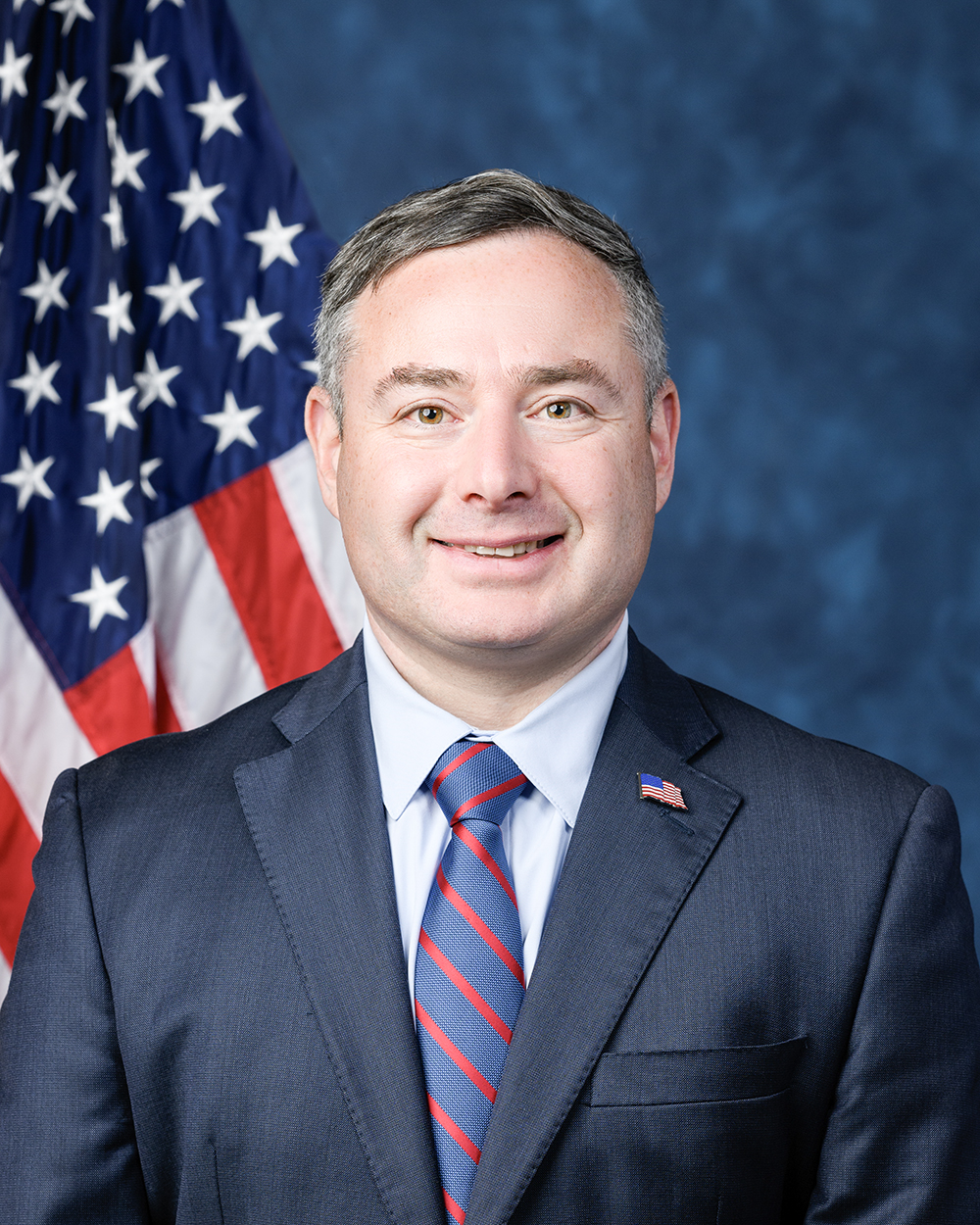
Rep. Eugene Simon Vindman
Sponsored bills
Maddy summaryThis bill directs U.S. agencies to support Iranian people's access to uncensored information and hold Iranian officials accountable for human rights abuses. It requires the State Department and FCC to report on technologies (like satellite networks and mesh systems) that could bypass internet restrictions in Iran, and authorizes $2 million annually to develop such tools. The bill also establishes a new "Iran Kleptocracy Initiative" at FinCEN to track corruption, freeze assets of Iranian regime officials and state-owned businesses, and coordinate with international partners. These measures apply to U.S. policy toward Iran but do not alter Iran's domestic laws; they focus on U.S. sanctions, technology development, and anti-corruption efforts targeting the Iranian regime.
Maddy summaryHR 7600, the Postal Supervisors, Managers, and Postmasters Fairness Act of 2026, requires the U.S. Postal Service to formally negotiate pay and benefits changes with unions representing supervisors, managers, and postmasters. Specifically, it mandates that the Postal Service provide written proposals to these unions 60 days before existing pay decisions expire or after new collective bargaining agreements affect these roles. The bill also shortens the dispute resolution timeline, requiring binding decisions from panels within 15 days after recommendations. This bill directly affects the Postal Service, the supervisors’ organization, and the postmasters’ organization by standardizing their negotiation process for pay and benefits.
Maddy summaryThis bill expands funding and capabilities for the United States-Israel Binational Agricultural Research and Development Fund, which supports collaborative agricultural research between scientists in both countries. The legislation authorizes $8 million annually from 2026 to 2030 for existing BARD Fund activities and adds $12 million annually for a new accelerator program designed to fast-track mid-stage agricultural research projects. The expanded program includes new eligibility for countries that have normalized relations with Israel under the Abraham Accords and allows the fund to provide technical assistance and management guidance to participating scientists. These changes aim to increase the number and impact of cooperative agricultural research projects that address food production challenges shared by the United States and its partner nations.
Maddy summaryHR 7543, the Plastic Pellet Free Waters Act, prohibits plastic pellets and pre-production plastic materials from being discharged into waterways through wastewater, spills, or runoff from specific facilities. It directly affects plastic manufacturing, molding, packaging, and transportation facilities regulated under existing environmental rules. Within 60 days of enactment, the EPA must issue a rule banning these discharges and update all relevant wastewater, stormwater, and performance standards in permits. The law requires all permits and standards for these facilities to reflect the new ban, ensuring plastic pellets cannot enter water systems. This is a concrete regulatory change to prevent plastic pollution at its source.
Maddy summaryThis bill requires most employers to provide workers with earned paid sick leave. Employees would earn 1 hour of paid sick time for every 30 hours worked, up to 56 hours per year, which can be used for their own illness, medical care, caring for family members (including children, parents, spouses, domestic partners, or other family-like relationships), or addressing domestic violence, sexual assault, or stalking situations. The bill prohibits employers from retaliating against workers who use this leave and requires employers to inform employees about their rights. It ensures that workers who leave and return to the same employer within a year can reinstate their unused sick leave. This law would not override more generous state or local paid leave policies.
Maddy summaryThis bill would add wigs (classified as "cranial prostheses") to Medicare's list of covered durable medical equipment. It directly affects Medicare beneficiaries experiencing hair loss due to medical conditions like cancer, chemotherapy, or autoimmune diseases, requiring a written certification from a dermatologist, oncologist, or treating physician. The key provision mandates that coverage only applies when a doctor certifies the medical necessity as part of treatment or rehabilitation. This change modifies existing Medicare rules to include these prostheses under the same coverage criteria as other medically necessary equipment.
Maddy summaryThis bill establishes the United States-Israel Defense Technology Cooperation Initiative to accelerate joint development and integration of defense technologies between the two countries. It directs the U.S. Secretary of Defense, with Israel’s agreement, to identify Israeli-origin technologies for rapid adoption into U.S. military systems, focusing on areas like counter-drone systems, missile defense (including "Golden Dome for America"), AI, cyber defense, and directed energy. The initiative requires annual congressional reporting on progress, partnerships with industry, and technology transitions, while authorizing $150 million annually for fiscal years 2027-2029. It aims to strengthen bilateral defense innovation and streamline the use of Israeli technologies within U.S. military programs.
Department of Homeland Security Appropriations Act, 2026 This bill provides FY2026 appropriations for various agencies and offices within the Department of Homeland Security (DHS), except for U.S. Immigration and Customs Enforcement (ICE), U.S. Customs and Border Protection (CBP), and management and oversight activities of the Office of the Secretary. Specifically, the bill provides appropriations to DHS for the Federal Protective Service, the Office of Inspector General, the Transportation Security Administration, the U.S. Coast Guard, the U.S. Secret Service, the Cybersecurity and Infrastructure Security Agency, the Federal Emergency Management Agency (FEMA), U.S. Citizenship and Immigration Services, the Federal Law Enforcement Training Centers, and the Science and Technology Directorate. The bill does not provide appropriations for some agencies and activities that have been funded in prior DHS appropriations acts, including ICE, CBP, and management and oversight activities of the Office of the Secretary.
Maddy summaryHR 7507, the Fiscal Harms of Federal Firings Act, mandates the Government Accountability Office (GAO) to study how federal workforce reductions (RIFs) impact state and local government budgets. The study will examine increased costs for services like unemployment insurance and Medicaid, reduced tax revenues, regional economic shifts, and varying fiscal challenges across states. It requires the GAO to consult with state officials, economists, and federal agencies, then submit a public report to Congress within 18 months detailing findings, historical case studies, and policy options. This bill does not change federal policy but aims to provide data for future decisions about RIFs' fiscal effects.