

Maddy summaryThis bill strengthens rights for crime victims in federal cases by requiring the government to inform victims about their rights, including details about plea bargains, agreements, and legal assistance options. It creates a new process for victims to file complaints about rights violations with a Department of Justice Administrative Authority, which must issue decisions within 180 days. The bill also mandates trauma-informed training for DOJ staff, requires the DOJ to report on implementation, and allows victims to seek attorney's fees if they successfully assert their rights. These changes apply to all federal criminal cases where a victim has been directly harmed by an offense.
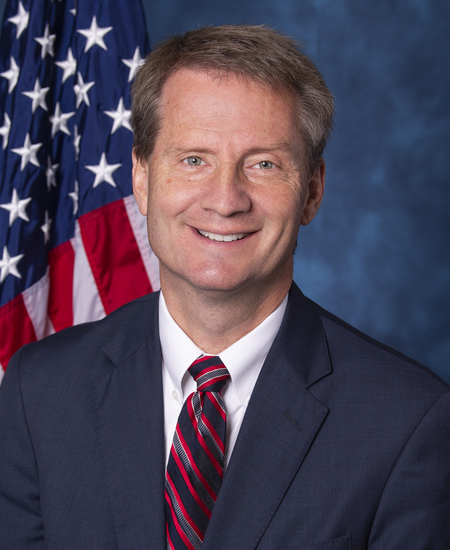
Rep. Tim Burchett
Sponsored bills
Maddy summaryThe "No DEI in DC Act" (HR 5474) prohibits the District of Columbia government from engaging in what it defines as "prohibited diversity, equity, and inclusion practices." This includes banning DEI training programs, requiring employees to sign statements about race or gender, and maintaining offices focused on diversity issues. The bill abolishes numerous DC offices and commissions related to diversity, such as the Mayor's Office of Racial Equity, Commission on Health Equity, and LGBTQ-focused offices. It also prohibits using District funds for DEI-related activities or maintaining DEI-focused offices, with the law taking effect 90 days after enactment.
Maddy summaryHR 5459 adjusts the Congressional summer schedule by moving the start of the summer break from July 31 to June 30 and ending the break earlier, shifting the end date from Labor Day to the first Monday in August. This procedural bill directly affects Congress's calendar, changing when lawmakers return from summer recess. The amendments take effect when the second session of the 119th Congress convenes. It does not alter policy or impact the public.
Maddy summaryThis bill lowers the age at which minors in Washington, D.C. can be tried as adults for certain crimes from 16 to 14 years old. It amends two key sections of D.C. law: changing the age for exclusion from juvenile court jurisdiction (from 16 to 14) and lowering the age for transfer to criminal court (from 15-18 to 14 across multiple scenarios). The policy directly affects minors aged 14 or older who commit specified serious offenses in D.C., removing them from the juvenile justice system. The changes apply to offenses committed on or after the bill's effective date.
Maddy summaryHR 4922, the DC Criminal Reforms to Immediately Make Everyone Safe Act of 2025 (DC CRIMES Act), modifies youth offender definitions and creates public transparency measures. It limits "youth offender" status to individuals 18 or younger (previously 24), removing provisions for 18-24 year olds in sentencing and facility planning. The bill requires the DC Attorney General to establish a public website publishing monthly juvenile crime statistics, including arrest data by age, race, sex, crime type, recidivism rates, and sentencing outcomes - without personally identifiable information. It also prohibits the DC Council from changing existing criminal sentencing laws. These provisions directly affect youth offenders aged 15-18 and DC government operations related to juvenile justice data.
Maddy summaryHR 5389, titled "Restoring the United States Department of War Act," is a procedural bill that codifies Executive Order 14347 into law. The bill gives legal force to the executive order, which aims to restore the historical name "United States Department of War" for the military department. It does not change current military structure or operations, as the Department of War was renamed the Department of Defense in 1947. This bill primarily affects the formal naming of the executive branch entity responsible for military affairs.
Maddy summaryThis bill would withhold 50% of federal highway funding from states that issue driver's licenses to people without proof of U.S. citizenship or legal residency status, starting in 2027. To comply, states must ban such licenses and allow local/state officials to share immigration status information with U.S. Customs and Border Protection. The Transportation Secretary would maintain a public database tracking each state's compliance with these requirements. The law directly affects state governments and their access to federal transportation funds, not individual drivers.
Maddy summaryHRES 702 is a symbolic resolution condemning the September 10, 2025, assassination of Charlie Kirk, founder of Turning Point USA and a conservative political activist. It expresses condolences to his family, praises first responders, and reaffirms the right to peaceful assembly. As a non-binding resolution, it does not create new laws or policies but serves as a formal statement of condemnation. The resolution directly addresses the House of Representatives' stance on this event, with no direct impact on constituents or legislation.
Maddy summaryThe No More Missing Children Act establishes a new federal program to prevent trafficking, disappearance, or loss of unaccompanied alien children (UAC) released into sponsors' care. It requires HHS to enroll all UAC (including those released before the law's enactment) and mandates strict monitoring: GPS tracking for children under 4, monthly telephonic check-ins, DNA collection from children and sponsors, and rigorous background checks for all sponsors (including FBI, sex offender registry, and criminal history checks). The program also requires unannounced home visits (6 in the first year, 4 annually after) and immediately takes custody if sponsors violate conditions like missing check-ins or failing to comply with court orders. This directly affects UAC under 18 and their sponsors, with enforcement focused on preventing exploitation through continuous oversight and strict eligibility standards.
Maddy summaryThe FIREARM Act (HR 3770) changes how federal firearm licensees (like dealers) handle violations of firearms laws. It requires the Attorney General to give licensees 30 business days to correct minor, self-reported violations - such as clerical errors - with assistance and training, instead of automatically revoking licenses. The bill also adds a 15-day window for licensees to challenge revocations in federal court, where courts must review the case anew and only uphold revocations if the licensee willfully violated the law. Additionally, it applies retroactively to licensees whose licenses were revoked under a 2021 enforcement policy, allowing them to reapply if they meet compliance requirements.