

Maddy summaryThis bill, known as the Birthright CLAIM Act of 2026, modifies existing laws to restrict automatic citizenship for children born in the United States to parents who are not U.S. citizens or nationals. Under the new rules, a child born to two non-citizen parents would not be considered a citizen at birth if at least one parent is unlawfully present in the country or lacks lawful permanent residency. Additionally, the legislation extends the residency requirements for children born abroad to U.S. citizens, requiring a longer period of continuous residence before the child can claim citizenship. The bill also introduces a paternity verification process where DNA testing is mandatory to confirm a father's identity before the government issues citizenship documents like passports or Social Security numbers. If paternity cannot be verified through this testing, the child would not receive these documents until the verification is complete.
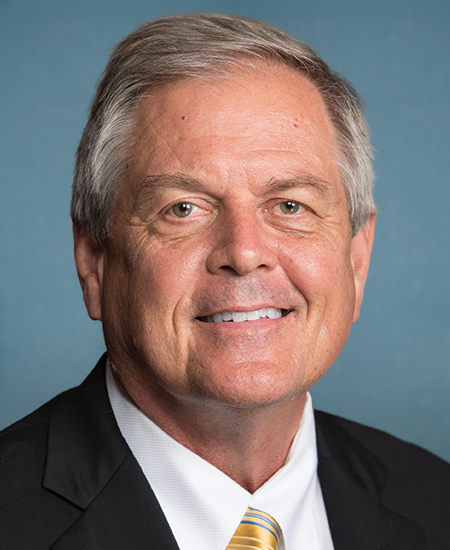
Rep. Ralph Norman
Sponsored bills
Maddy summaryThis bill, titled the Permanent Trump Secure Border Act, aims to strengthen border security and reform immigration enforcement by directing the Department of Homeland Security to resume and complete the construction of a physical border wall, expand the use of surveillance technology, and increase staffing levels for Border Patrol agents. It also imposes stricter rules on asylum eligibility and employment authorization for applicants, mandates the reopening of specific immigration detention facilities, and requires the return of individuals arriving from contiguous foreign countries to those nations while their claims are processed. Additionally, the legislation expands penalties for visa overstays, limits the use of certain digital tools like the CBP One app, and includes provisions to reduce funding for organizations that facilitate illegal entry or provide services to inadmissible aliens.
Maddy summaryThis bill prohibits federal funding under the Elementary and Secondary Education Act for any program, activity, literature, or material provided to children under 18 that includes "sexually oriented material," defined as depictions of explicit conduct or content involving gender dysphoria or transgenderism. It exempts standard science courses (like biology and anatomy), religious texts, and specific "classic" works of literature and art listed in designated references (e.g., *Great Books of the Western World* and Smarthistory guides). The law directly affects federally funded K-12 educational programs, restricting how school districts can use federal dollars for curriculum materials. It does not ban teaching about human anatomy, art history, or literature, as those are explicitly excluded from the definition of prohibited material.
Maddy summaryThis bill, titled the Ban Abortion by Mail Act, aims to restrict how abortion medications like mifepristone are prescribed by requiring an in-person visit between the patient and the doctor. It directly affects health care providers who are currently certified by the FDA to dispense these drugs, threatening their certification status if they prescribe them without a physical examination or to patients living in states where the provider lacks a medical license. The legislation mandates that the FDA report annually to Congress on any providers who lose this certification due to violations or unsafe prescribing practices. By enforcing these specific conditions, the bill seeks to ensure that all prescriptions for abortion drugs are administered under strict supervision and within the legal boundaries of the patient's state.
Maddy summaryThe Worst of the Worst Act requires the Department of Homeland Security to create a public database within 180 days of enactment. This database will list released criminal aliens who are subject to mandatory detention, including their photos, names, physical descriptions, release dates, and locations. The system will allow the public to search for individuals by name or release jurisdiction to track their whereabouts.
Repealing Big Brother Overreach Act This bill repeals the Corporate Transparency Act. The act requires existing companies and newly created companies to report beneficial ownership information to the Department of the Treasury’s Financial Crimes Enforcement Network for purposes of addressing the financing of terrorism and money laundering.
Maddy summaryThis bill, known as the Stopping Harmful and Outrageous Torts Act, expands legal protections for firearm manufacturers and sellers by strengthening their immunity from civil lawsuits. It requires courts to immediately dismiss any pending cases against these companies that are based on the criminal or unlawful misuse of a gun by a third party, while also clarifying that sellers are not liable for negligence in entrusting products to others. The legislation further restricts who can file such suits by prohibiting foreign governments from bringing these claims and adding a specific exception for victims under the age of 17, though it maintains immunity for cases involving design or manufacturing defects. Additionally, the bill allows companies to move these cases to federal court and grants them the right to appeal dismissal orders immediately, along with the ability to recover legal fees if they win. Finally, it preempts state and local laws that attempt to impose liability on these entities for the same types of misuse-related harms.
Maddy summaryThis bill, known as the Preventing International Surrogacy Exploitation Act, aims to stop foreign nationals from using U.S. surrogate mothers for commercial surrogacy arrangements. It would make any surrogacy contract void and unenforceable if the intended parents are foreign citizens or permanent residents, with a specific exception for married couples where at least one partner is a U.S. citizen or resident. Additionally, the law prohibits surrogacy brokers from facilitating these agreements and imposes criminal penalties, including fines and up to 10 years in prison, for those who knowingly or recklessly assist in such contracts. Children born through these invalid agreements would have their custody determined by the state where the surrogate lives, focusing on the child's best interests rather than the contract. Finally, the bill prevents foreign parents from using their U.S.-born children to gain immigration benefits or rights under U.S. immigration laws.
Maddy summaryThe Protecting Kids from Creeps Act prohibits surrogacy agencies, their employees, and sex offenders from participating in surrogacy agreements, directly affecting fertility clinics, staff, and individuals required to register as sex offenders. The bill mandates severe criminal penalties, including fines and prison sentences of at least 10 to 20 years, for knowingly or recklessly facilitating such agreements, while also stripping convicted agencies of their tax-exempt status and eligibility for federal grants. Any surrogacy agreement formed in violation of these rules is declared legally void and unenforceable, meaning it cannot be used to establish parental rights. In cases where a child is born from an illegal agreement, custody decisions will be made solely based on the best interests of the child under the laws of the state where the surrogate lives, ignoring any prior contracts. Additionally, the Attorney General can pursue civil penalties equal to the compensation received or offered for prohibited conduct.
Maddy summaryHR 4463 amends the 1993 Catawba Indian Tribe settlement law to remove specific requirements for future tribal membership. Currently, the law requires new members to be direct lineal descendants of the original tribal roll and maintain ongoing political ties with the tribe. This bill deletes those restrictions, allowing the Catawba Tribe of South Carolina to establish its own membership criteria without those constraints. The change directly affects the tribe’s authority to define who qualifies for enrollment under the settlement agreement.