

Maddy summaryThis bill reauthorizes federal funding for diabetes programs targeting Type 1 diabetes. It extends annual funding of $160 million for fiscal years 2026 through 2030, continuing existing support for research, treatment, and prevention initiatives. The funds remain available until expended, directly supporting programs serving people with Type 1 diabetes and the organizations delivering these services. The bill makes no changes to program eligibility or structure, only extending current funding levels.
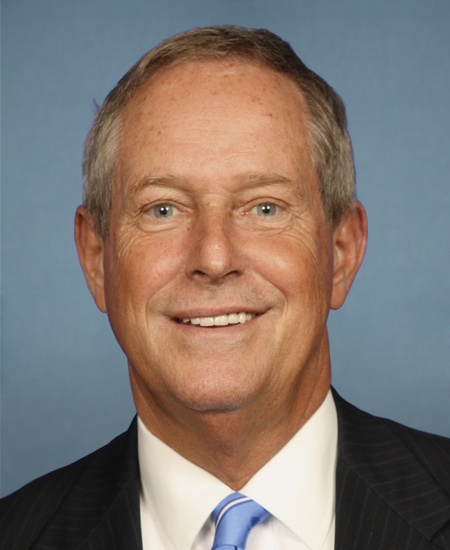
Rep. Joe Wilson
Sponsored bills
Maddy summaryHR 5125, the District of Columbia Judicial Nominations Reform Act of 2025, eliminates the District of Columbia Judicial Nominating Commission and shifts the judge appointment process directly to the President. The bill removes all references to the commission from the District's Home Rule Act, requiring the President to nominate judges without needing recommendations from the commission. This change applies to all future judicial appointments made on or after the bill's enactment date. The reform directly affects how judges are selected for the District of Columbia courts.
Maddy summaryThis bill amends Washington, D.C.'s policing law to change rules for police vehicle pursuits. It removes previous restrictions on pursuits and requires officers to only pursue a suspect if they reasonably believe it won't create unacceptable risk to others or be futile, or if another method would be more effective. The bill also mandates a Department of Justice report within three years evaluating technology like PursuitAlert that alerts the public during police pursuits. These changes directly affect D.C. police officers making real-time decisions during vehicle chases. The law updates existing policy without altering other policing standards.
Maddy summaryThis bill lowers the age at which minors in Washington, D.C. can be tried as adults for certain crimes from 16 to 14 years old. It amends two key sections of D.C. law: changing the age for exclusion from juvenile court jurisdiction (from 16 to 14) and lowering the age for transfer to criminal court (from 15-18 to 14 across multiple scenarios). The policy directly affects minors aged 14 or older who commit specified serious offenses in D.C., removing them from the juvenile justice system. The changes apply to offenses committed on or after the bill's effective date.
Maddy summaryHR 4922, the DC Criminal Reforms to Immediately Make Everyone Safe Act of 2025 (DC CRIMES Act), modifies youth offender definitions and creates public transparency measures. It limits "youth offender" status to individuals 18 or younger (previously 24), removing provisions for 18-24 year olds in sentencing and facility planning. The bill requires the DC Attorney General to establish a public website publishing monthly juvenile crime statistics, including arrest data by age, race, sex, crime type, recidivism rates, and sentencing outcomes - without personally identifiable information. It also prohibits the DC Council from changing existing criminal sentencing laws. These provisions directly affect youth offenders aged 15-18 and DC government operations related to juvenile justice data.
Maddy summaryHRES 723 is a ceremonial resolution recognizing the 180th anniversary of the United States Naval Academy, established on October 10, 2025. It formally commemorates the Academy's founding, historical contributions, and legacy of producing naval and marine leadership. The resolution highlights the Academy's role in educating graduates who have served in major conflicts, earned military honors, and held significant national leadership positions. As a symbolic gesture with no policy changes or direct impact on constituents, it serves solely to honor the institution's history and ongoing mission.
Maddy summaryHR 5401, the Pay Our Troops Act of 2026, ensures military personnel, civilian Defense workers, and supporting contractors receive pay during government funding gaps in fiscal year 2026. It appropriates emergency funds for active-duty service members, reserves, and their supporting personnel (including Coast Guard staff under DHS) if regular appropriations aren't enacted by the end of the fiscal year. The bill provides necessary pay and allowances during any period when full-year funding is unavailable, covering both active service and support roles. Funding expires when regular appropriations are passed, a funding resolution is enacted, or January 1, 2027, whichever comes first. This is a procedural measure to prevent pay delays for military and support staff during fiscal year 2026 funding lapses.
Maddy summaryHR 1107, the *Protecting Veteran Access to Telemedicine Services Act of 2025*, allows Department of Veterans Affairs (VA) health professionals to prescribe and dispense medications regulated under federal law (like opioids or stimulants) via telemedicine without requiring an in-person medical exam first. This directly affects veterans receiving VA care and VA-employed health professionals who provide telemedicine services. The bill requires providers to hold a valid state license, act within their professional scope, and ensure prescriptions serve a legitimate medical purpose. It does not change existing federal drug laws but streamlines access to controlled medications for veterans through telehealth, particularly benefiting those in rural or remote areas.
Maddy summaryThis bill (HCONRES 48) is a ceremonial resolution authorizing the use of the U.S. Capitol rotunda for a "lying in honor" ceremony for Charles James Kirk, a recognized advocate for free speech, civil discourse, and youth political engagement. It grants permission for his remains to be displayed in the rotunda, with timing and duration to be determined by the House Speaker, Senate President pro tempore, and the Capitol Architect. The resolution does not create new laws or policies but formally permits a traditional honor reserved for individuals who have made significant contributions to the nation. It affects no specific group or legislation, serving only as a commemorative gesture for Kirk's legacy.
Maddy summaryHR 5364, the STOP FRAUD in Medicaid Act, expands state Medicaid fraud control units' authority to investigate and prosecute fraud committed by Medicaid beneficiaries (people receiving benefits), not just healthcare providers. It amends federal law to explicitly include "individuals applying for or receiving" Medicaid services in fraud investigations, requiring states to cover both provider and beneficiary fraud. The bill directs states to investigate false applications or misuse of benefits, such as lying about income to qualify or using benefits for unauthorized services. These changes take effect 180 days after the bill becomes law, applying to all Medicaid programs nationwide. The law focuses on clarifying investigative scope without creating new penalties or funding.