

Maddy summaryHR 1613, the Drug Price Transparency in Medicaid Act of 2023, requires Medicaid programs to mandate pass-through pricing for covered outpatient drugs. This means pharmacy benefit managers (PBMs) and managed care entities must pay pharmacies directly for the drug's ingredient cost plus a fixed dispensing fee, eliminating "spread pricing" where PBMs keep profits from the difference between what they pay pharmacies and what Medicaid reimburses. The bill also establishes a national survey of retail pharmacy drug prices to determine average acquisition costs, requiring participating pharmacies to report pricing data to states. These changes apply to Medicaid contracts entered into or renewed 18 months after the bill's enactment, affecting states, PBMs, managed care organizations, and community pharmacies.
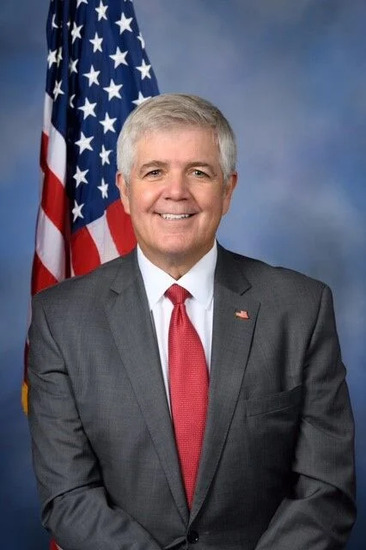
Rep. Cliff Bentz
Sponsored bills
Maddy summaryHR 1141, the Natural Gas Tax Repeal Act, repeals a specific provision (Section 136) of the Clean Air Act that established an incentive program for reducing methane emissions and waste in natural gas systems. This bill directly affects natural gas producers and operators who previously participated in or were subject to the methane emissions reduction program. The key mechanism is the removal of this incentive program, eliminating federal requirements and financial incentives related to methane waste reduction for the natural gas industry. The bill also rescinds unobligated funds allocated for this program. This is a policy change removing a regulatory incentive, not a tax repeal.
Department of Veterans Affairs Telehealth Strategy Ac t This bill requires the Department of Veterans Affairs (VA) to submit a strategy to Congress for the telehealth services furnished by the Veterans Health Administration. Additionally, the VA must report on the utilization of end-user devices provided to veterans by the VA to facilitate telehealth during FY2023 and FY2024.
Maddy summaryThe Dental and Optometric Care Access Act of 2023 (DOC Access Act) requires health insurance plans covering dental and vision care to allow providers (like dentists and optometrists) to charge patients the usual and customary rate for uncovered services, with a specific rule limiting dental cleanings to the network fee even if it exceeds annual coverage limits. It prohibits plans from restricting providers' choices of laboratories or suppliers for patient care. This law directly affects dental and vision care providers and the health insurance plans that offer these services. The bill establishes concrete billing and coverage standards to improve access to necessary dental and vision care.
Maddy summaryThe POWER Act of 2023 prevents the President from blocking or delaying new oil, gas, coal, or mineral leases on federal lands without explicit Congressional approval. It specifically stops executive actions that would delay or cancel permits for energy development on National Forests, public lands, the outer continental shelf, or energy-managed lands. The bill requires Congress to pass new laws if it wants to restrict energy leasing or withdraw land from development under existing federal land laws. This directly affects energy companies seeking to develop resources on federal property by limiting executive authority over lease approvals.
Maddy summaryThis bill expands the use of 529 college savings accounts to cover career training and credentialing costs. It allows funds to pay for tuition, fees, books, and testing expenses related to recognized postsecondary credential programs (like vocational certifications) that meet specific standards under the Workforce Innovation and Opportunity Act. The change directly affects workers seeking industry-recognized credentials - such as nursing certifications or IT certifications - instead of traditional degrees. It treats these expenses the same as traditional college costs for 529 account withdrawals, making it easier to save for career-focused training. The provision applies to expenses paid after the bill's enactment date.
No Retaining Every Gun In a System That Restricts Your Rights Act This bill modifies the retention requirements for firearm transaction records of federal firearms licensees (FFLs) that go out of business. Current law generally requires FFLs that go out of business to deliver their firearm transaction records to the Bureau of Alcohol, Tobacco, Firearms and Explosives (ATF). This bill removes the requirement for FFLs that go out of business to deliver their firearm transaction records to the ATF. Further, the bill requires the ATF to destroy all out-of-business records it has collected from FFLs.
Maddy summaryThe Permitting for Mining Needs Act of 2023 streamlines federal permitting for mining projects on public lands by establishing specific time limits for environmental reviews (12 months for assessments, 24 months for impact statements) and allowing lead agencies to adopt applicant-prepared environmental documents that meet National Environmental Policy Act requirements. It enables mineral exploration with limited surface disturbance (up to 5 acres) to proceed without full environmental review, and creates mechanisms for coordination between agencies and project applicants through memorandums of agreement. The bill applies to all minerals, not just "critical" minerals, and ensures uranium is treated as a critical mineral for certain purposes. The legislation aims to expedite domestic mineral development while maintaining environmental review standards.
Maddy summaryHR 1200, the National Right-to-Work Act, prohibits requiring workers to join a union or pay dues as a condition of employment in both private-sector workplaces (covered by the National Labor Relations Act) and railroad industries (covered by the Railway Labor Act). The bill amends key sections of these laws to eliminate provisions that allowed union security agreements, meaning workers in unionized settings would no longer be forced to pay dues to retain their jobs. This directly affects employees in unionized workplaces across the U.S., particularly those in industries with existing union contracts that included mandatory dues. The law changes the legal framework to ensure union membership and dues payment remain voluntary for all workers.
Maddy summaryHR 726, the Veterans for Mustangs Act, amends the Wild Free-Roaming Horses and Burros Act to require the Secretary of the Interior to prioritize recruiting military veterans for training in on-range fertility control methods for wild horse and burro populations. The bill mandates that veterans complete a certification program (like the PZP applicator course) and receive appropriate compensation, with the Bureau of Land Management allowed to contract these veterans for management activities without classifying them as federal employees. This directly affects military veterans seeking employment opportunities and the Bureau of Land Management’s approach to managing wild horse populations. The key change is embedding veteran recruitment into the standard process for implementing fertility controls, replacing previous management language with specific veteran-focused provisions.