

Maddy summaryThe Freedom from Unfair Gun Taxes Act of 2025 would prohibit states and local governments from imposing taxes on the sale of firearms, ammunition, or firearm parts during interstate or foreign commerce. This bill directly affects state tax policies and manufacturers or dealers selling these items across state lines. It explicitly states that the bill does not change the existing federal tax on firearms and ammunition that funds wildlife conservation programs. The key provision bans state-level taxes for these sales in interstate transactions while preserving current federal funding mechanisms.
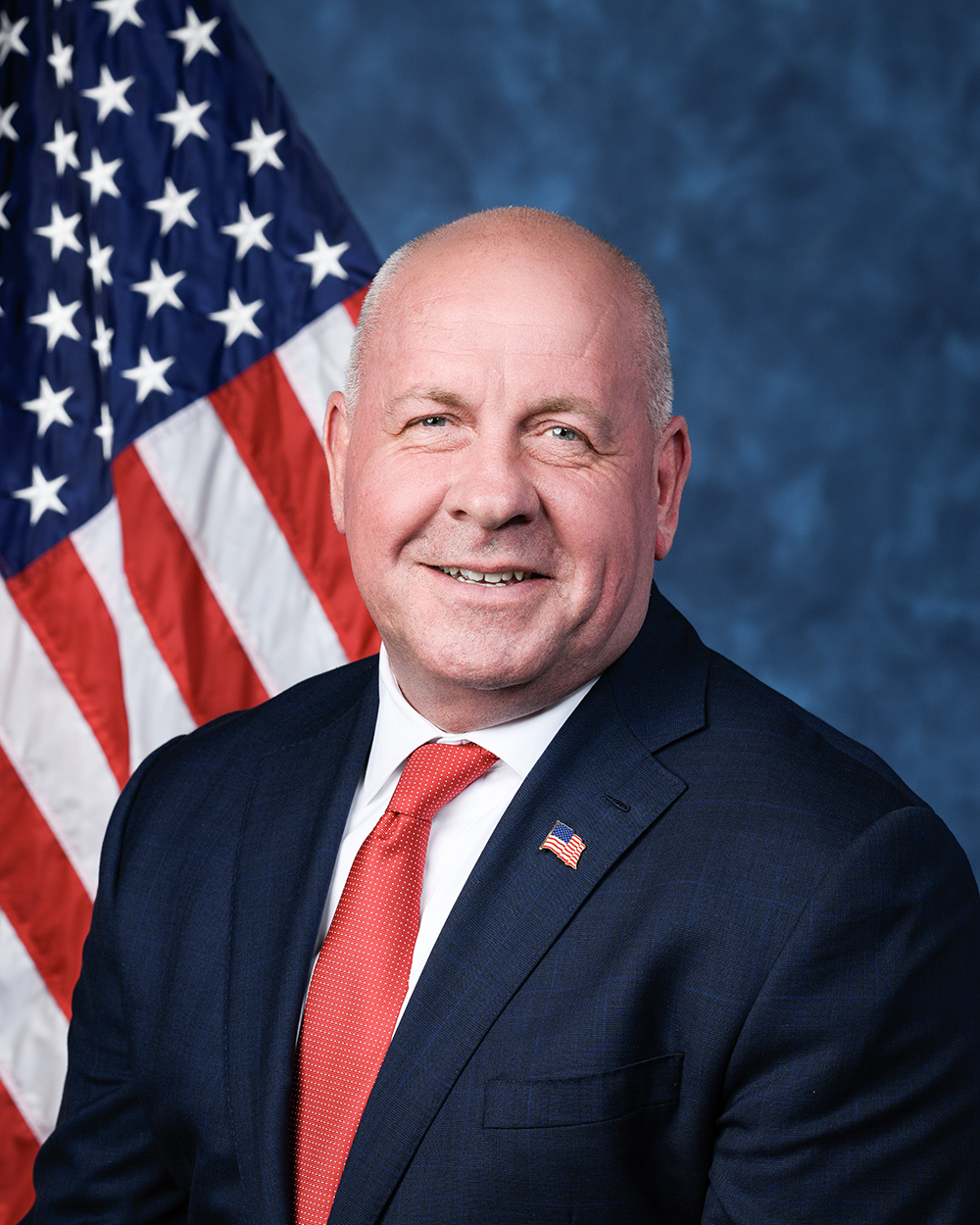
Rep. David J. Taylor
Sponsored bills
Maddy summaryHRES 227 is a non-binding resolution expressing the House of Representatives' support for designating March 18, 2025, as "National Agriculture Day" to honor agriculture's role as a vital U.S. industry. It does not create new laws, allocate funds, or impose requirements on any group. The resolution serves as a symbolic gesture to highlight agriculture's economic impact and contributions to the nation. As a procedural resolution, it has no direct policy effect beyond raising awareness.
Maddy summaryHR 2202 prohibits federal funds from being used for gender transition procedures or health plans covering them in federal programs like Medicaid and the Affordable Care Act. It does not ban these procedures but restricts federal subsidies, requiring individuals to pay for such coverage using non-federal funds (e.g., out-of-pocket or private insurance not tied to federal programs). The bill defines gender transition procedures broadly to include hormonal treatments and surgeries (e.g., mastectomy, hysterectomy), with exceptions for medically necessary treatments related to disorders of sex development or complications from such procedures. It also clarifies that ACA premium tax credits and cost-sharing reductions cannot apply to plans covering these procedures, though separate non-federal-funded coverage remains an option.
Maddy summaryHR 2083, the Veterans First Act of 2025, redirects $2 billion from unobligated USAID funds to the Department of Veterans Affairs. This funding provides grants to states for constructing, remodeling, or modifying state-run nursing homes and domiciliary facilities that care for veterans. The bill directly affects veterans receiving care in these state facilities and the states operating them. Key provisions include permanently rescinding $2 billion from USAID and appropriating it specifically for physical infrastructure improvements at veteran care facilities under federal authorization.
Maddy summaryThe BITCOIN Act of 2025 directs the U.S. Treasury to establish a "Strategic Bitcoin Reserve" for securely storing government-held Bitcoin. It mandates purchasing 1,000,000 Bitcoins over five years (200,000 annually), requiring all acquired Bitcoin - including through federal agency transfers or forfeitures - to be held in this reserve for a minimum of 20 years without sale. The bill also requires the Treasury to manage digital assets from Bitcoin forks or airdrops for five years before potentially selling non-dominant assets, while implementing strict security protocols and quarterly public transparency reports. Funding for the purchase program will come from Federal Reserve remittances and gold certificate adjustments, with no impact on private citizens' Bitcoin ownership rights under Section 10.
Maddy summaryThis bill restores pension benefits for retirees affected by the termination of specific Delphi pension plans. It requires the Pension Benefit Guaranty Corporation (PBGC) to recalculate monthly benefits to the "full vested plan benefit" (the amount retirees would have received without prior reductions) and pay lump-sum payments for past underpayments, including 6% annual interest. The law applies to retirees of six Delphi pension plans, including the Delphi Hourly-Rate Employees Pension Plan and Delphi Retirement Program for Salaried Employees, who are currently receiving benefits or eligible for future payments. Payments will be funded from existing PBGC resources without changing prior asset allocations.
Maddy summaryHJRES 66 is a congressional resolution seeking to reject an Environmental Protection Agency (EPA) rule related to Ohio's air quality program. Specifically, it targets the EPA's approval of Ohio's withdrawal of a technical amendment to its air plan, as published in the Federal Register on January 21, 2025. If passed, the resolution would block the EPA rule from taking effect under a specific federal procedure for congressional disapproval. This action directly affects Ohio's implementation of air quality regulations by preventing the EPA from formally approving the state's technical amendment change. The resolution does not create new policy but aims to halt a specific administrative action.
Maddy summaryHRES 153 is a ceremonial resolution expressing condolences to the families and loved ones of the 67 victims who died in two aviation incidents: American Eagle Flight 5342 and U.S. Army flight PAT 25, which crashed near Washington, D.C.'s Reagan National Airport on January 29, 2025. It specifically honors the victims - many connected to Wichita, Kansas (known as the "Air Capital of the World") - and extends sympathies to affected communities including Wichita, Kansas, and the National Capital Region. The resolution also commends first responders who aided in the recovery efforts. As a non-binding expression of sympathy with no policy changes, it does not affect laws or regulations.
Federal Firearms Licensee Protection Act of 2025 This bill modifies criminal penalties for an offense involving the theft of a firearm from a licensed importer, manufacturer, or dealer, or from their business premises. Specifically, the bill does the following: increases from 10 to 20 years the maximum prison term, and creates a 3- or 5-year mandatory minimum prison term for an offense that occurs during the commission of a burglary or robbery. An attempt to commit an offense is subject to the same penalties as a substantive offense.
Maddy summaryHR 620, the FARM Act, expands the Committee on Foreign Investment in the United States (CFIUS) to review foreign investments in U.S. agriculture. It requires CFIUS to assess transactions where foreign entities gain control of U.S. agricultural businesses (including those using agricultural products defined under 7 U.S.C. 451) and adds agricultural supply chains to the list of critical infrastructure and critical technologies. The bill mandates annual reports from the Secretary of Agriculture and the Comptroller General to Congress, detailing foreign investments in U.S. agriculture, potential threats to supply chains, and espionage risks targeting agricultural research or data. This directly affects foreign investors seeking to acquire U.S. agricultural assets and reshapes CFIUS review processes for the sector.