

Maddy summaryHR 649, the Whole Milk for Healthy Kids Act of 2025, amends the National School Lunch Act to allow schools participating in the program to offer students both organic and non-organic whole milk, in addition to reduced-fat, low-fat, and fat-free options. Key provisions include clarifying that milk fat in whole milk should not count toward saturated fat limits for meal compliance, prohibiting schools from purchasing milk from Chinese state-owned enterprises, and ensuring schools cannot be barred from offering the full range of milk types listed. The bill directly affects public and private schools serving the National School Lunch Program by expanding their milk options for students. It focuses on concrete policy changes to dietary offerings and sourcing restrictions within the school nutrition program.
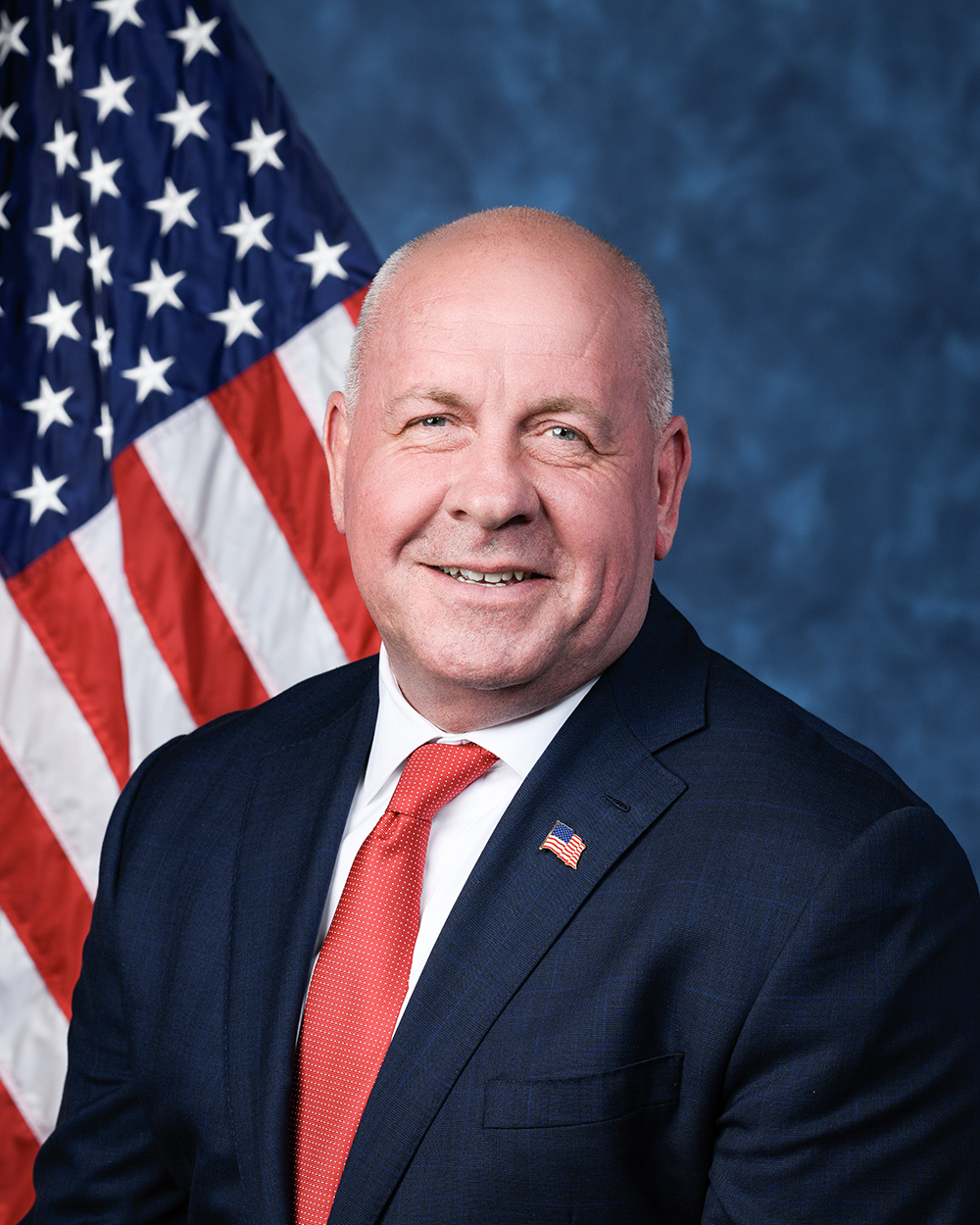
Rep. David J. Taylor
Sponsored bills
Maddy summaryHRES 472 is a symbolic House resolution condemning an antisemitic terrorist attack in Boulder, Colorado, on June 1, 2025, which targeted Jewish individuals. The resolution explicitly condemns the attack - where the perpetrator used Molotov cocktails against victims aged 52-88, including a Holocaust survivor - and calls for prosecuting the perpetrator. It also expresses concern about rising antisemitism on campuses and online, while urging Congress to secure borders and deport visa overstayers (though this is a symbolic call, not a new law). The resolution directly affects the Boulder Jewish community and victims of the attack, with no new policy changes enacted.
Maddy summaryThis bill would reform immigration parole by requiring the Secretary of Homeland Security to grant temporary entry only on a case-by-case basis for urgent humanitarian needs or significant public benefit, reversing what the bill describes as systemic overuse. It imposes a strict annual cap of 3,000 paroles starting in fiscal year 2029, restricts parole for nationals of designated "countries of concern" without a State Department waiver, and allows states to sue if they claim financial harm exceeding $100 from parole decisions. The bill directly affects immigrants seeking temporary entry and DHS officials administering the program. Key mechanisms include the new cap, country restrictions, and state lawsuit provisions to enforce compliance.
Maddy summaryHR 3608, "Connor’s Law," requires commercial motor vehicle operators (like truck and bus drivers) to read and speak English well enough to converse with the public, understand English traffic signs, respond to officials, and complete reports. The bill adds this language requirement to existing federal safety rules for commercial drivers. Drivers found noncompliant with this rule would face an "out of service" order, meaning they cannot operate their vehicle until they meet the requirement. This directly affects commercial drivers operating in the U.S. under federal safety regulations.
Maddy summaryHRES 447 is a non-binding House resolution condemning antisemitism and honoring Yaron Lischinsky and Sarah Milgrim, two Israeli Embassy employees killed during a peace-focused panel discussion in 2023. The resolution specifically condemns all forms of antisemitism - including violence, vandalism, and online harassment - and remembers the victims, who were killed by a far-left activist affiliated with the Party for Socialism and Liberation. It calls for enforcing existing hate crime laws and protecting religious freedom, without creating new legislation. This resolution symbolically supports Jewish communities and victims of antisemitic violence but does not alter legal requirements.
Maddy summaryHR 3570, the USA CAR Act, would create a new tax deduction for interest paid on auto loans for vehicles assembled in the U.S. It directly affects individual taxpayers who finance qualifying vehicles after January 1, 2025. The bill adds a new "qualified automobile interest" category to the tax code, allowing taxpayers to deduct interest on loans used to buy cars made by manufacturers with final assembly occurring in the United States. This deduction applies only to loans taken out on or after the bill's enactment date for vehicles meeting specific U.S. assembly requirements.
Maddy summaryHR 3270, the Air Traffic Control Workforce Development Act of 2025, aims to strengthen the pipeline of air traffic controllers by improving training programs and retention. It provides $20 million annually (2026-2031) for colleges to develop specialized curricula and equipment through the Enhanced-Collegiate Training Initiative program, allowing graduates to be hired noncompetitively as controllers. The bill also establishes a committee to modernize training curricula and the Air Traffic Skills Assessment exam, while creating retention bonuses for certified controllers and mental health training for medical examiners. These changes directly affect colleges offering air traffic control programs, prospective controllers, and current FAA air traffic controllers.
Maddy summaryHR 3313, the Protecting American Farmland Act, prohibits federal agencies from using taxpayer funds to support solar energy projects that convert prime farmland. It also excludes solar installations on prime farmland from multiple federal tax credits, including the residential clean energy credit, production tax credits, and investment tax credits. The bill defines "prime farmland" using existing standards from the Farmland Protection Policy Act, directly affecting solar developers seeking federal funding or tax incentives for projects on such land. These provisions aim to prevent agricultural land conversion for solar energy development by restricting financial incentives.
Maddy summaryHR 3228, the Constitutional Hearing Protection Act, reclassifies firearm silencers as firearms under federal tax law and eliminates their separate registration under the National Firearms Act. It requires the Attorney General to destroy all existing federal silencer registration records within one year and preempts state laws that impose taxes, registration, or recordkeeping requirements on silencers. The bill defines "firearm silencer" and specifies that manufacturers must mark silencers on a "keystone part" with a serial number. This directly affects silencer owners, manufacturers, and state governments by standardizing federal regulation and removing state-level restrictions.
Maddy summaryHR 976, the "1071 Repeal to Protect Small Business Lending Act," would repeal data collection and reporting requirements for small business loans under Section 704B of the Equal Credit Opportunity Act. This specifically removes the mandate for financial institutions - especially community banks and credit unions - to track and submit loan data by business characteristics like race or gender. The bill aims to reduce compliance costs for lenders, which its findings argue limit small business access to credit. The repeal would eliminate these reporting obligations and remove references to the requirement from related federal laws.