

This bill designates the facility of the United States Postal Service located at 15422 NY 104 in Martville, New York, as the "Sergeant Staret J. Ingleston Memorial Post Office Building".
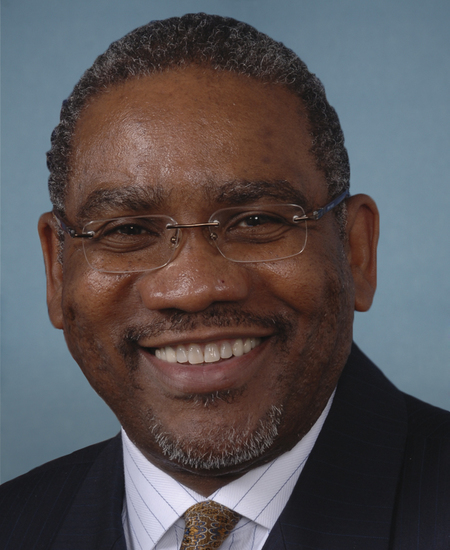
Rep. Gregory W. Meeks
Sponsored bills
Maddy summaryThe IMPACT to Save Moms Act directs the Centers for Medicare & Medicaid Services to run a five-year demonstration project from 2027 to 2031, allowing states to test new payment models for maternity care under Medicaid and state child health plans. This initiative aims to improve health outcomes for pregnant and postpartum individuals, with a specific focus on reducing disparities among groups that experience higher rates of maternal mortality and severe complications. To achieve these goals, the project requires states to consider alternative payment structures that account for pregnancy risk levels, include diverse care teams with training on bias, and address social factors affecting health. The bill also mandates that the federal government evaluate the project's impact on health outcomes and spending, and submit a final report to Congress with recommendations on whether to expand the program nationwide.
Maddy summaryThis bill establishes a five-year pilot program to help homeowners convert their property basements into safe, rentable living units. The Department of Housing and Urban Development will insure up to 150,000 mortgages specifically designed to fund these necessary improvements. To ensure safety, the program requires that converted spaces meet all local building codes and will prioritize projects in areas prone to natural hazards after consulting with federal emergency management agencies. At the end of the five-year period, the Department must submit a report to Congress detailing the program's results and offering recommendations on whether to continue or change it.
Maddy summaryThis non-binding resolution expresses the House of Representatives' view that the FDA should regulate mifepristone, a medication used for abortion, based on scientific evidence rather than political pressure. It highlights over 25 years of data showing the drug is safe and effective when prescribed via telemedicine or dispensed by mail and pharmacy. The bill advocates for policies that ensure equitable access to this care, particularly for marginalized communities facing barriers due to state-level restrictions. By citing numerous studies and medical organizations, the resolution calls for transparent, science-based decisions to maintain current access methods.
Maddy summaryThe Maternal Health Pandemic Response Act allocates $200 million to the Centers for Disease Control and Prevention to improve data collection, surveillance, and research on how public health emergencies affect pregnant and postpartum individuals. This funding supports efforts to gather detailed demographic information on maternal health outcomes, establish regional centers of excellence, and expand surveys to better reach underrepresented communities. The legislation also requires the CDC to make this data publicly available in a disaggregated format while protecting patient privacy, and mandates public education campaigns to ensure accurate information reaches families and healthcare providers. Additionally, the bill creates a diverse task force to develop federal recommendations for respectful maternity care during emergencies, addressing issues such as telehealth access, doula coverage, and the treatment of mental health and substance use disorders. These measures aim to reduce health disparities and improve care quality for pregnant people from racial and ethnic minority groups during public health crises.
Maddy summaryThis bill designates the U.S. Chancery building in Pristina, Kosovo, as the "Eliot L. Engel Building" to honor a specific individual. It requires all future legal documents, maps, and official records to use this new name instead of the current designation. The change is purely symbolic and does not alter the building's function or the operations of the U.S. government in Kosovo.
Maddy summaryThis House resolution condemns the ongoing civil war in Sudan and calls for an end to external support provided to the warring parties, the Sudanese Armed Forces and the Rapid Support Forces. It urges the Trump Administration to stop supplying weapons or other assistance to these groups and to negotiate a peaceful settlement that restores democratic governance. The bill also highlights the severe humanitarian crisis affecting millions of people and demands that aid workers be granted safe, unrestricted access to deliver essential supplies. Additionally, it calls on the international community to support post-conflict reconstruction and establish a justice mechanism to hold perpetrators of war crimes accountable.
Maddy summaryHRES 64 is a non-binding House resolution affirming the U.S.-South Korea alliance. It highlights historical ties (dating to 1882), economic partnerships (including 2023 trade data), and security cooperation (like the 1953 Mutual Defense Treaty), while celebrating Korean American contributions to U.S. society. The resolution formally supports strengthening security, economic, and cultural ties between the two nations and notes the 2025 anniversary of Korean liberation. It does not create new laws or funding, but serves as a symbolic statement of congressional support for the alliance.
Maddy summaryThis bill prohibits the U.S. government from spending money on military actions against Iran between its enactment and December 31, 2026, unless Congress explicitly approves the use of force. It allows for military action only if Congress declares war, passes a specific authorization, or if the action is necessary to defend the United States or its allies from an imminent attack while following reporting requirements. The law directly restricts the President's ability to deploy troops without legislative approval during the specified timeframe.
Maddy summaryThis bill proposes to reject a specific rule from the Bureau of Consumer Financial Protection that would have allowed banks to reopen deposit accounts for customers who previously closed them. If approved, the measure would cancel the agency's authority to implement this policy change, effectively keeping the previous regulations in place. The legislation directly impacts financial institutions and consumers by preventing the reopening of closed accounts under the new guidelines. It uses a standard congressional disapproval process to nullify the rule without adding new requirements or altering existing banking laws.