

Maddy summaryThis resolution expresses support for National Fentanyl Awareness Day in 2026 and highlights the dangers of counterfeit pills that look like legitimate prescription medications. It notes that these fake pills often contain lethal doses of fentanyl and have been found in all 50 states, posing a significant risk to families and young people. The document also acknowledges the efforts of law enforcement agencies in seizing millions of these dangerous pills and encourages continued prevention efforts.
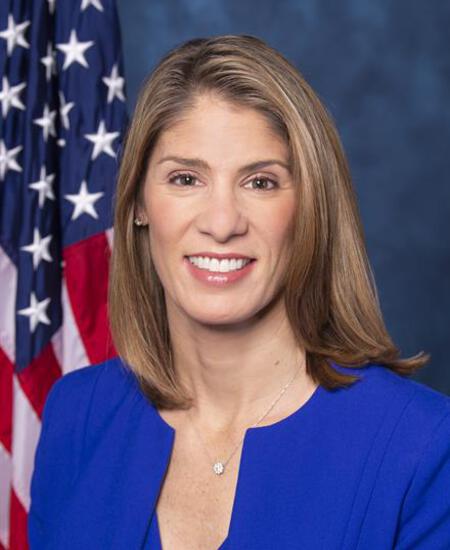
Rep. Lori Trahan
Sponsored bills
Maddy summaryThis bill, titled the Protecting Human Rights and Public Health in Foreign Assistance Act, aims to cancel specific regulations issued by the Department of State. It directly affects the federal government by prohibiting any department or agency from enforcing, implementing, or proposing rules related to protecting life, combating discriminatory equity ideology, and combating gender ideology in foreign aid programs. The legislation treats these cancelled rules as if they never existed, effectively nullifying their impact on future foreign assistance policies.
Maddy summaryThis resolution designates April as "Community College Month" to recognize the significance of community colleges across the United States. It celebrates over 1,000 institutions for their role in providing accessible higher education and workforce training, and for contributing to the nation's economic prosperity.
Maddy summaryThe Momnibus Act is a comprehensive legislative bill designed to improve maternal health outcomes across the United States by addressing social determinants of health, expanding access to care, and reducing disparities among pregnant and postpartum individuals. The bill establishes a federal task force to coordinate efforts between agencies and stakeholders to eliminate preventable maternal mortality and severe morbidity, while providing sustained funding to community-based organizations to address nonclinical factors like housing, nutrition, and transportation. Key provisions include extending WIC eligibility to 24 months postpartum, creating grants to grow and diversify the perinatal workforce, implementing respectful maternity care training for all healthcare employees, and establishing compliance programs to track and address bias in maternity care settings. The legislation also includes specific measures for incarcerated mothers, veterans, and vulnerable populations affected by climate change, alongside funding for maternal mental health services and technology-enabled care models to expand access in underserved areas.
Maddy summaryThis resolution formally acknowledges historical and ongoing injustices in women's healthcare, particularly affecting marginalized groups such as Black, Indigenous, immigrant, LGBTQ+, disabled, and low-income women. It highlights specific issues including dismissed pain, lack of bodily autonomy, and past medical abuses like non-consensual sterilization and coercive contraceptive testing. The bill calls for patient-centered care, expanded research, and stronger protections for reproductive and gynecological health, while urging the federal government to address systemic bias in medical settings.
Maddy summaryThis bill directs the Secretary of Health and Human Services to conduct a study on barriers that prevent patients from accessing pain management during gynecologic procedures. The study will examine factors such as insurance coverage, provider training, and resource availability, and will include input from patients, medical professionals, and health equity experts. Within 24 months of enactment, the Secretary must submit a report with findings and recommendations to relevant congressional committees. The bill does not change current laws or funding but establishes a research requirement to inform future policy decisions.
Maddy summaryThis bill would create a federal paid leave program allowing employees to take up to 96 hours of paid time off each year for reproductive health needs, including menstrual care, endometriosis, fertility treatments, and pregnancy-related procedures. It applies to private employers with at least five employees and certain government workers, requiring employers to grant this leave upon request without requiring employees to find replacements during their absence. The legislation prohibits retaliation against employees who use this leave and establishes enforcement mechanisms through the Department of Labor, including civil penalties for violations. Employers with existing paid leave policies that already cover these reproductive health reasons would not need to provide additional leave under this bill.
Maddy summaryThis bill directs the National Institutes of Health to expand research into Premenstrual Dysphoric Disorder, a severe mood and physical condition affecting 5 to 8 percent of women and people assigned female at birth. It requires the agency to collect data on PMDD prevalence, economic impact, and treatment barriers while ensuring diverse populations are included in studies. The legislation also funds public awareness campaigns and grants to train healthcare professionals in diagnosing and treating the condition. Additionally, the bill mandates a report to Congress within two years detailing progress on research, education, and access to care.
Love Lives On Act of 2025 This bill extends entitlement for various benefit programs and services for surviving spouses of deceased members of the Armed Forces or veterans. The bill provides that the remarriage of a surviving spouse must not bar the furnishing of dependency and indemnity compensation or special pension benefits to such spouse. Additionally, the Department of Defense may not terminate the payment of an annuity for a surviving spouse under the Survivor Benefit Plan solely because the surviving spouse remarries. The bill also expands the definition of a dependent under TRICARE to include a remarried widow or widower whose subsequent marriage has ended due to death, divorce, or annulment.
Maddy summaryThe PREDICT Act prohibits federal government officials, including Members of Congress, their spouses and dependents, high-ranking executive branch employees, and political appointees from trading on prediction markets tied to political events. This restriction applies to any agreement or transaction where payment depends on whether a specific political event occurs, does not occur, or happens to a certain degree. If a covered individual violates this rule, they must pay a 10% fee and forfeit any profits from the transaction, with penalties paid from personal funds rather than government salaries or allowances. The Office of Government Ethics will issue guidance on undefined terms and publish details of any fines on a public website.