

Maddy summaryThe Find Our Families Act of 2026 requires the Department of Homeland Security to create a public online system that allows families to locate individuals detained by Customs and Border Protection or Immigration and Customs Enforcement. This system must provide search results within eight hours of detention, display information in multiple languages, and include specific details such as names, dates of birth, and facility locations, while excluding data for minors. The bill also mandates that families be notified within five hours if a detainee is transferred for medical care and establishes new reporting requirements for CBP arrests, including details on the circumstances of the arrest and the number of agents involved. Additionally, the legislation creates a process for families to report errors in detainee information and imposes penalties on employees or contractors who fail to comply with these data-sharing and reporting obligations.
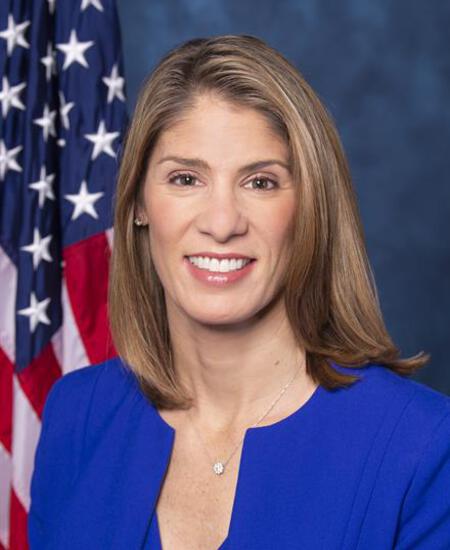
Rep. Lori Trahan
Sponsored bills
Maddy summaryThe LIFT the BAR Act aims to restore access to federal benefits for lawfully present noncitizens by repealing several restrictions imposed by the 1996 welfare reform law and a 2024 reconciliation bill. Specifically, it would allow eligible noncitizens to receive SNAP food assistance, Medicaid, CHIP, and child nutrition programs, while also updating legal terminology to refer to "noncitizens" rather than "aliens" in relevant statutes. The legislation includes provisions to ensure these individuals can qualify for premium tax credits and would require federal agencies to issue implementation guidance within 180 days of enactment.
Maddy summaryThe AI Security and Innovation Act establishes a new Center for AI Security and Innovation within the National Institute of Standards and Technology to assess risks and improve the security of artificial intelligence systems. This center will evaluate threats such as data leaks and model tampering, develop voluntary safety standards, and conduct research on advanced AI capabilities developed by both U.S. and foreign entities. The bill defines key terms like "artificial intelligence model" and "covered frontier system," and authorizes $20 million annually from 2027 to 2032 to fund the center's activities. While the center director will consult with various federal agencies and AI developers, the legislation explicitly prohibits the center from having regulatory or enforcement powers. The center is authorized to operate for five years before its provisions expire.
Maddy summaryThis resolution expresses support for designating June as Portuguese National Heritage Month to honor the contributions of Portuguese Americans to the United States. It highlights the community's historical impact in areas such as maritime industries, agriculture, education, and public service, while also noting their role in strengthening transatlantic relations. The measure urges Americans to observe the month with programs that celebrate Portuguese culture and heritage, particularly around the annual Dia de Portugal celebration on June 10.
Maddy summaryThis bill authorizes the presentation of Congressional Gold Medals to the four crew members of the Artemis II mission to recognize their historic achievement in advancing human space exploration. The legislation directs the Speaker of the House and the President pro tempore of the Senate to arrange for the medals, which will feature the faces of the astronauts and be struck by the Secretary of the Treasury. In addition to the gold medals, the bill permits the minting and sale of duplicate bronze versions to help cover production costs, with any proceeds returned to the United States Mint Public Enterprise Fund.
Maddy summaryThis bill redesignates the existing National Parks and Public Land Legacy Restoration Fund as the America's Legacy Restoration Fund to address deferred maintenance on federal lands. It directs revenue from recreation fees and a portion of energy development income into the fund, which must be used primarily for repairing critical infrastructure like roads, trails, and buildings managed by agencies such as the National Park Service and the Forest Service. The legislation establishes strict rules requiring that most funds go toward non-transportation projects, mandates transparency through public dashboards tracking project status, and sets aside a small percentage for matching private donations. Additionally, the bill increases entrance fees for foreign visitors to ensure they contribute to the fund, while prohibiting the use of these specific funds for land acquisition or employee bonuses.
Maddy summaryThis joint resolution expresses Congress's disapproval of a specific federal rule issued by the Centers for Medicare & Medicaid Services regarding the Affordable Care Act and the Basic Health Program for 2027. If passed, the measure would legally nullify the rule, preventing it from taking effect. The bill directly impacts the administration of healthcare benefits and payment parameters for the upcoming year by rejecting the proposed guidelines.
Maddy summaryThis resolution expresses the sense of the House of Representatives that the United States should recognize and encourage acts of kindness to foster community and build social resilience. It highlights the belief that kindness strengthens families, neighborhoods, and the nation by connecting people across differences and promoting a healthier society. The bill does not create new laws or funding but serves as a symbolic statement affirming the value of everyday compassionate actions.
Maddy summaryThe Protect Local Funding Act prohibits federal agencies from finalizing, implementing, or enforcing a specific proposed rule regarding federal financial assistance scheduled for publication in May 2026. This legislation directly affects the Office of Management and Budget and other federal agencies by legally blocking them from acting on that particular regulation. By preventing the enforcement of this rule, the bill aims to stop a specific administrative action that could impact how federal funds are distributed. The measure does not alter existing funding programs but rather serves as a procedural barrier to a future regulatory change.
Maddy summaryThe FAST Repairs for Wheelchairs Act prohibits Medicare Advantage plans from requiring prior authorization, prescriptions, or medical documentation for repairs to complex rehabilitation wheelchairs and their accessories. This change directly affects individuals who use these devices, allowing them to get necessary maintenance without waiting for plan approval. However, the law still permits plans to review the initial medical necessity of the equipment or approve replacements when the device is lost, damaged, or has been used for five years. By removing these specific barriers for repairs, the bill aims to ensure faster access to essential maintenance services for wheelchair users.