

FEMA Empowering Essential Deliveries Act or the FEED Act This bill authorizes the Federal Emergency Management Agency (FEMA) to approve state, local, and Indian tribal government plans to partner with small and mid-size restaurants and nonprofit organizations to provide nutritious meals to individuals in need. Specifically, during the period following the President's emergency declaration of March 13, 2020, and under any subsequent major disaster declaration that supersedes it, FEMA may approve plans from state, local, and Indian tribal governments that (1) establish contracts with small and mid-sized restaurants and nonprofits, including faith-based organizations and soup kitchens, to prepare healthy meals for people in need; and (2) provide for partnerships with nonprofit organizations to purchase directly from food producers and farmers. FEMA shall waive federal matching requirements under the Robert T. Stafford Disaster Relief and Emergency Assistance Act during such period.
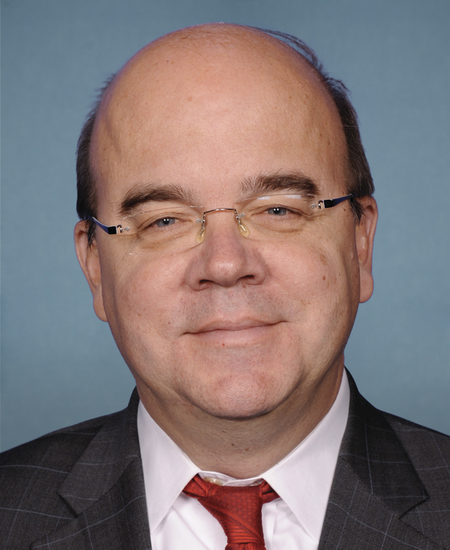
Rep. James P. McGovern
Sponsored bills
Child and Animal Abuse Detection and Reporting Act This bill requires the Children’s Bureau of the Administration for Children and Families to disseminate information through the National Clearinghouse on Child Abuse and Neglect Information about the incidence of cases of child abuse that involve abuse to animals.
Homeownership for DREAMers Act This bill prohibits federal mortgage providers from limiting insurance eligibility on the basis of the mortgagor's participation in the Deferred Action for Childhood Arrivals Program.
Medical Debt Relief Act of 2021 This bill modifies requirements related to the reporting of medical debt. Specifically, a consumer reporting agency is prohibited from adding medical debt information to a consumer credit report if the debt was fully paid or settled, or is less than a year old. Additionally, a debt collector must notify the consumer prior to reporting medical debt to a consumer reporting agency.
This resolution authorizes the Sergeant at Arms of the House of Representatives to impose a fine ($5,000 for a first offense and $10,000 for any subsequent offense) against a Member, Delegate, or the Resident Commissioner for failure to complete security screening for entrance to the House chamber.
CARES Windfall for the Wealthiest Repeal Act This bill restores and makes permanent the limitation on excess businesses losses of noncorporate taxpayers. It also allows taxpayers a carryback of their net operating losses arising in 2019 and 2020.
USPS Fairness Act This bill repeals the requirement that the U.S. Postal Service annually prepay future retirement health benefits.
Coronavirus Unemployment Benefits Tax Relief Act This bill excludes from gross income, for income tax purposes, up to $10,200 of unemployment compensation received by an individual in a taxable year beginning in 2020.
Anti-Racism in Public Health Act of 2021 This bill establishes within the Centers for Disease Control and Prevention (CDC) a National Center on Antiracism and Health and a law enforcement violence prevention program. Among other activities, the new center must declare racism a public health crisis, collect and analyze data, and administer research and grant programs to address racism and its impact on health and well-being. Additionally, the bill specifically directs the CDC's National Center for Injury Prevention and Control, in coordination with the Department of Justice and other relevant stakeholders, to carry out the law enforcement violence prevention program by conducting research and supporting other activities pertaining to law enforcement violence and public health.
Public Health Emergency Privacy Act This bill imposes privacy, confidentiality, and security requirements on the use and disclosure of COVID-19 (i.e., coronavirus disease 2019) emergency health data. This is data that is linked to an individual or device, such as test results. The requirements apply to organizations that collect, use, or disclose emergency health data electronically or that manage websites or applications for contact tracing and other COVID-19 response activities. These organizations must provide notice of privacy and other policies. They must also ensure the accuracy of, prevent discrimination based on, and limit disclosure of the data. If an organization collects data from at least 100,000 individuals, it must publicly report additional information about how it uses and discloses the data. Furthermore, the bill prohibits the use of emergency health data for commercial advertising or in ways that restrict access to opportunities, services, and other accommodations. It also prohibits government entities and organizations from using this data to infringe on the right to vote. The Department of Health and Human Services must report on the civil rights impact of the collection, use, and disclosure of health data. The bill provides for enforcement by the Federal Trade Commission, states, and a private right of action. It further specifies that certain dispute resolution mechanisms, such as arbitration, are unenforceable with respect to disputes arising under the bill.