

Maddy summaryHRES 984 is a symbolic resolution designating January 9, 2026, as "National Law Enforcement Appreciation Day." It directly honors all federal, state, local, and tribal law enforcement officers across the United States for their service and sacrifices. The resolution expresses the House's support and gratitude, encourages public observance through ceremonies, and recognizes officers who have made the ultimate sacrifice. As a non-binding resolution, it does not create new laws or policies but serves as a formal expression of appreciation.
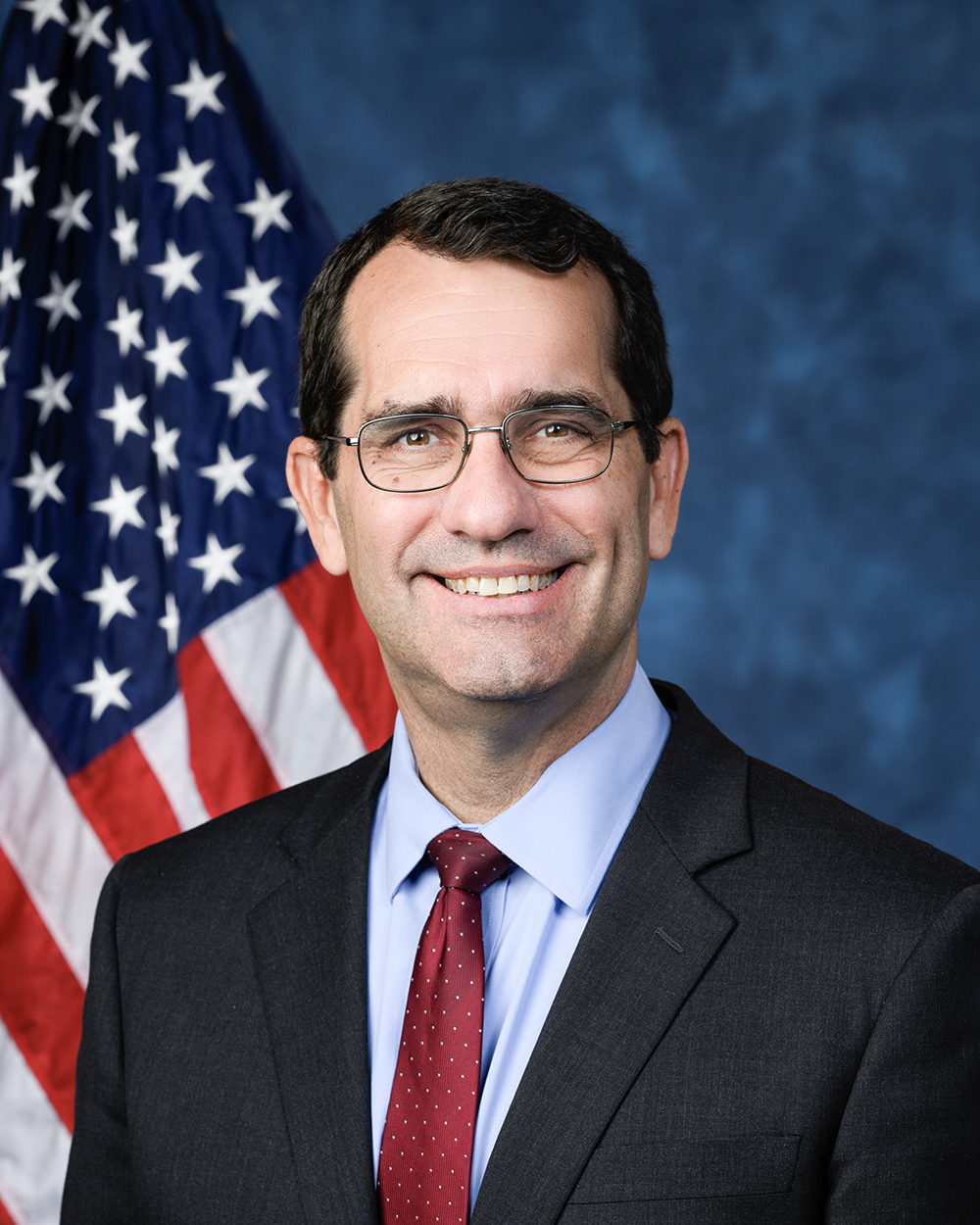
Rep. Derek Schmidt
Sponsored bills
Maddy summaryHR 6595 requires the Secretaries of Defense and Veterans Affairs to create action plans at military medical facilities and VA hospitals to improve veteran access to care. These plans must include cross-credentialing providers, sharing resources at facilities with excess capacity, improving communication between agencies, and establishing secure complaint processes for veterans. The bill mandates annual congressional briefings on progress, costs, patient volumes, and safety incidents, with a deadline of September 30, 2028. It directly affects enrolled veterans seeking care at DOD facilities identified as having available capacity.
Maddy summaryThis bill, the Protecting Ballot Measures From Foreign Influence Act of 2025, bans foreign nationals from contributing money to state and local ballot initiatives and referendums. It amends the Federal Election Campaign Act to explicitly include these state and local voting measures under the existing prohibition on foreign contributions for federal elections. The key provision requires that contributions to ballot measures - like state-level policy votes - must not come from foreign individuals or entities. The law would apply to all contributions made after its enactment date.
Maddy summaryHR 6745, the TRANSFER Act, allows Army and Air Force National Guard officers to be transferred between active and inactive duty status when filling vacancies in federally recognized units. Specifically, it authorizes the Secretaries of the Army and Air Force to establish regulations enabling officers to move from active to inactive status when filling a vacancy, or from inactive to active status to fill the same vacancy. This change aims to improve personnel flexibility and readiness by better matching officers' status to unit needs. The bill directly affects National Guard officers managing active duty positions, without creating new benefits or funding.
Maddy summaryThis bill adjusts Medicare eligibility rules for rural emergency hospitals. It expands eligibility to include off-campus emergency departments that operate as dedicated emergency services in rural counties, meeting specific federal definitions. Hospitals previously classified as outpatient departments could now qualify for Medicare payments if they maintained a dedicated emergency department in a rural area. The change modifies the Social Security Act to allow these facilities to be recognized under the rural emergency hospital designation program. This directly affects rural healthcare providers seeking Medicare reimbursement for emergency services.
Maddy summaryThis bill extends and increases tax credits for sustainable aviation fuel (SAF) producers. It raises the credit rate from 20 cents to 35 cents per gallon for certain SAF facilities and from $1.00 to $1.75 per gallon for others, while requiring SAF to meet ASTM International standards and exclude palm oil or petroleum-derived sources. The credit period is extended from ending in 2029 to 2033, applying to fuel produced after December 31, 2025. The bill directly affects SAF producers meeting these specific criteria, aiming to incentivize cleaner fuel production for the aviation industry.
Maddy summaryThis bill amends the Natural Gas Act to give the Federal Energy Regulatory Commission (FERC) exclusive authority to approve U.S. LNG export terminal projects, requiring FERC to deem such exports consistent with the public interest. It directly affects natural gas companies seeking to build or expand export facilities and streamlines FERC's review process by removing prior requirements for interagency coordination. The bill clarifies that FERC's decisions won't override existing sanctions laws, including restrictions on trade with countries designated as state sponsors of terrorism under current law. This change aims to accelerate domestic LNG export projects while maintaining legal safeguards for national security and foreign policy.
Maddy summaryHRES 931 is a symbolic resolution expressing congressional support for designating December 4, 2025, as "National Scam Prevention Day." It does not create new laws or policies but formally acknowledges the significant financial and psychological harm caused by scams, citing reported losses of $16.6 billion in 2024 and estimated total losses of $158.3 billion when accounting for underreporting. The resolution highlights concerns about international scam operations and their links to criminal organizations, urging a coordinated government and industry approach to scam awareness. It directly affects no specific group but aims to raise public awareness about scam prevention.
Maddy summaryHR 6425 requires the FBI to create a working group within 90 days, including 18 federal agencies like the FTC and CFPB, to develop a National Strategy for Combating Scams. The strategy must establish a common scam definition, coordinate data collection across agencies, improve public complaint reporting (including for people with disabilities), and enhance private-sector collaboration to prevent scams. It mandates the strategy be submitted to Congress and published publicly within one year, with updates every five years. This bill directly affects federal agencies' coordination efforts but does not create new laws or directly impact citizens beyond improving how the government addresses scams.
Maddy summaryThe STOP Scams Against Seniors Act directs federal Byrne funds to create elder justice task forces focused on preventing and investigating financial scams targeting seniors aged 60 and older. These task forces must coordinate with local law enforcement, prosecutors, and federal agencies like the FBI and FTC to address fraud. Grantees must report detailed data on cases opened, resolved, victims supported, scam types, and signs of organized crime, with the Attorney General submitting an annual summary to Congress. The bill directly affects seniors vulnerable to financial exploitation and the agencies implementing these task forces.