

Maddy summaryThe Local Foods for Healthy Schools Act of 2026 creates a new program to help state and local governments purchase and distribute food grown within 400 miles of schools. This initiative provides $200 million annually to eligible state agencies, which can either buy local produce directly or give funds to school districts for that purpose. The bill defines local foods as minimally processed agricultural products and requires recipients to submit reports on their purchases while ensuring funds supplement rather than replace existing state support.
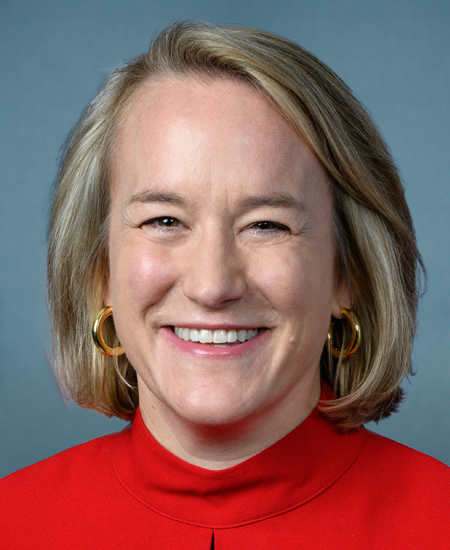
Rep. Nikki Budzinski
Sponsored bills
Maddy summaryThis bill, known as the Wage Theft Prevention and Wage Recovery Act, aims to combat unpaid wages by strengthening penalties for employers who violate federal labor laws and providing workers with better tools to recover stolen money. It directly affects employees across industries who are currently at risk of not receiving their full compensation for hours worked, tips, or benefits. Key provisions require employers to provide detailed paystubs and final payments within 14 days of termination, increase civil fines for violations, and extend the time limit for workers to file lawsuits from two to four years. Additionally, the legislation creates a new grant program to fund community partnerships between the Department of Labor and local organizations to educate workers, assist with claims, and improve enforcement efforts.
Maddy summaryHR 2332, the SHARE Act of 2025, standardizes how states share criminal history background check information for professional licensing across state lines. It requires the FBI to provide this information to state licensing authorities through agreements with law enforcement, specifically for verifying applicants seeking licenses or practice privileges in multiple states. The bill strictly prohibits states from sharing detailed criminal history records with other states or the public, allowing only a simple "satisfactory" or "unsatisfactory" result to be shared. This directly affects licensed professionals (like nurses or contractors) seeking to practice in multiple states and the state agencies that issue their licenses.
Maddy summaryThis bill redesignates the existing National Parks and Public Land Legacy Restoration Fund as the America's Legacy Restoration Fund to address deferred maintenance on federal lands. It directs revenue from recreation fees and a portion of energy development income into the fund, which must be used primarily for repairing critical infrastructure like roads, trails, and buildings managed by agencies such as the National Park Service and the Forest Service. The legislation establishes strict rules requiring that most funds go toward non-transportation projects, mandates transparency through public dashboards tracking project status, and sets aside a small percentage for matching private donations. Additionally, the bill increases entrance fees for foreign visitors to ensure they contribute to the fund, while prohibiting the use of these specific funds for land acquisition or employee bonuses.
Maddy summaryThis resolution commemorates the 50th anniversary of women enrolling in the U.S. Military, Naval, Air Force, and Coast Guard Academies. It formally designates a specific day to honor the history and achievements of female cadets and graduates, noting their significant contributions to military leadership and combat roles since 1976. The text highlights specific milestones, such as women earning the Army Ranger tab and commanding aircraft carriers, while acknowledging their continued service in both uniform and civilian sectors. Ultimately, the bill serves as a symbolic gesture to recognize the progress made by women in the armed forces without altering any existing laws or policies.
Maddy summaryThe Latonya Reeves Freedom Act of 2026 strengthens the Americans with Disabilities Act to ensure individuals with long-term service and support needs have a federally protected right to live in their communities rather than institutions. It requires states and insurance providers to offer community-based services that allow people to maintain independence, control their own care, and access affordable, integrated housing. The bill mandates that public entities and insurers create enforceable transition plans to move people out of institutions, conduct self-evaluations to identify barriers, and establish clear grievance procedures for resolving complaints. Enforcement is handled by the Department of Justice, which can investigate violations, while individuals may also file civil lawsuits to seek damages or court orders preventing institutionalization.
Maddy summaryThis bill allows veterans diagnosed with Parkinson's disease or similar movement disorders to access boxing-based exercise classes as part of their medical treatment. Under the new provisions, eligible veterans enrolled in the VA health care system can receive these classes directly at a VA facility or get reimbursement to attend them at a non-VA location. The policy change takes effect 180 days after the bill is enacted, providing a specific therapeutic option for managing the symptoms of these neurological conditions.
Maddy summaryThe SAFEGUARD Veterans Act of 2026 strengthens protections for veterans by imposing stricter penalties on individuals who charge unauthorized fees for helping with benefits claims and requiring that only accredited representatives or those under their supervision provide such assistance. Key provisions include creating an online searchable list of recognized and suspended agents, mandating warnings on Department websites about potential predatory practices, and adding questions to claim forms to identify anyone who charged fees for coaching or filing assistance. The bill also updates federal laws to prohibit the use of automated telephone equipment for making repeated calls to federal agencies and requires the Department of Veterans Affairs to establish a more accessible digital system for recognizing representatives and processing complaints. Additionally, the Department must conduct a review of its current regulations regarding representation and report its findings to Congress within 180 days of the law's enactment.
Maddy summaryThe Protect Local Funding Act prohibits federal agencies from finalizing, implementing, or enforcing a specific proposed rule regarding federal financial assistance scheduled for publication in May 2026. This legislation directly affects the Office of Management and Budget and other federal agencies by legally blocking them from acting on that particular regulation. By preventing the enforcement of this rule, the bill aims to stop a specific administrative action that could impact how federal funds are distributed. The measure does not alter existing funding programs but rather serves as a procedural barrier to a future regulatory change.
Maddy summaryThe Keep Public Funds in Public Schools Act of 2026 eliminates a federal tax credit that allowed parents to deduct contributions to scholarship granting organizations from their income. By removing these specific tax breaks, the bill prevents the use of public tax dollars to support private school vouchers and scholarship programs. This change directly affects families who currently rely on these tax incentives to fund education outside the public school system. The provisions take effect for taxable years beginning after December 31, 2026.