

Maddy summaryThe VSAFE Act of 2025 establishes a Veterans Scam and Fraud Evasion Officer within the Department of Veterans Affairs to prevent and address fraud targeting veterans. This officer will develop communication plans, training, and reporting systems for veterans, families, caregivers, and survivors to identify and avoid scams, while coordinating with agencies like the IRS, DOJ, and Social Security Administration. The bill also modifies a home loan fee deadline in the VA loan program, changing a date from June 9, 2034, to June 23, 2034. It does not create new full-time positions or alter existing Inspector General authority.
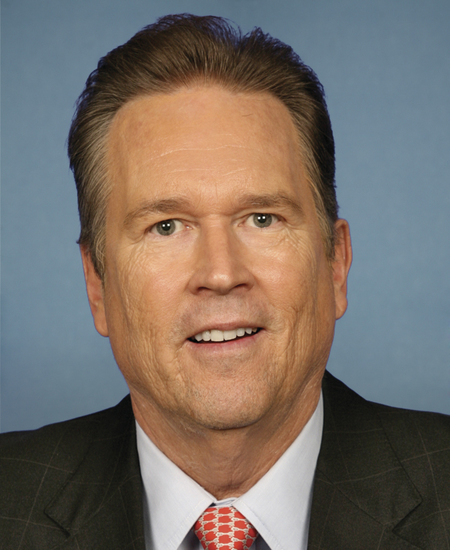
Rep. Vern Buchanan
Sponsored bills
Maddy summaryHR 3307, the Eastern Mediterranean Gateway Act, directs the U.S. government to prioritize diplomatic and security cooperation with Egypt, Greece, Cyprus, and Israel to support their role as a strategic gateway for the India-Middle East-Europe Economic Corridor (IMEC). The bill requires the Secretary of State to institutionalize strategic dialogues with these countries, prioritize energy and defense cooperation in the region, and submit annual reports on implementation and multilateral initiatives. It also mandates studies on expanding U.S. bilateral programs (like those with Israel) to include Eastern Mediterranean partners and analyzing the Cyprus security center as a model. The bill does not create new funding but guides existing U.S. policy and coordination efforts.
Maddy summaryHR 7114, the "No Bounties on Badges Act," would amend federal law to allow the Attorney General to offer rewards for information leading to the arrest or conviction of individuals who harm, kill, or conspire to harm or kill U.S. federal law enforcement officers. The bill creates a new provision authorizing monetary rewards for tips that result in arrests, convictions, or prevention of attacks against officers, including in foreign countries. This policy change directly affects federal law enforcement officers by expanding reward mechanisms for information about threats against them, and it grants the Attorney General new authority under Title 18. The bill does not prohibit bounties but instead establishes a formal reward program for information related to violence against officers.
Maddy summaryThis bill prohibits the interstate trade and possession of captive mink raised for fur production, directly affecting fur farmers and businesses involved in the mink fur supply chain. It includes an exception for entities covered under existing Lacey Act provisions and authorizes the Secretary to buy out mink farms at a price based on the farmer's recent mink population and farm infrastructure value. The law aims to end commercial mink farming for fur by banning related commerce while offering a voluntary transition option for affected farms. It does not apply to wild mink or non-fur-related mink uses.
Maddy summaryHR 5017, the Greyhound Protection Act of 2025, prohibits commercial greyhound racing, live lure training, open field coursing, and related betting across state lines. It bans activities like using live animals as bait, conducting interstate simulcast betting, and transporting greyhounds for racing purposes. The law amends the Animal Welfare Act to make these actions unlawful, with penalties including fines and up to 7 years in prison per violation. It applies to conduct occurring on or after October 1, 2027, and does not override existing state laws banning these activities. The bill directly affects greyhound racing industry participants and the animals involved in these practices.
Maddy summaryHR 4782, the Local Farmers Feeding our Communities Act, establishes a USDA program to connect local farmers with food distribution networks. It requires eligible entities (like state agriculture agencies) to use funds to purchase unprocessed or minimally processed local foods from covered producers - including at least 25% from small-size, mid-size, beginning, or veteran farmers - while providing technical assistance for food safety and supply chains. The bill allocates $200 million annually (2026-2030) from the Commodity Credit Corporation, mandating 10% for Tribal governments and 1% per state before distributing remaining funds. This directly supports regional food security by boosting economic opportunities for local farmers and improving access to fresh, nutritious food through established distribution channels.
Maddy summaryHR 909, the Crime Victims Fund Stabilization Act of 2025, modifies how funds from the False Claims Act are deposited into the Crime Victims Fund. It specifies that from 2025 through 2029, certain False Claims Act proceeds (specifically those for qui tam plaintiff payments and government damage reimbursements) cannot be deposited into the fund. This change directly affects the composition of the Crime Victims Fund by excluding these specific revenue streams during the specified period. The bill does not create new benefits or alter victim services; it only adjusts fund allocation rules for existing False Claims Act revenues.
Maddy summaryHR 6887, the Stop Crimes Against Children Act, amends the PROTECT Our Children Act of 2008 to require federal agencies to develop specific plans. These plans must coordinate with nonprofit child advocacy organizations and universities to prevent, identify, and respond to crimes against children (including abuse, trafficking, and exploitation), and provide evidence-based guidance for supporting victims. The bill also mandates federal recommendations for state, local, and tribal law enforcement on best practices for preventing child crimes and supporting victims. It directly affects federal agencies, law enforcement, and organizations working with child victims. The key change is adding these coordination and recommendation requirements to existing federal strategy.
Maddy summaryHR 6792, the Foreign-Trade Zone Export Enhancement Act of 2025, modifies U.S. tariff rules to make it easier for businesses using foreign-trade zones (FTZs) to export goods to U.S. trade partners under the USMCA (or future agreements). It allows certain merchandise manufactured or altered within FTZs - specifically items classified under HTS 9801.00.95 - to enter the U.S. duty-free when exported directly to Canada or Mexico. This change aims to support U.S. manufacturing competitiveness and job retention by reducing costs for companies processing goods in FTZs for export to USMCA countries. The bill requires U.S. Customs and Border Protection to implement these tariff changes within 90 days of enactment.
Miracle on Ice Congressional Gold Medal Act This act provides for the award of Congressional Gold Medals to the members of the 1980 U.S. Olympic men's ice hockey team in recognition of the team's achievement at the 1980 Winter Olympic Games.