

Maddy summaryHRES 788 is a non-binding resolution expressing congressional support for designating October 8, 2025, as "National Hydrogen and Fuel Cell Day." It does not create new laws or policies but aims to raise public awareness about hydrogen and fuel cell technologies. The resolution highlights their role in clean energy, transportation (including vehicles and backup power), and U.S. innovation, citing their use in space programs and current applications. This symbolic gesture directly affects public awareness and industry recognition, not specific individuals or regulations.
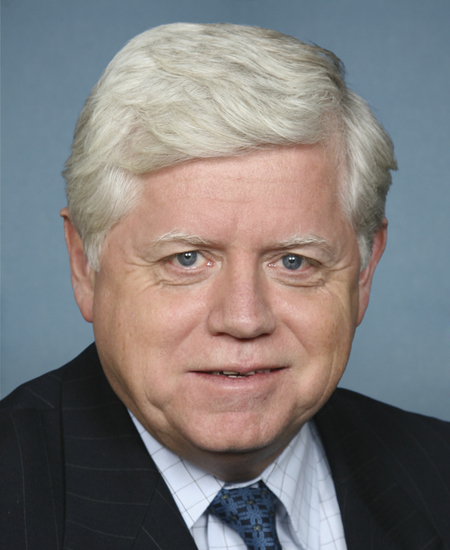
Rep. John B. Larson
Sponsored bills
Maddy summaryThe Keep the Heat On Act of 2025 ensures low-income households continue receiving home energy assistance during a federal government shutdown in fiscal year 2026. It directs the use of unused Treasury funds to maintain the same payment rates for the home energy assistance program as in fiscal year 2025, preventing service interruptions. This applies specifically to any shutdown period during the 2026 fiscal year, guaranteeing consistent support for vulnerable families. The bill addresses a funding gap without altering existing program eligibility or requirements.
Maddy summaryThis bill provides tax relief for workers affected by federal government shutdowns. It allows federal contractors, their employees on unpaid leave during shutdowns, and related workers (like those for federal grantees, states, or DC government) to withdraw up to $30,000 from retirement accounts without the usual 10% early withdrawal penalty. Withdrawals can be repaid within 3 years to avoid tax consequences, and income from the withdrawal is spread over 3 years if elected. The $30,000 limit adjusts annually for inflation.
Maddy summaryThis bill adds Medicare coverage for multi-cancer early detection screening tests (blood or biological tests analyzing cell-free DNA) starting January 1, 2028. It directly affects Medicare beneficiaries aged 68 and older (starting in 2028, with the age limit increasing by 1 year annually), requiring tests to be FDA-cleared and deemed reasonable/necessary by the Secretary for early cancer detection across multiple organ sites. Payment will initially match current stool DNA test rates before 2031, then shift to a lower rate or new payment system after 2031, with limits preventing more than one test per year. The bill explicitly states it does not alter coverage for existing cancer screenings like breast, colorectal, or prostate cancer tests.
Fair Pay for Federal Contractors Act of 2025 This bill provides back pay to employees of federal contractors who lost pay due to a lapse in appropriations (i.e., government shutdown) in FY2026. Specifically, the bill provides appropriations for federal agencies that are subject to a lapse in appropriations in FY2026 to adjust the price of contracts to compensate federal contractors for providing back pay to employees who were affected by the lapse in appropriations. The agencies must adjust the price of any contract for which the contractor stopped, suspended, delayed, or interrupted all or part of the work under the contract due to the lapse in appropriations. The price adjustment must compensate the contractor for reasonable costs incurred to (1) compensate employees who were furloughed or laid off, were not working, or experienced a reduction of hours or compensation due to the lapse in appropriations; or (2) restore paid leave taken by employees during the lapse in appropriations if the contractor required or permitted employees to use paid leave as a result of the lapse in appropriations. The maximum amount of weekly compensation of an employee for which an adjustment may be made under this bill may not exceed the lesser of (1) the employee's actual weekly compensation, or (2) $1,442 (or a lesser amount pro-rated for an employee who works less than 40 hours per week). The bill also requires the Office of Federal Procurement Policy to submit a report to Congress on the adjustments made under this bill.
Maddy summaryHR 5660, the Pay Our Military Act, ensures military personnel and support staff receive pay during a government funding gap in fiscal year 2026. It appropriates funds from the Treasury to cover pay and allowances for active-duty troops, reservists, Department of Defense civilian employees, and contractors supporting military operations, if Congress hasn’t passed regular funding by then. The funding remains available until either regular appropriations are enacted or January 1, 2027, whichever comes first. This is a temporary measure to prevent disruptions in military pay during budget negotiations.
Maddy summaryHCONRES 51 directs the President to withdraw U.S. military forces from hostilities against Venezuela and designated terrorist organizations (transnational criminal groups listed as Foreign Terrorist Organizations or Specially Designated Global Terrorists) without congressional authorization. It applies to military actions since February 20, 2025, including recent Caribbean operations referenced in the bill's findings. The resolution invokes the War Powers Resolution, requiring removal of forces when no declaration of war or specific statutory authorization exists. It explicitly excludes self-defense against sudden attacks but mandates withdrawal for unapproved military engagement.
Maddy summaryHJRES 126 is a joint resolution directing the removal of U.S. Armed Forces from military operations against specific targets without congressional authorization. It requires the President to end hostilities involving: (1) foreign terrorist organizations designated after February 20, 2025; (2) countries where those groups operate; or (3) non-state groups trafficking illegal drugs, unless Congress explicitly authorizes such actions through a war declaration or specific law. The bill cites recent military strikes on vessels as examples of unauthorized hostilities and emphasizes that drug trafficking alone does not justify military force under the War Powers Resolution. This resolution applies to all current and future operations targeting these groups without prior congressional approval.
Maddy summaryThis resolution condemns the use of federal regulatory agencies (like the FCC) or lawsuits to suppress lawful speech critical of political parties or the President, specifically referencing concerns about tactics mirroring authoritarian practices. It does not create new laws but formally warns that such actions undermine First Amendment protections and democratic norms. The resolution directly affects media organizations, journalists, and public discourse by calling on government agencies to avoid using their power for political retaliation. It reaffirms the House’s commitment to protecting free expression and urges officials to refrain from pressuring media to silence criticism.
Maddy summaryThe POJA Act of 2025 amends the Age Discrimination in Employment Act to explicitly prohibit age discrimination against job applicants, not just current employees. It directly affects job seekers aged 40 and older who face bias during hiring. The bill requires the Equal Employment Opportunity Commission to conduct a study within one year of enactment, counting age discrimination claims filed since 2015 (including closed cases), and issue a public report with prevention recommendations for employers. This study aims to address gaps in protecting applicants during the hiring process.