

Maddy summaryThe Small Business Workforce Pipeline Act of 2026 directs the Small Business Administration to help small businesses create and improve training programs for their employees. This bill requires the agency to share information from the Department of Labor and other federal sources on setting up work-based learning, registered apprenticeships, pre-apprenticeships, and job training initiatives. By amending the Small Business Act, the legislation aims to strengthen the workforce development resources available to small business owners.
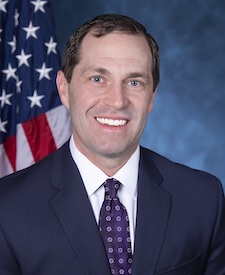
Rep. Jason Crow
Sponsored bills
Maddy summaryThe Small Business Succession Planning Act directs the Small Business Administration to create a program and toolkit to help small business owners develop plans for transferring ownership upon retirement or death. To support this initiative, the bill requires the agency to train partners, educate business owners, and assign specific staff to provide counseling, while also allowing for workshops and reporting on progress. A key financial incentive is a new tax credit offering $250 for establishing a succession plan and another $250 for successfully completing the transfer of responsibilities, provided the business remains small. The legislation includes safeguards that require the repayment of these credits if the business is sold to a non-small entity within three years of receiving the award.
Maddy summaryThe Small Business Innovation Voucher Act of 2026 creates a new grant program to help small businesses purchase technical assistance and services from universities and nonprofit research labs. Under this competitive program, the Small Business Administration will award grants ranging from $15,000 to $75,000 to cover between 50% and 75% of the cost for projects aimed at developing new products or services. To receive funding, small businesses must submit an application detailing their project, and selected recipients are required to report on their results and how the project impacted their business after completion. The legislation authorizes $10 million per year from 2026 through 2030 to fund these grants and covers administrative expenses with up to 5% of the total appropriation.
Maddy summaryThe SHINE Act requires political committees to separately report any contributions of $1,000 or more received within the 20 days leading up to an election. This rule applies to non-party committees that plan to spend money supporting or opposing candidates or parties in that upcoming election. The Federal Election Commission must create specific regulations to enforce this reporting requirement within 90 days of the law's passage. These changes aim to increase transparency by ensuring timely disclosure of late donations used for campaign activities.
Maddy summaryThe Bipartisan Transparency for American Taxpayers Act prohibits the use of federal funds to pay claims submitted to the Anti-Weaponization Fund. This fund was established by the Department of Justice on May 18, 2026, and the bill specifically bars any money from being used for these payments. The legislation directly affects the Department of Justice and any individuals or entities seeking reimbursement from this specific fund. By restricting funding sources, the bill aims to prevent taxpayer money from being spent on claims directed to this newly created entity.
Maddy summaryThis bill would add pharmacist services to Medicare Part B coverage for beneficiaries, specifically covering pharmacist-led testing and treatment for illnesses like flu, COVID-19, or strep throat during public health emergencies. It defines covered services as those performed under state law, often requiring collaboration with a physician, and sets payment at 80% of the lesser of the actual charge or 85% of physician payment rates. Pharmacists would be prohibited from balance billing for these services, ensuring Medicare beneficiaries pay only their standard copayment. The changes would take effect January 1, 2026.
Maddy summaryThe Recycling Infrastructure and Accessibility Act of 2025 establishes a competitive federal grant program to fund projects improving recycling access in underserved communities. It authorizes $30 million annually (2025-2029) for grants to states, local governments, tribes, or public-private partnerships to build infrastructure like transfer stations, expand curbside collection, or reduce transport costs. Grants must be $500,000-$15 million, with 70% reserved for projects in communities lacking a materials recovery facility within 75 miles. The program requires grantees to report on implementation and outcomes, excluding funding for recycling education.
Maddy summaryThis bill authorizes the U.S. Mint to produce commemorative $5 gold and $1 silver coins marking the 25th anniversary of the September 11, 2001, terrorist attacks. The coins must feature designs honoring victims and first responders (including the inscription "Never Forget") and will be sold only during 2027-2028. All surcharges ($35 per gold coin, $10 per silver coin) collected from sales will fund the National September 11 Memorial and Museum at the World Trade Center, with no net cost to the federal government. The coins are legal tender but primarily intended for collectors, not circulation.
Maddy summaryThe Smithsonian American Women’s History Museum Act authorizes the creation of a new Smithsonian museum dedicated to women’s history, to be located within the National Mall Reserve in Washington, D.C. If the site is managed by another federal agency, the bill requires that agency to transfer the land after notifying Congress and relevant committees. The museum must ensure exhibits and programs accurately represent diverse women’s experiences by consulting a broad range of experts and community voices. The Smithsonian will submit biennial reports to Congress detailing how the museum meets these representation standards.
Maddy summaryThe No Taxpayer-Funded Settlement Slush Funds Act of 2026 prohibits the use of federal money to pay specific settlements involving high-ranking government officials and their close associates. It bars payments to the President, Vice President, their immediate families, cabinet members, senior executive staff, political appointees, and individuals connected to these roles, as well as any entity owned by the President or Vice President. Additionally, the bill restricts settlements related to claims about the January 6 Capitol attack, foreign election interference, or previously dismissed lawsuits, while requiring Treasury reports for large settlements and allowing the government to seek repayment if rules are broken.