

Maddy summaryThe PORCUPINE Act amends the Arms Export Control Act to include Taiwan alongside New Zealand and Israel in specific certification and reporting requirements related to U.S. arms exports. This legislative change ensures Taiwan is treated similarly to these allied nations in certain foreign policy contexts involving defense article transfers. The bill also directs the Secretary of State to assess the feasibility of creating an expedited licensing process for military equipment transfers from designated allies to Taiwan within 90 days. Additionally, the act requires biennial reports on the implementation of these amendments and includes a provision stating that the legislation does not alter existing U.S. policy toward Taiwan under the Taiwan Relations Act. The entire measure is set to expire seven years after its enactment.
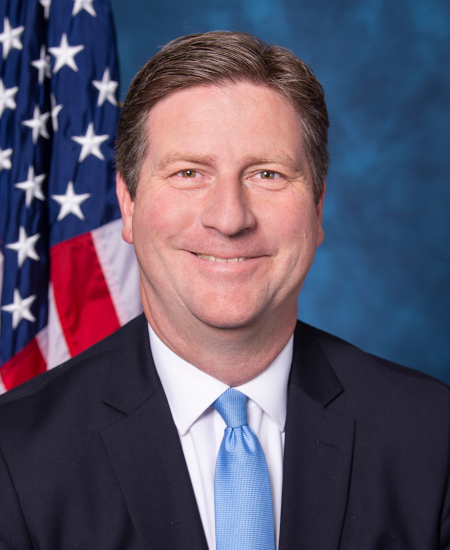
Rep. Greg Stanton
Sponsored bills
Maddy summaryHR 7101, the "No Delay in Representation Act," requires the House of Representatives to seat members elected in special elections within five legislative days of certification of results. It mandates that newly elected members be sworn in and seated as House Members by this deadline, overriding any existing rules or laws that might delay the process. If a member declines the oath during this period, the Speaker must administer it on a mutually agreed date. This bill directly affects individuals elected to fill House vacancies through special elections, ensuring faster integration into the legislative body.
Maddy summaryHRES 996 is a resolution introduced by multiple House members to impeach Kristi Lynn Arnold Noem, the Secretary of Homeland Security, for alleged violations of law and the Constitution. It outlines three articles of impeachment: obstructing congressional oversight by denying access to detention facilities and withholding funds, violating public trust through warrantless arrests and excessive force (including tear gas on children), and self-dealing by awarding federal contracts to associates without competitive bidding. If approved by the House, this resolution would formally charge Noem, triggering a Senate trial to determine her removal from office. The resolution itself does not enact new policy but initiates the constitutional impeachment process against a sitting Cabinet official.
Maddy summaryHR 7059, the "No Unauthorized War in Mexico Act," prohibits the use of federal funds for military force in or against Mexico without specific congressional authorization after its enactment. It requires Congress to either declare war or pass a new law meeting War Powers Resolution standards for any military action during the period starting when the bill becomes law and ending December 31, 2026. The bill directly affects the U.S. military and federal agencies managing defense spending, preventing unilateral military operations without explicit congressional approval. An exception exists for actions consistent with existing War Powers Resolution provisions for immediate threats.
Maddy summaryThis symbolic House resolution expresses U.S. congressional support for Iranian protesters demanding democracy and human rights. It condemns the Iranian regime's violent suppression of protests, including killings, mass arrests, and internet restrictions, while urging the regime to release political prisoners and restore communication access. The resolution reaffirms the Iranian people's right to self-determination through free elections and echoes a 2023 resolution (HCR 7) that similarly praised protesters. As a non-binding expression of support, it does not impose new policies or alter U.S. government actions.
Maddy summaryThis bill prohibits U.S. federal funds from being used to support Venezuela's oil and petroleum sector, including financing infrastructure projects, purchasing property, providing insurance, making payments to companies, or government advocacy. It directly affects all federal agencies and programs that manage taxpayer money, preventing them from funding any aspect of Venezuela's oil industry. The bill requires the Secretary of State to submit annual reports to specific congressional committees detailing any related activities and confirming compliance. These provisions aim to restrict U.S. financial involvement in Venezuela's oil sector using clear, non-ambiguous language.
Maddy summaryThis bill would increase the base pay for Federal Bureau of Prisons correctional officers by 35 percent, replacing their current base rate for all pay calculations (including retirement and locality adjustments). It applies to officers whose duties involve inmate custody, control, or direct custodial contact, including certain supervisory staff and lower-grade Bureau of Prisons employees with similar duties. The pay increase is capped at the Executive Schedule level V rate and would expire after five years unless a Department of Justice Inspector General review finds progress in reducing non-custodial staff use for custodial duties and excessive overtime. The review, required 180 days before expiration, would assess impacts on recruitment, retention, and institutional safety.
Maddy summaryHR 6088, the *Restoring Food Security for American Families and Farmers Act of 2025*, repeals specific sections (10101-10108) from a prior reconciliation law. This action revives previous provisions related to food security programs that were modified by those repealed sections. The bill directly affects federal food assistance and agricultural support programs by restoring their prior legal framework. It does not create new policies but reverses recent changes to existing food security measures.
Maddy summaryHR 4509, the NOPAIN for Veterans Act, requires the Department of Veterans Affairs (VA) to add FDA-approved non-opioid pain medications to its national formulary within one year of their approval for pain management. These medications must reduce pain without acting on opioid receptors, directly affecting veterans receiving VA care who need pain treatment. The bill mandates the VA include such drugs in its formulary and drug standardization list, expanding access to non-opioid options. It also prohibits using funds from the Cost of War Toxic Exposures Fund to implement these changes, with implementation required within 90 days of the bill's enactment.
Maddy summaryHR 909, the Crime Victims Fund Stabilization Act of 2025, modifies how funds from the False Claims Act are deposited into the Crime Victims Fund. It specifies that from 2025 through 2029, certain False Claims Act proceeds (specifically those for qui tam plaintiff payments and government damage reimbursements) cannot be deposited into the fund. This change directly affects the composition of the Crime Victims Fund by excluding these specific revenue streams during the specified period. The bill does not create new benefits or alter victim services; it only adjusts fund allocation rules for existing False Claims Act revenues.