

Maddy summaryThe America's Wildlife Habitat Conservation Act creates new funding mechanisms to support wildlife habitat conservation across the United States. It establishes a $300 million annual subaccount for states, territories, and the District of Columbia to restore habitat for species listed as threatened or endangered under federal or state law, and to prevent species from needing such listings, with at least 15% of funds dedicated to endangered species recovery. The bill also creates a $20 million annual account specifically for tribal wildlife conservation programs. Funds must be used for habitat restoration, species conservation, invasive species management, and must be tracked through annual reporting requirements to demonstrate effectiveness.
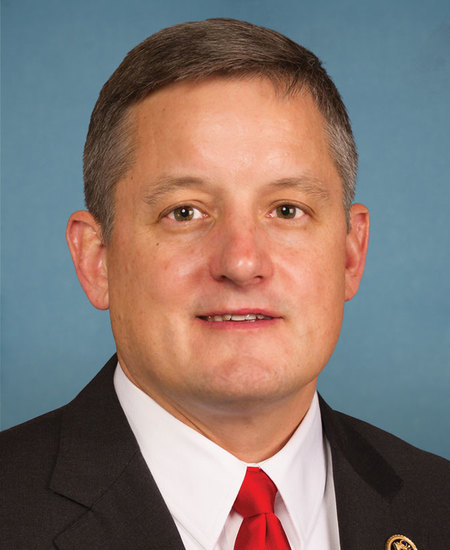
Rep. Bruce Westerman
Sponsored bills
Maddy summaryThe Save Our Sequoias Act establishes a coordinated approach to protect giant sequoia groves in California from wildfires, insects, and drought. It creates a Giant Sequoia Lands Coalition including federal agencies, state governments, and the Tule River Indian Tribe to assess grove health, develop protection projects, and recommend forest management activities. The bill streamlines implementation of certain projects through categorical exclusion from environmental reviews, authorizes $10-40 million annually for conservation efforts, and establishes a fund for philanthropic support of sequoia protection.
Maddy summaryThe Pharmacists Fight Back Act (HR 9096) sets new rules for Pharmacy Benefits Managers (PBMs) working with federal health care programs like Medicare Part D and Medicaid. It requires PBMs to reimburse in-network pharmacies at a rate covering the drug's actual cost plus a small fee (capped at $25), and to reduce patient cost-sharing by at least 80% of rebates received from drug manufacturers. The bill bans PBMs from steering patients to specific pharmacies, charging patients more than pharmacies are paid, or using rebates to lower pharmacy payments after claims are processed. It also mandates public reporting of drug pricing data to improve transparency, ensuring patients and pharmacies receive fairer treatment under federal health programs.
Maddy summaryThis bill removes a requirement for ambulatory surgical centers participating in Medicare to report the COVID-19 vaccination status of their healthcare workers. Specifically, it directs the Secretary of Health and Human Services to revise Medicare regulations (42 CFR §§ 416.300-416.330) within 45 days of enactment to eliminate this reporting mandate. The change directly affects ambulatory surgical centers that receive Medicare funding, removing a specific administrative burden related to employee vaccination data. The bill focuses solely on modifying existing reporting rules, with no new funding or program requirements.
Maddy summaryThis bill establishes an Agricultural Trade Enforcement Task Force to address foreign trade barriers harming U.S. agricultural exports, specifically targeting India's WTO-violating price support programs for rice, wheat, and other commodities. The Task Force, led by the U.S. Trade Representative and Agriculture Department, must identify systemic trade barriers, develop enforcement strategies, and file a WTO dispute against India within 60 days of consultations if needed. It requires quarterly reports to Congress on progress, including a specific plan to challenge India's subsidies that exceed WTO limits (e.g., rice supports at 93.9% of production value). The bill directly affects U.S. farmers, ranchers, and exporters who face market access barriers due to these foreign subsidies.
Maddy summaryHR 5593 amends the Trade Act of 1974 to create a specific exemption for certain tire articles under the Generalized System of Preferences (GSP). This bill directly affects U.S. importers and manufacturers of these "import-sensitive tire articles" by removing them from the GSP program, which normally provides duty-free access for qualifying goods. The key provision adds a new category ("import-sensitive tire articles") to the existing law, explicitly exempting these items from GSP requirements. As a result, these tire products will no longer qualify for the preferential tariff treatment offered under the GSP program.
Maddy summaryThe ARC Act of 2023 establishes a national program to address peripheral artery disease (PAD), which disproportionately affects minority populations and leads to avoidable amputations. The bill requires Medicare and Medicaid to cover PAD screening tests (such as ankle-brachial index testing) for at-risk beneficiaries without cost-sharing, including people 65+ or those with diabetes, smoking history, or other risk factors. It authorizes $6 million annually for a CDC-led education program to inform healthcare providers and the public about PAD prevention and treatment. The bill also creates quality measures to encourage alternative treatments to amputation and establishes a pilot program to test amputation prevention services at healthcare facilities. These provisions aim to reduce amputation rates and improve outcomes for millions of Americans with PAD.
Maddy summaryThis bill establishes a minimum payment floor for Medicare reimbursements to rural hospitals not located in frontier states. It sets a 0.85 minimum for the area wage index used in hospital inpatient payments (starting October 2023) and a similar floor for outpatient department payments (starting January 2024). This prevents Medicare payments from dropping below 85% of the standard wage index for eligible rural hospitals. The bill includes budget neutrality requirements to ensure overall Medicare payments don't increase, while exempting hospitals already receiving payments above the floor.
Maddy summaryHR 3561, the PATIENT Act of 2023, requires hospitals, health insurance plans, and pharmacy benefit managers to publicly disclose detailed pricing information for healthcare services and drugs. Hospitals must publish standard charges for 300+ shoppable services, including gross charges, payer-specific negotiated rates, and discounted cash prices, with updates required annually. Health plans must provide real-time information on in-network rates, cost sharing, deductibles, and prior authorization requirements for covered services. The bill establishes enforcement mechanisms, including civil monetary penalties for non-compliance, with fines ranging from $300 per day for small hospitals to $5 million for large hospitals that fail to comply with the transparency requirements.
Maddy summaryThis bill prohibits federal funding for gender transition procedures - including hormone therapy, puberty blockers, and surgeries like genital reassignment - across all federal programs and health plans. It exempts procedures for medical conditions (such as disorders of sex development) and treatment of complications arising from such procedures. The bill also blocks Affordable Care Act premium tax credits and cost-sharing reductions for health plans covering these services, though individuals may purchase separate non-federal-funded coverage. State and private insurers can still offer such coverage using their own funds, but federal subsidies cannot be applied to it.