Issue · Healthcare

Healthcare

Every healthcare bill, vote, and legislator stance in Utah, automatically classified by Maddy, our AI policy reader.

Total bills
104
2026 General Session
Top supporter
Kathleen Riebe
87% support rate
Top opponent
Lincoln Fillmore
10% support rate
Ranked legislators
10
5 support · 5 oppose
Key legislators

Who's moving healthcare in Utah

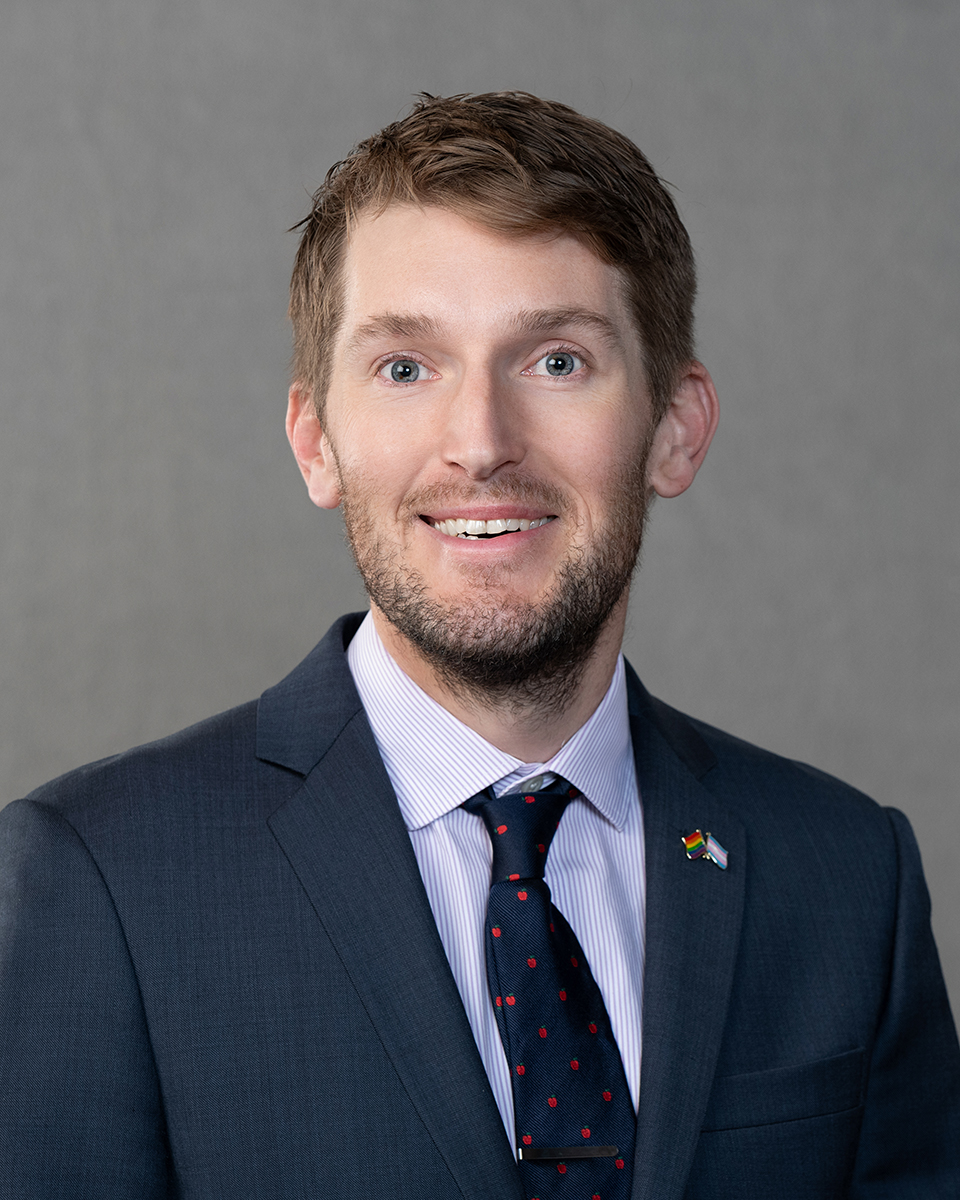
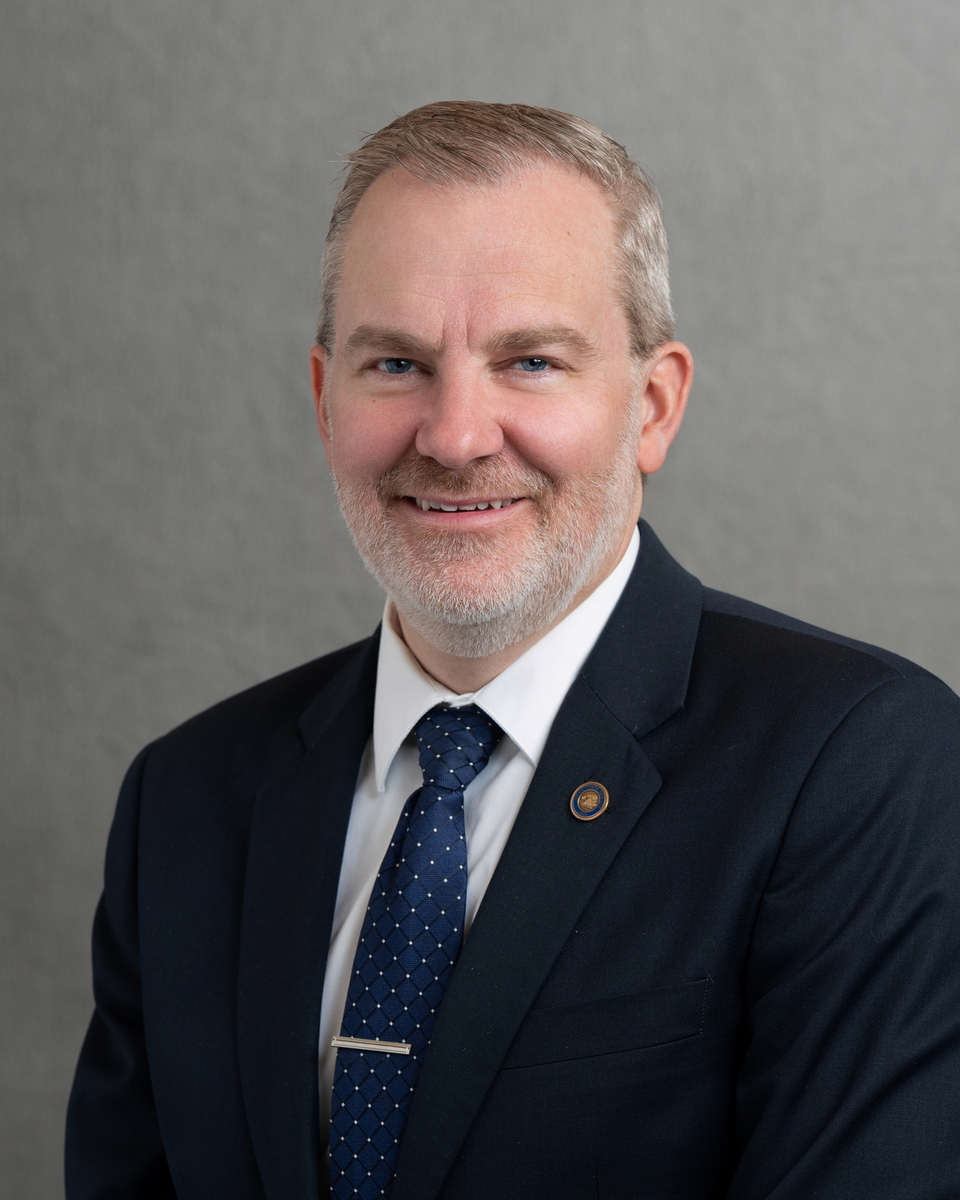
Legislators moving healthcare in Utah
Legislator Party Stance Support rate Votes
Kathleen Riebe
Kathleen Riebe Senate · District 15
D
Strong +
87% 63
Nate Blouin
Nate Blouin Senate · District 13
D
Strong +
83% 68
Karen Kwan
Karen Kwan Senate · District 12
D
Strong +
83% 68
Emily Buss
Emily Buss Senate · District 11
N
Strong +
82% 63
Norm Thurston
Norm Thurston House · District 62
R
Strong +
80% 45
Lincoln Fillmore
Lincoln Fillmore Senate · District 17
R
Strong −
10% 56
John Johnson
John Johnson Senate · District 3
R
Oppose
30% 65
Dan McCay
Dan McCay Senate · District 18
R
Oppose
38% 55
Cal Musselman
Cal Musselman Senate · District 4
R
Oppose
38% 64
Tiara Auxier
Tiara Auxier House · District 4
R
Oppose
38% 42
Showing 91–100 of 104 bills

All healthcare bills

signed · Utah · Senate Mar 18, 2026

SB 222: Right to Try Amendments

SB 222 amends Utah's "Right to Try" law to expand access to investigational drugs. It removes the requirement that patients have a terminal illness, instead allowing individuals with serious conditions that pose significant risks compared to experimental treatments and limited conventional options to qualify. The bill updates definitions to clarify "eligible illness" and expands permissible medicinal dosage forms (e.g., adding transdermal and sublingual options). This change directly affects patients seeking experimental treatments who previously faced eligibility barriers due to non-terminal diagnoses. The law takes effect May 6, 2026, with no new funding required.
signed · Utah · House Mar 18, 2026

HB 414: Dental Hygienist Amendments

HB 414 amends Utah's definition of "public health setting" to explicitly include hospitals. This change allows dental hygienists working in hospitals to practice without requiring general supervision from a dentist (meaning a dentist doesn't need to be physically present on-site). The bill directly affects dental hygienists employed in hospital settings by expanding their scope of practice within those facilities. It does not appropriate funds or change other licensing requirements, focusing solely on clarifying where hygienists can work independently. The amendment takes effect May 6, 2026.
introduced · Utah · House Mar 7, 2026

HJR 6: Joint Resolution Regarding School Activities and Practices

HJR 6 is a non-binding resolution encouraging Utah public schools to prioritize student well-being by increasing physical activity and reducing screen time during the school day. It specifically urges schools to expand physical education, outdoor recess, and unstructured play while recommending thoughtful limits on digital device use - especially for younger students - to support mental health. The resolution, addressed to school leaders and state agencies like the State Board of Education, does not appropriate funds or create new requirements, but rather offers recommendations based on research linking reduced screen time to improved youth mental health outcomes. It follows concerns about rising youth anxiety and the displacement of outdoor play by digital learning tools.
signed · Utah · Senate Mar 26, 2026

SB 66: Medical Cannabis Pharmacy License Amendments

This bill creates a Cannabis Production Establishment and Pharmacy Licensing Advisory Board to oversee medical cannabis pharmacy licensing in Utah. The board, composed of eight to nine members with strict conflict-of-interest rules (e.g., no industry ties), reviews license applications and location changes. Key provisions require the board to consider geographic access, patient cost efficiency, and medical cannabis availability when approving pharmacy location shifts. It directly affects medical cannabis pharmacies seeking new locations or operational changes, ensuring decisions align with public health and geographic distribution goals. The bill amends Utah code sections governing licensing procedures but does not appropriate funds or change patient eligibility.
signed · Utah · House Mar 17, 2026

HB 199: Health Data Amendments

HB 199 amends Utah's health data laws to clarify how the Department of Health and Human Services manages health information. It defines key terms, allows the department to share data with public health, mental health, and substance use authorities for public health purposes, and adds new data security requirements. The bill removes certain reporting obligations for health data providers and updates rules around the All Payer Claims Database. These changes primarily affect health care facilities, providers, insurers, and government agencies handling health data within Utah. The law makes technical updates to existing statutes without appropriating new funds.
in committee · Utah · House Mar 7, 2026

HB 359: Health Care Preceptor Amendments

HB 359 creates the Preceptor Fund to support clinical training for health care students in Utah. It allows health care providers (physicians, physician assistants, and advanced practice nurses) who supervise students in clinical settings to receive payments for providing at least 160 hours of training per student. The fund is financed solely through private donations, including mandatory donations during health care provider license applications. Providers can combine hours across multiple students to meet the 160-hour requirement, and the Department of Health and Human Services will establish rules for fund distribution. The bill takes effect in 2026 and requires no state appropriations.
signed · Utah · House Mar 18, 2026

HB 15: Medicaid Amendments

HB 15 amends Utah's Medicaid expansion program to address potential reductions in federal funding. It changes the automatic end date for the expansion if federal matching funds decrease, requires the Department of Health and Human Services to terminate programs that would reduce federal funds, and mandates a report to the legislature if funding drops. The bill also allows the state tax funding Medicaid expansion to end if the program concludes. These changes directly affect Utah's Medicaid beneficiaries and the state's administration of the program, focusing on maintaining federal funding alignment without new state spending.
Sub-Topics Medicaid
signed · Utah · House Mar 17, 2026

HB 71: Health Provider Directory and Access Amendments

HB 71 requires health insurance companies (covered insurers) to help enrollees access behavioral health services (like mental health and substance use treatment) in a timely manner when in-network providers aren't available. Insurers must publish and regularly update accurate provider directories, facilitate out-of-network care within 7 days (or 24 hours for emergencies), and follow specific rules for single case agreements to cover out-of-network services. The bill also extends these requirements to Utah's Medicaid program and directs the state to create a working group to study a statewide behavioral health provider directory. These changes apply to all insurers offering behavioral health coverage, effective July 1, 2026.
signed · Utah · House Mar 26, 2026

HB 122: Pregnant and Postpartum Inmate Amendments

HB 122 requires Utah correctional facilities to report the number of pregnant inmates and inmates who are parents of minor children. It extends postpartum recovery care to 12 weeks, prohibits restraints during this period without specific security justification, and increases social worker access from six to 12 weeks to help inmates arrange childcare, plan family reunification, and access substance abuse treatment if needed. The bill also clarifies that facilities must provide postpartum medical care for 12 weeks after childbirth. These changes directly affect pregnant and postpartum incarcerated individuals in Utah state prisons and county jails.
signed · Utah · Senate Mar 17, 2026

SB 50: Anesthesia Dosage Amendments

SB 50 requires health insurance plans in Utah to cover medically necessary anesthesia services regardless of procedure duration, directly affecting patients needing anesthesia and insurers offering health coverage. It prohibits insurers from denying payment for anesthesia solely based on exceeding preset time limits, ensuring coverage isn't withheld for extended care. The law applies to health benefit plans renewed or entered after January 1, 2027, and is codified under Utah Code Section 31A-22-663. This bill takes effect on May 6, 2026, with no new state funding required.
Sub-Topics Insurance
Showing 91 to 100 of 104 bills