Issue · Education

Education (K-12 Education)

Every education bill, vote, and legislator stance in Utah, automatically classified by Maddy, our AI policy reader.

Total bills
17
2026 General Session
Top supporter
Mike McKell
100% support rate
Top opponent
Leah Hansen
0% support rate
Ranked legislators
8
5 support · 3 oppose
Key legislators

Who's moving k-12 education in Utah

Legislators moving k-12 education in Utah
Legislator Party Stance Support rate Votes
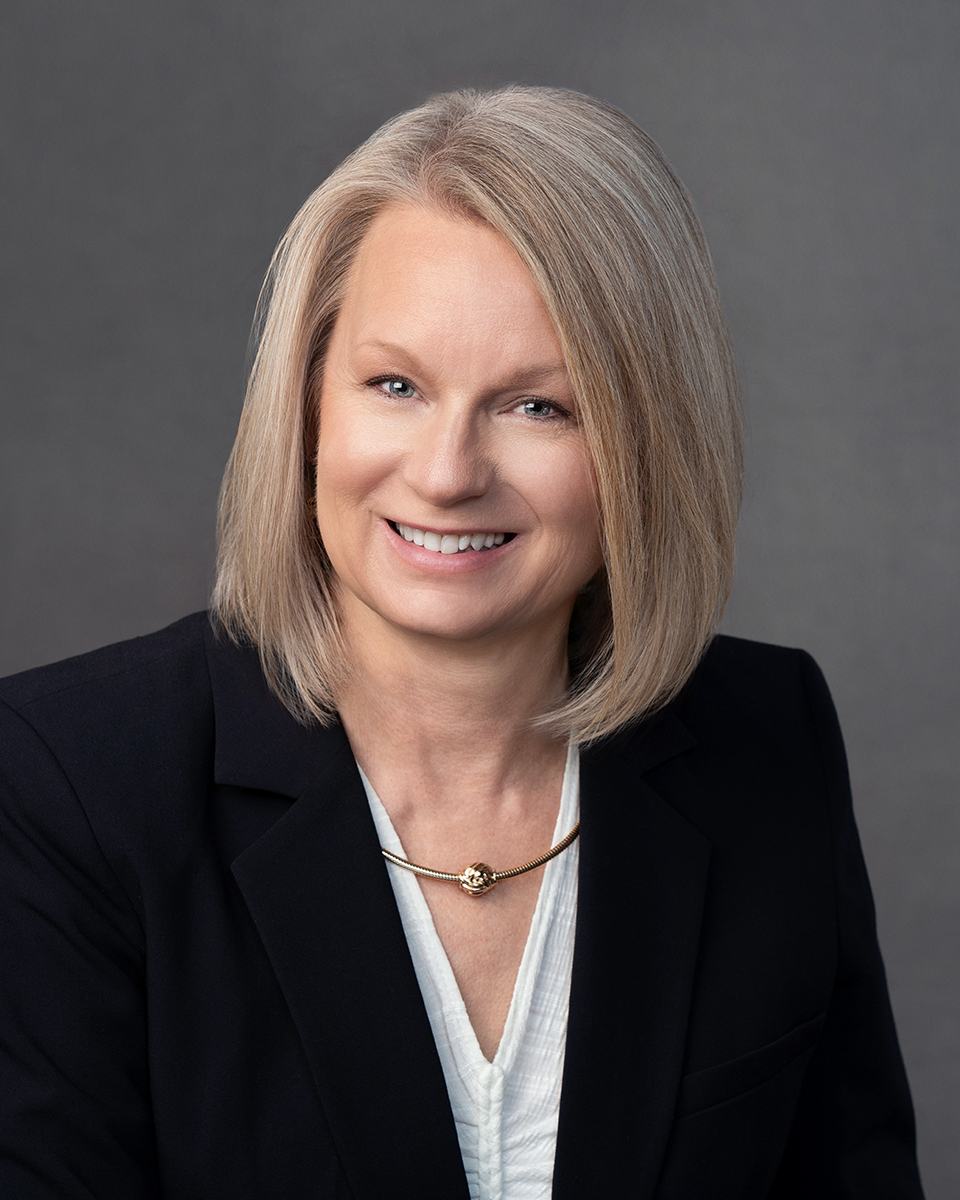
Mike McKell
Mike McKell Senate · District 25
R
Strong +
100% 8
Ann Millner
Ann Millner Senate · District 5
R
Strong +
100% 5
Jerry Stevenson
Jerry Stevenson Senate · District 6
R
Strong +
100% 5
Bridger Bolinder
Bridger Bolinder House · District 29
R
Strong +
100% 4
Cal Roberts
Cal Roberts House · District 46
R
Strong +
100% 4
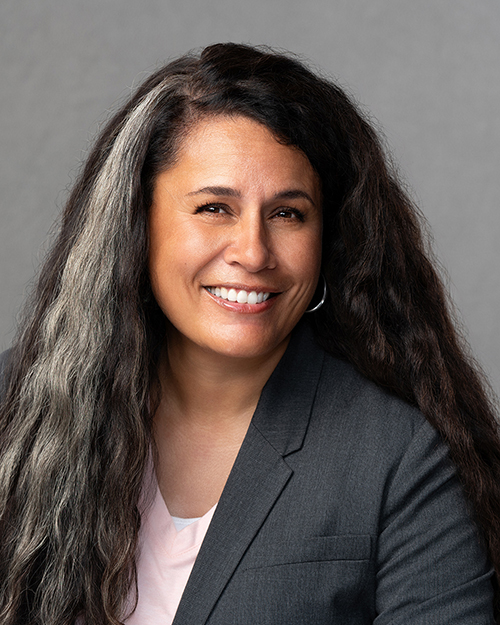
Leah Hansen
Leah Hansen House · District 51
R
Strong −
0% 3
Kristen Chevrier
Kristen Chevrier House · District 54
R
Oppose
33% 3
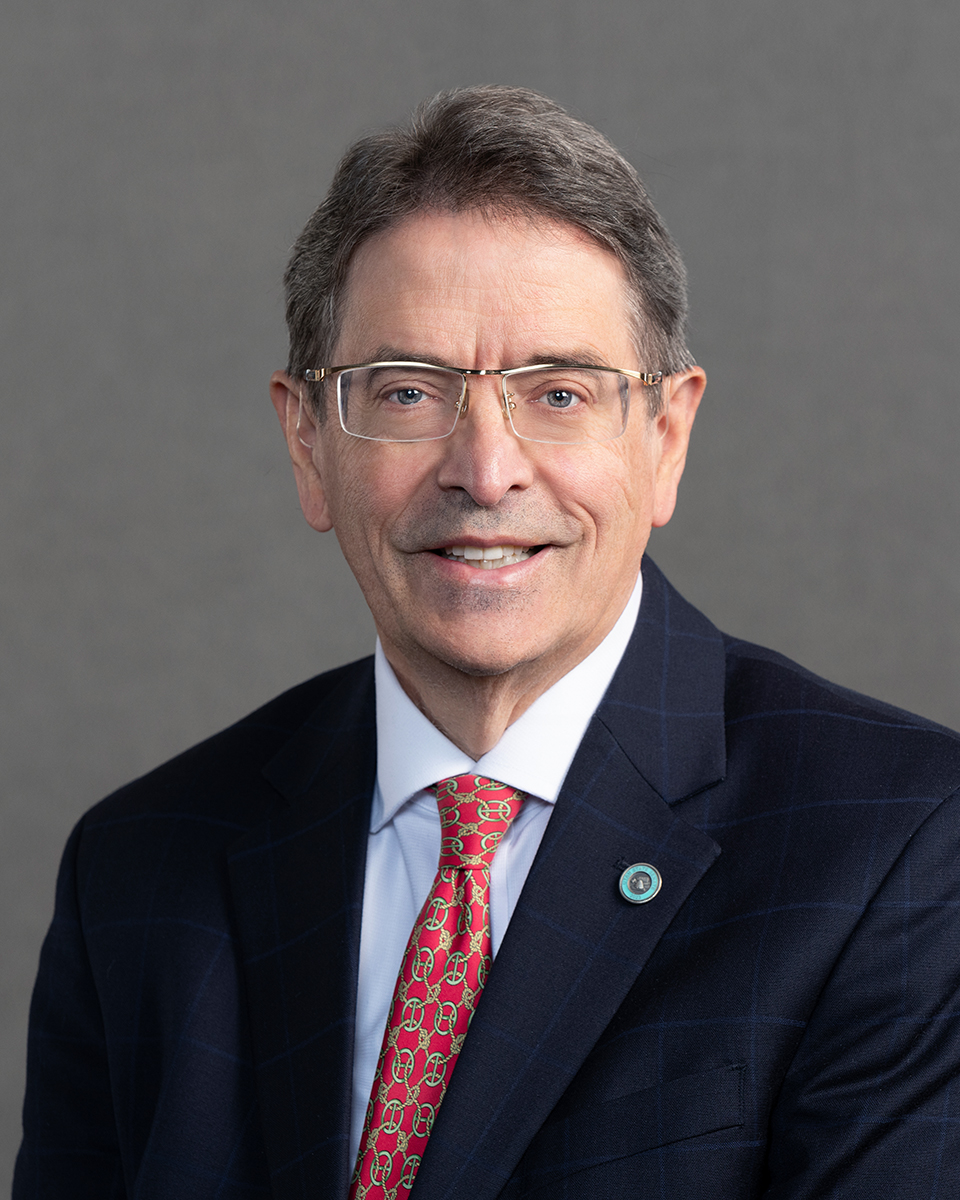
John Johnson
John Johnson Senate · District 3
R
Oppose
38% 8
Showing 1–10 of 17 bills

All education bills

passed · Utah · House Mar 7, 2026

HB 518: School Curriculum Amendments

HB 518 modifies Utah's social studies curriculum requirements for K-12 public schools. It mandates that American constitutional government and citizenship be taught as separate semester courses, and requires U.S. history to be taught as two distinct semester courses. The bill also prohibits students from repeating the same semester course for graduation, requires literacy coaches to integrate social studies content into literacy instruction, and mandates regular social studies instruction in elementary grades. Implementation must occur by July 1, 2031, and the bill repeals an adult education citizenship test.
in committee · Utah · Senate Mar 7, 2026

SB 294: Student Achievement Backpack

SB 294 creates a standardized digital "Student Achievement Backpack" for Utah K-12 students, providing a unified view of their academic progress across schools and programs. It requires the system to operate without transferring or storing student data (keeping records in original school systems), using a "visualization-only interface" to show existing data securely. The bill defines who can access this profile - students, parents, teachers, and administrators - and ensures it supports personalized learning, postsecondary planning, and seamless transitions between schools. It does not replace existing school data systems or alter current reporting requirements.
Sub-Topics K-12 Education
failed · Utah · Senate Mar 7, 2026

SB 291: Student Transportation Amendments

SB 291 amends Utah's student transportation rules to expand eligibility for state-funded bus service. It defines "hazardous routes" (e.g., high-speed roads without sidewalks, multi-lane highways, or dangerous intersections) and creates new eligibility: students in kindergarten-grade 6 living ≥1.5 miles from school, or students in middle school (grades 6-12) living ≥2 miles away. Crucially, it adds eligibility for students in certain counties if their walking route is hazardous, regardless of distance. The bill appropriates $500,000 for fiscal year 2027 to fund transportation for students on hazardous routes, requiring school districts to respond to parent petitions within 30 days. It takes effect July 1, 2026.
signed · Utah · Senate Mar 18, 2026

SB 241: Early Literacy

SB 241 establishes a statewide framework for early literacy in Utah public schools, directly affecting kindergarten through third-grade students, their schools, and educators. It sets a 2030 goal for 80% of third graders to read at grade level, requiring schools to provide individualized reading plans based on benchmark assessments and ban certain teaching methods like "three-cueing." The bill mandates science-of-reading training for teachers and school leaders, dedicates existing funding for literacy coaching (without new money), and ties school performance monitoring to third-grade reading outcomes. Key provisions include requiring retention in third grade for students not meeting benchmarks (with limited exemptions) and aligning teacher evaluations with literacy instruction standards.
signed · Utah · House Mar 19, 2026

HCR 11: Resolution Urging Healthy Activities in Schools

This non-binding resolution urges Utah public schools to prioritize student health by encouraging at least 60 minutes of daily physical activity for all K-12 students through existing programs like PE, recess, or classroom movement. It specifically recommends elementary schools (including charters) hold annual field trips to working farms or whole-food restaurants to teach nutrition and food systems. The resolution emphasizes local flexibility, allowing schools to implement these suggestions based on community needs without mandating specific methods. It does not allocate funds or create new legal requirements, instead serving as a policy recommendation aligned with national health guidelines.
in committee · Utah · Senate Mar 7, 2026

SB 253: Library Materials Amendments

SB 253 requires school districts (LEAs) to create and adopt a public library collection policy developed under a teacher librarian or certified language arts teacher. The policy must comply with existing law (Section 53G-10-103) and be posted online for public access. This bill directly affects school libraries by mandating transparent, staff-guided collection standards. It does not restrict specific materials but sets procedural requirements for how libraries build their collections. The bill is currently pending review by the Senate Rules Committee.
signed · Utah · House Mar 19, 2026

HB 467: Utah Fits All Scholarship Program Modifications

HB 467 modifies Utah's Fits All Scholarship Program to clarify eligibility and strengthen oversight. It requires students to be under 19 as of September 1 of the scholarship year and establishes consumer protection standards for how scholarship funds are spent. The bill also enhances program oversight, improves customer service standards for participants, and makes technical updates to program administration rules. These changes directly affect Utah students in kindergarten through 12th grade applying for the scholarship, ensuring clearer eligibility and better safeguards for scholarship funds. The bill does not appropriate new funds but adjusts existing program operations.
in committee · Utah · House Mar 7, 2026

HB 317: Social Health in Public Education Curriculum

HB 317 requires Utah public schools to include "social health" instruction in the mandated health curriculum, focusing on relationship-building skills, refusal techniques for unwanted advances, and situational safety awareness. The bill mandates abstinence-focused education while prohibiting instruction on sexual stimulation, contraceptive methods (except basic factual information), or advocacy for premarital sex. Schools must follow state guidelines, notify parents before adopting materials, and provide this instruction at least twice between grades 7-12. It directly affects all Utah public K-12 schools and their health curriculum content.
failed · Utah · Senate Mar 7, 2026

SB 169: High School Graduation Amendments

SB 169 ensures all Utah students who meet graduation requirements can participate in commencement ceremonies, including those in online programs (unless safety concerns prevent it). It requires school districts to allow this participation and gives the State Board of Education oversight to monitor local graduation policies. The bill does not change graduation requirements or standards but clarifies that students in online programs must have equal ceremony access. This policy affects all high school students earning diplomas, particularly those in remote learning environments.
signed · Utah · Senate Mar 19, 2026

SB 181: School Discipline Amendments

SB 181 sets safety standards for school seclusion rooms (locked or isolated areas used for student discipline) and creates a one-time grant program to help schools upgrade existing rooms. It requires minimum physical standards (room size, lighting, ventilation, unbreakable windows), mandates audio/video recording during seclusion with one-year retention, and prohibits dangerous objects. The grant program requires local schools to provide matching funds for compliance but forbids using funds to build new seclusion rooms. The bill directly affects Utah public and private K-12 schools, their staff, and students subjected to seclusion, integrating these standards into existing school policies and reporting requirements.
Showing 1 to 10 of 17 bills
1 2 Next