Issue · Criminal Justice

Criminal Justice (Violent Crime)

Every criminal justice bill, vote, and legislator stance in Utah, automatically classified by Maddy, our AI policy reader.

Total bills
2
2026 General Session
Top supporter
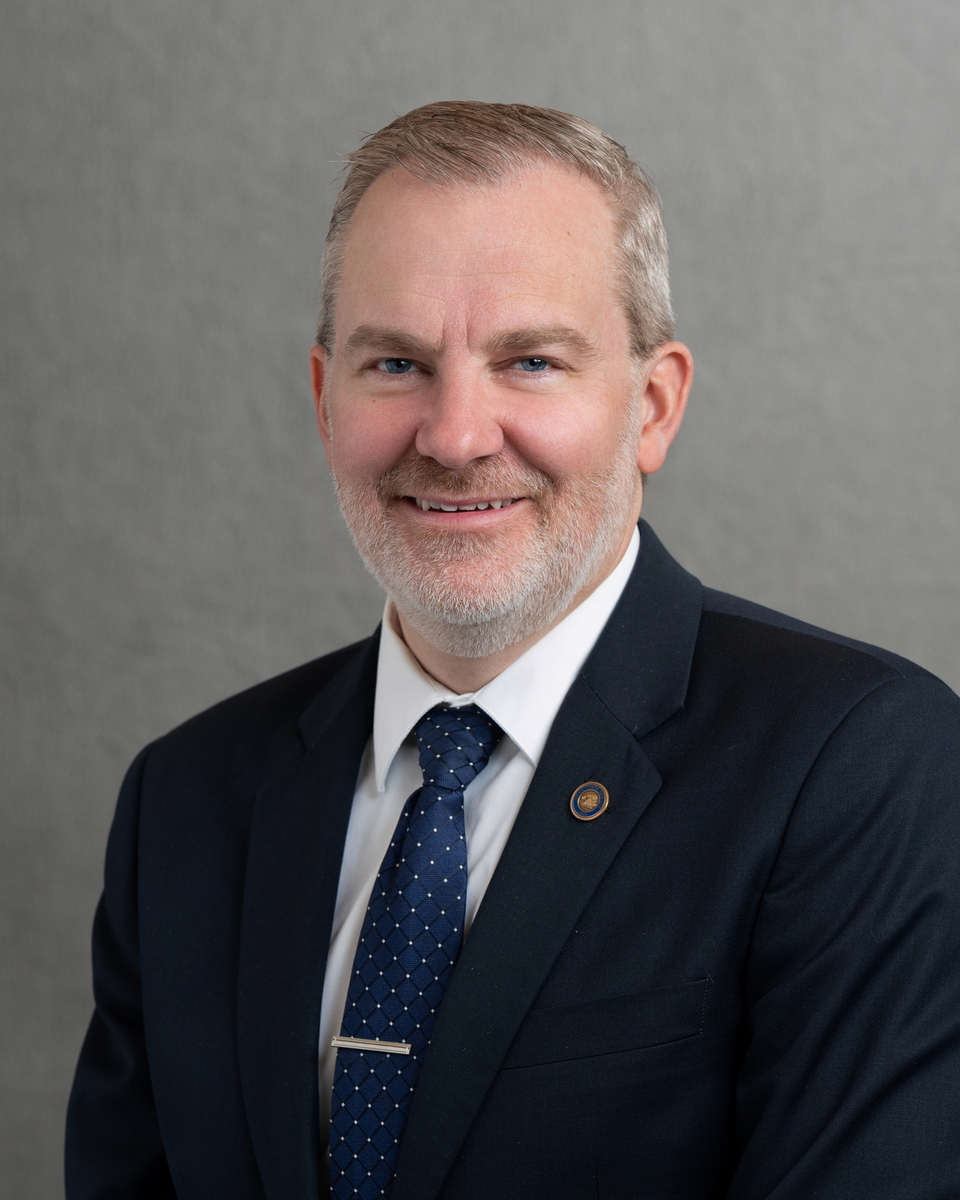
Dan McCay
100% support rate
Top opponent
Kathleen Riebe
0% support rate
Ranked legislators
9
5 support · 4 oppose
Key legislators

Who's moving violent crime in Utah

Legislators moving violent crime in Utah
Legislator Party Stance Support rate Votes
Dan McCay
Dan McCay Senate · District 18
R
Strong +
100% 4
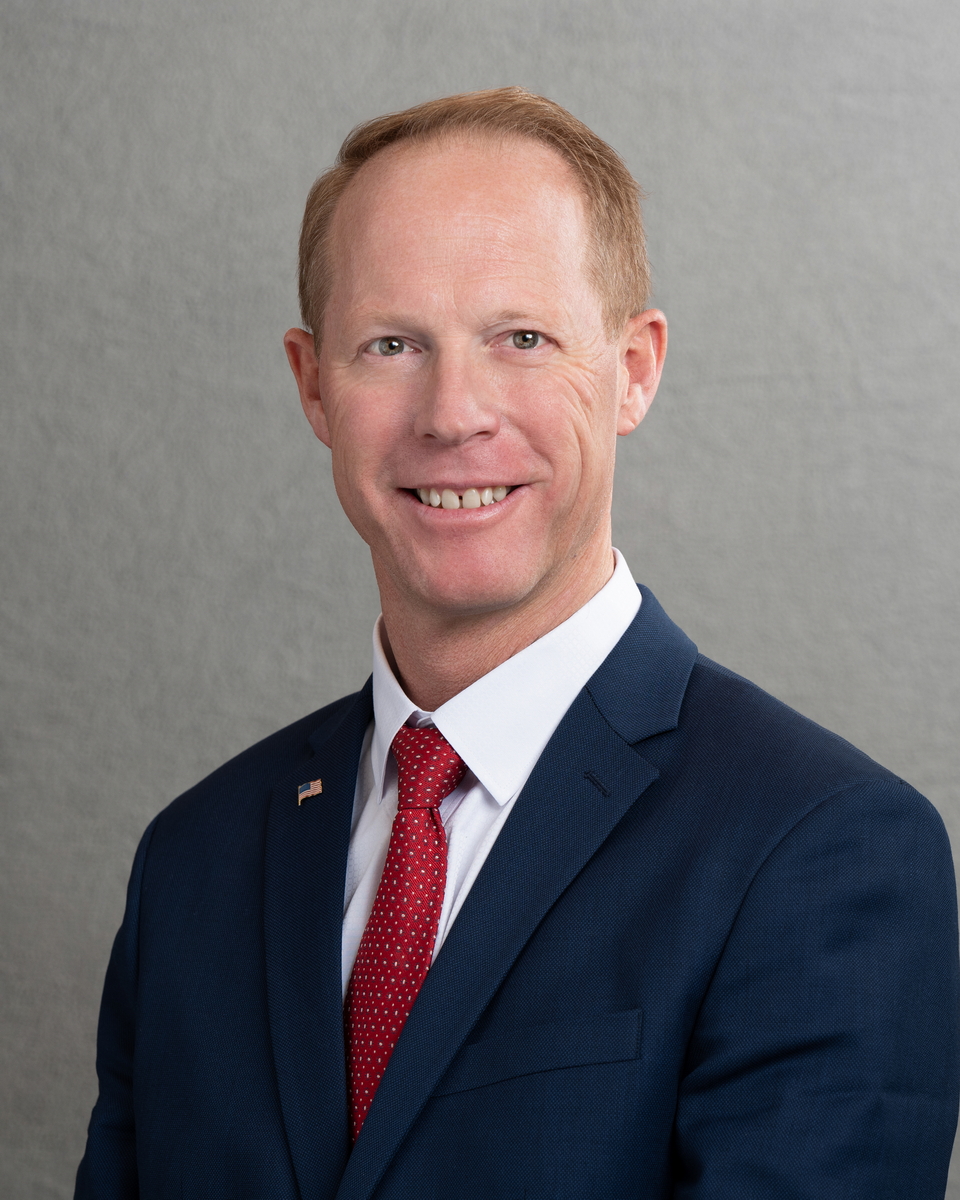
Lincoln Fillmore
Lincoln Fillmore Senate · District 17
R
Strong +
100% 4
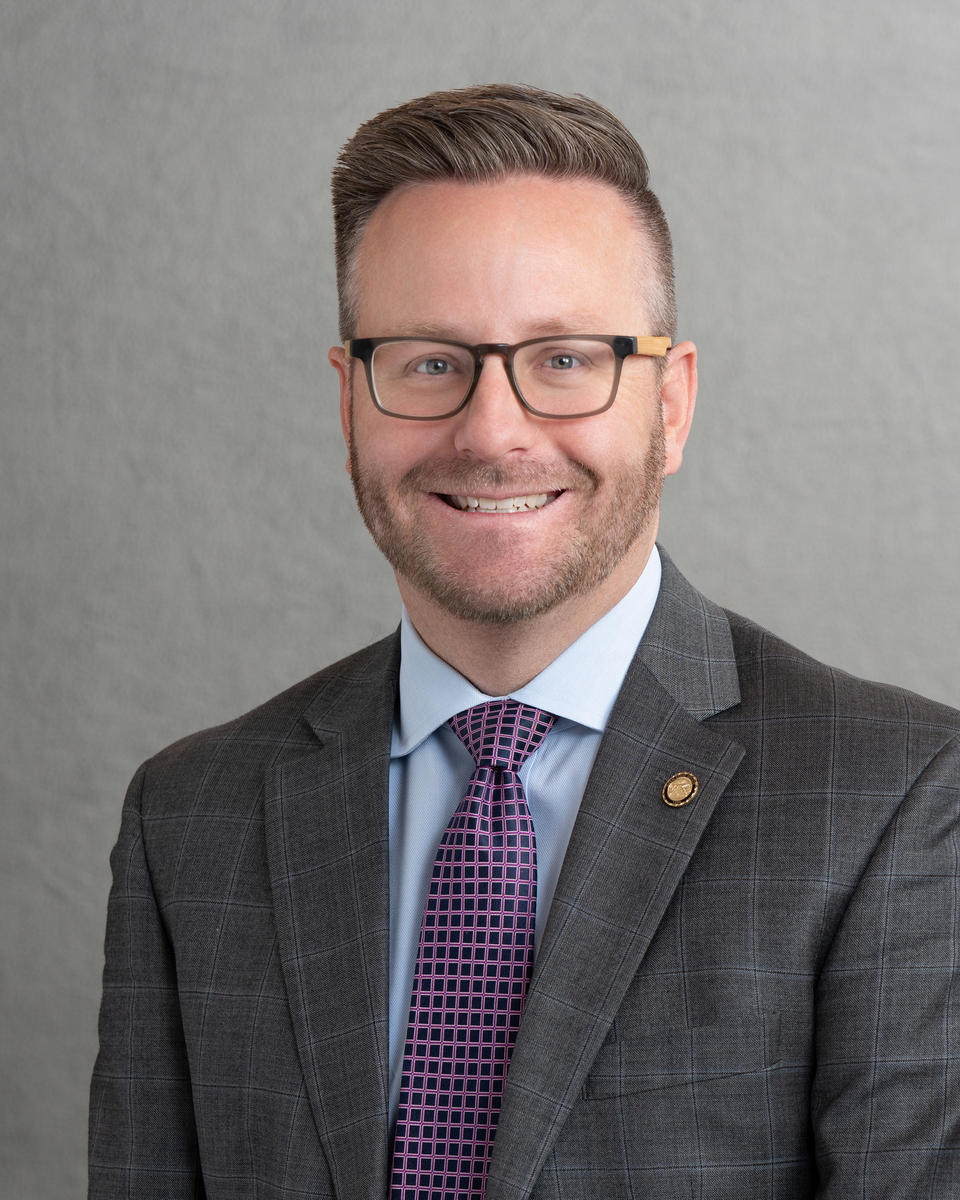
Keith Grover
Keith Grover Senate · District 23
R
Strong +
100% 3
Brady Brammer
Brady Brammer Senate · District 21
R
Support
75% 4
Chris Wilson
Chris Wilson Senate · District 2
R
Support
75% 4
Kathleen Riebe
Kathleen Riebe Senate · District 15
D
Strong −
0% 4
Stephanie Pitcher
Stephanie Pitcher Senate · District 14
D
Strong −
0% 4
Cal Musselman
Cal Musselman Senate · District 4
R
Oppose
25% 4
Nate Blouin
Nate Blouin Senate · District 13
D
Oppose
25% 4
Showing 2 of 2 bills

All criminal justice bills

signed · Utah · Senate Mar 23, 2026

SB 125: Theft Amendments

SB 125 amends Utah's theft of service law to clarify when prior convictions for theft, robbery, burglary, or fraud can increase penalties for stealing services like utilities, transportation, or accommodations. It specifically changes the rules for elevating theft of service to a third-degree felony (instead of a lesser charge) if the offender has two prior qualifying convictions within 10 years, or if the theft occurs on property where they were previously banned. The bill directly affects individuals committing service theft who have prior criminal records for specified offenses. It makes technical updates to the law without adding new funding or changing the core definition of theft of service. The changes take effect on May 6, 2026.
Sub-Topics Violent Crime
signed · Utah · House Mar 24, 2026

HB 284: Murder Offense Amendments

HB 284 amends Utah's murder statute to clarify that a person can be charged with murder under "depraved indifference" without needing specific intent to kill a particular individual. It expands the list of predicate offenses (like aggravated child abuse, kidnapping, or armed robbery) that can trigger murder charges when someone dies during or immediately after committing those acts. The bill also modifies sentencing by requiring courts to consider special mitigation or affirmative defenses (like reasonable belief of justification) that could reduce a murder conviction to manslaughter. This change directly affects individuals charged with murder under these specific circumstances, particularly in cases involving the listed predicate offenses.