Issue · Budget & Taxes

Budget & Taxes

Every budget & taxes bill, vote, and legislator stance in Utah, automatically classified by Maddy, our AI policy reader.

Total bills
111
2026 General Session
Top supporter
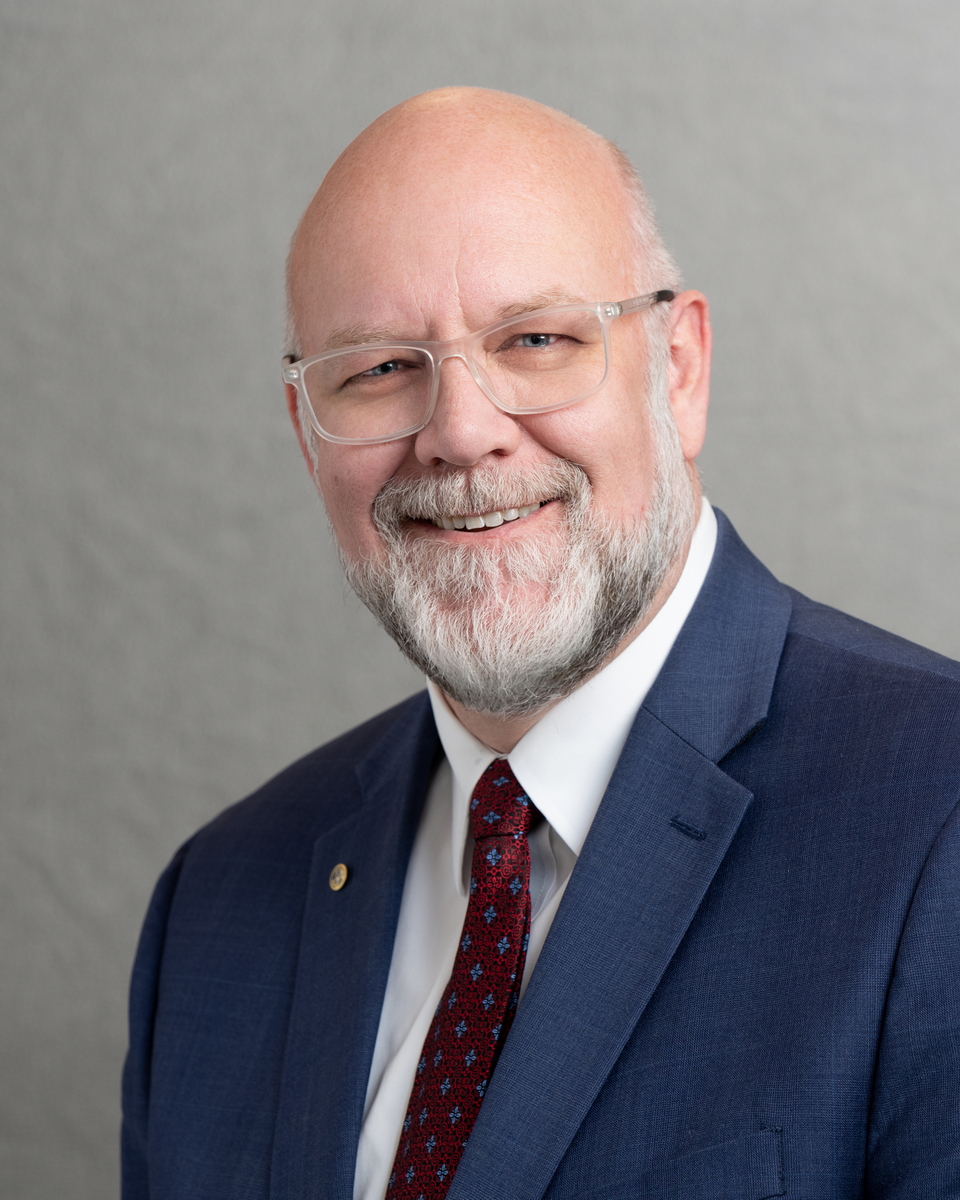
Mike McKell
95% support rate
Top opponent
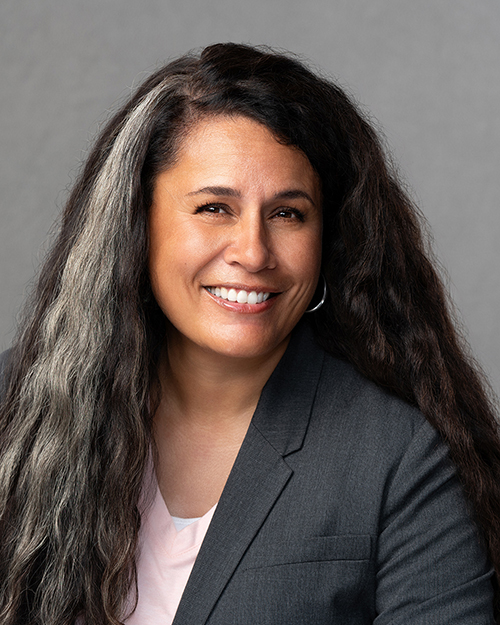
Leah Hansen
21% support rate
Ranked legislators
10
5 support · 5 oppose
Key legislators

Who's moving budget & taxes in Utah

Legislators moving budget & taxes in Utah
Legislator Party Stance Support rate Votes
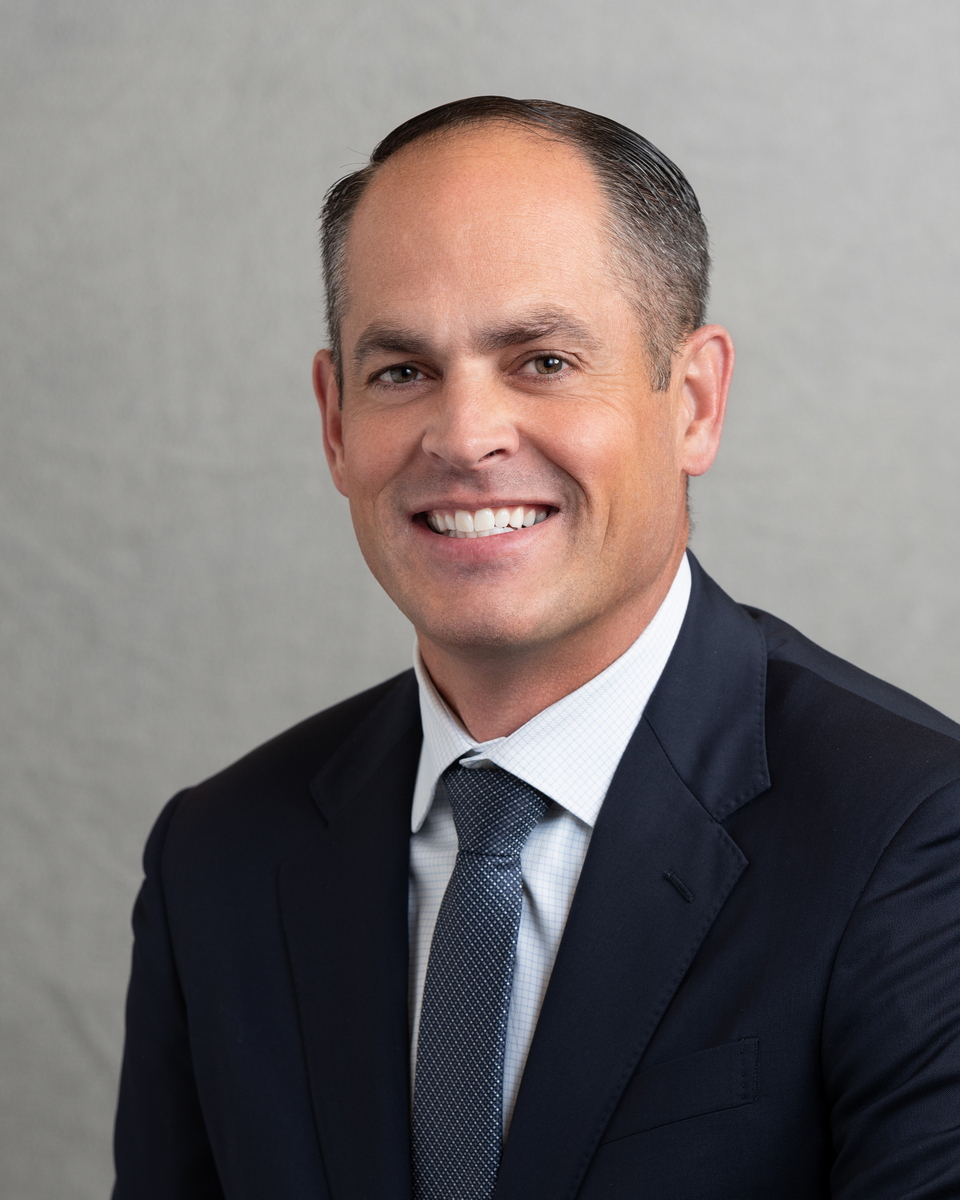
Mike McKell
Mike McKell Senate · District 25
R
Strong +
95% 94
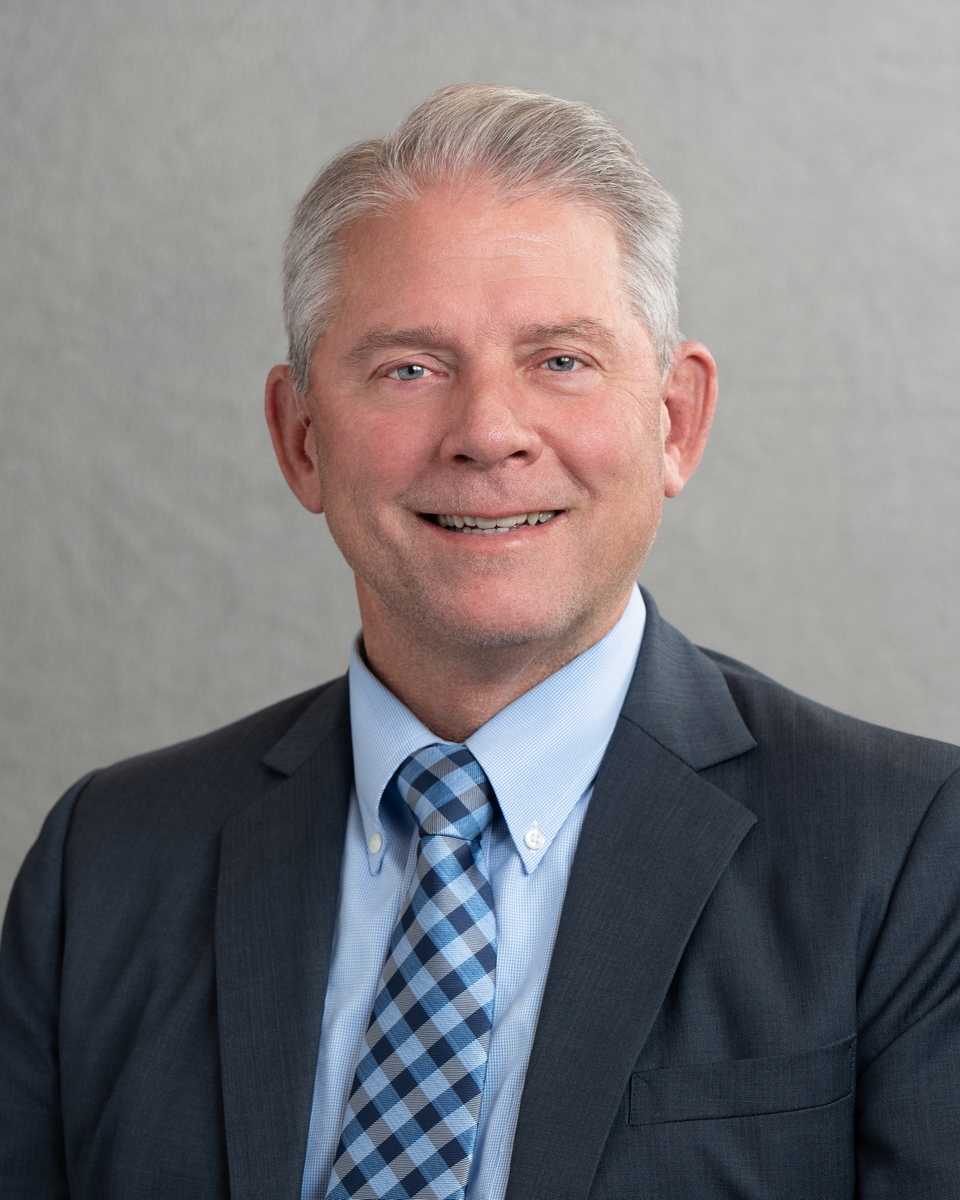
Todd Weiler
Todd Weiler Senate · District 8
R
Strong +
93% 109
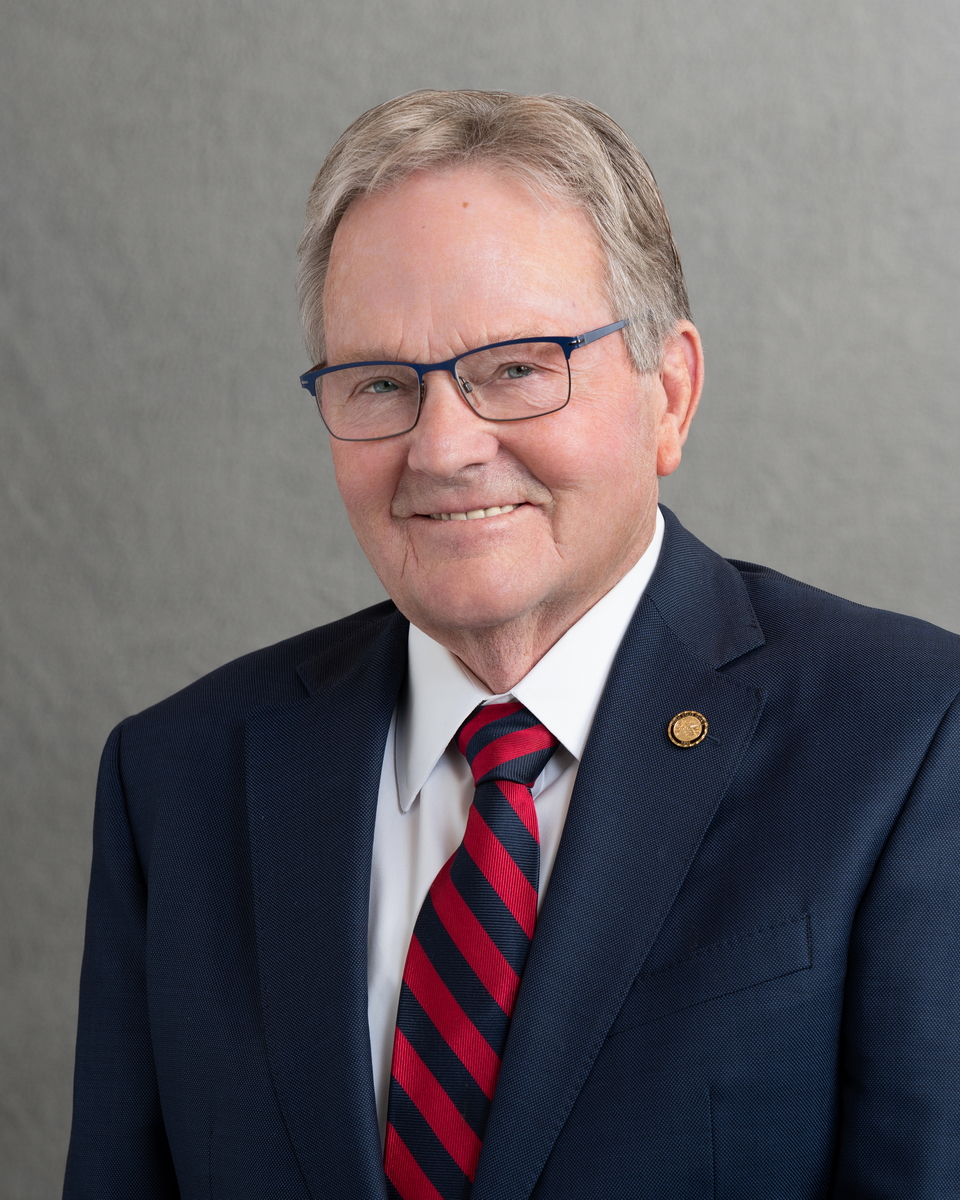
Jerry Stevenson
Jerry Stevenson Senate · District 6
R
Strong +
91% 88
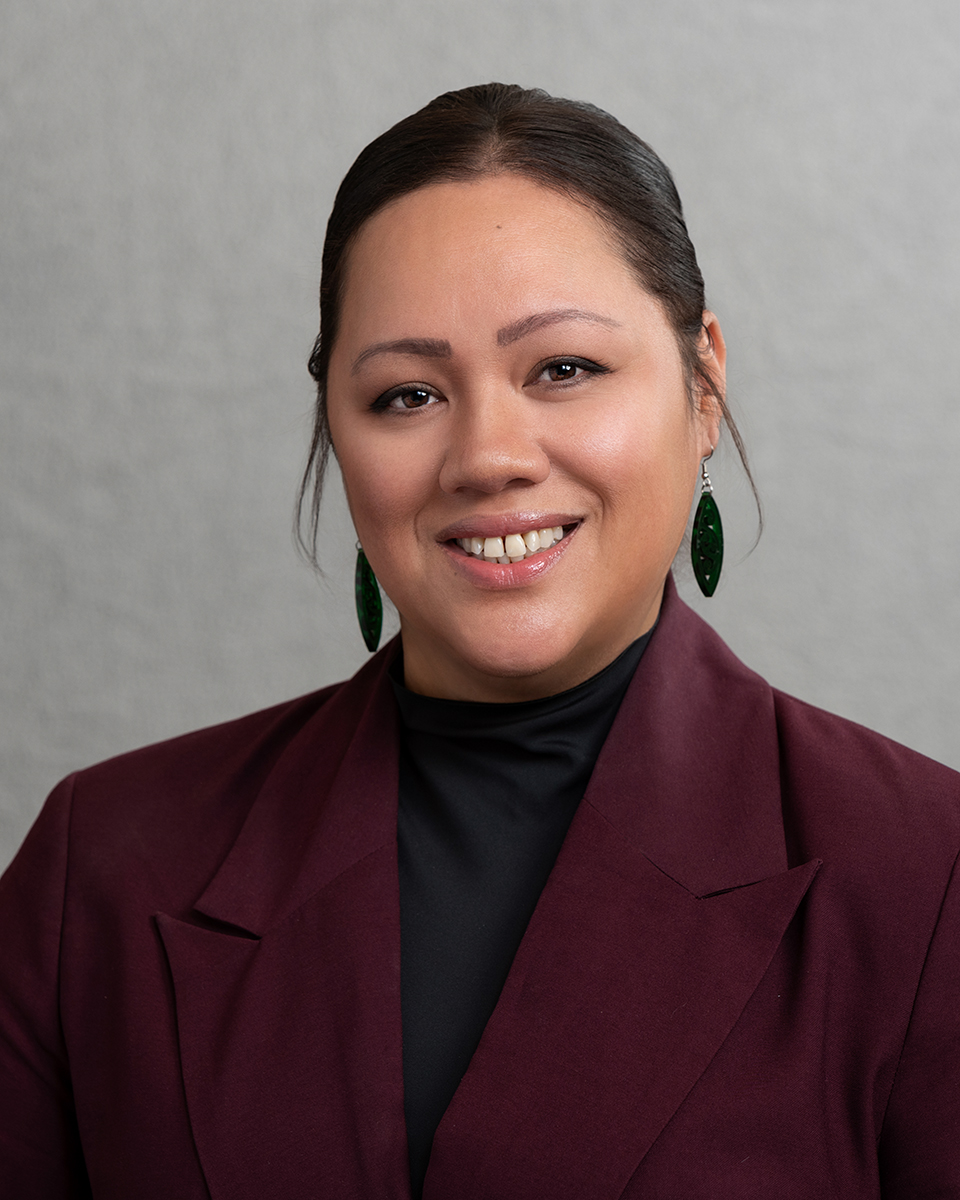
Verona Mauga
Verona Mauga House · District 31
D
Strong +
89% 83
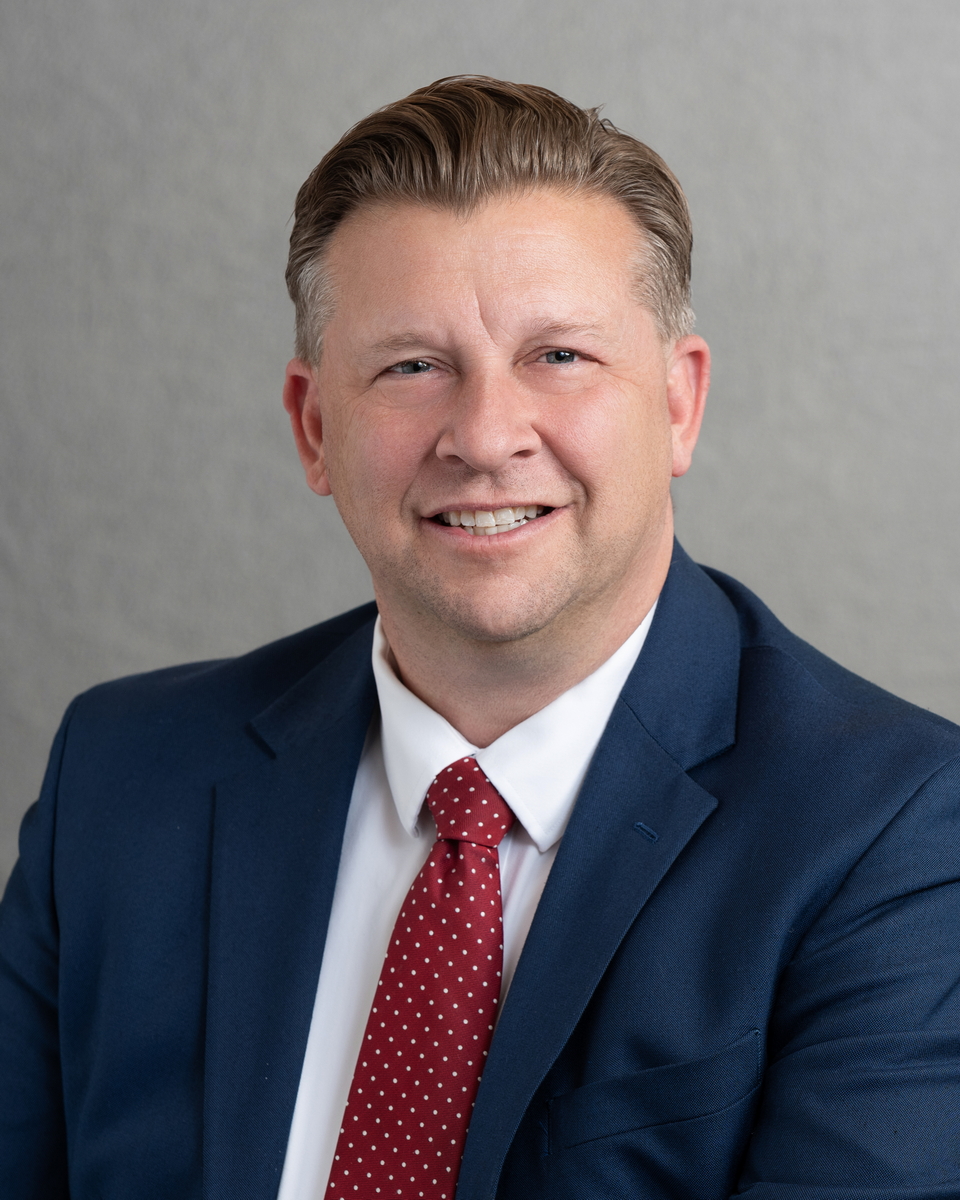
Doug Welton
Doug Welton House · District 65
R
Strong +
88% 81
Leah Hansen
Leah Hansen House · District 51
R
Oppose
21% 82
Rex Shipp
Rex Shipp House · District 71
R
Oppose
33% 82
Norm Thurston
Norm Thurston House · District 62
R
Oppose
39% 74
Tiara Auxier
Tiara Auxier House · District 4
R
Oppose
40% 74
Kathleen Riebe
Kathleen Riebe Senate · District 15
D
Mixed −
42% 108
Showing 91–100 of 111 bills

All budget & taxes bills

signed · Utah · House Mar 18, 2026

HB 324: Utah Marriage Commission Fee Amendments

HB 324 removes a $400,000 annual cap on funds the Utah Marriage Commission receives from county marriage license fees. It affects county clerks who collect marriage license fees, as they must now send all funds above $400,000 from these fees directly to the state General Fund instead of capping them for the Commission. The bill does not change existing $10 contributions for Children's Legal Defense or domestic violence shelters, which remain unchanged. This is a technical adjustment to fee distribution rules without creating new fees or altering other provisions.
Sub-Topics State Budget
in committee · Utah · House Mar 7, 2026

HB 282: Transportation Earmark Amendments

HB 282 amends Utah's tax code to redirect sales and use tax revenue previously earmarked for the Transportation Investment Fund of 2005 back into the state's General Fund. The bill changes Section 59-12-103 to ensure that specific tax revenues - originally designated for transportation projects - remain available for general state spending instead. This policy shift affects how the state allocates existing sales tax revenue, without creating new taxes or appropriations. The change applies to the tax base described in the amended statute, moving funds from a dedicated transportation fund to the broader General Fund.
failed · Utah · Senate Mar 7, 2026

SB 180: School Nutrition Amendments

SB 180 redirects 10% of Utah's liquor sales revenue to the Uniform School Fund to support school meal programs. It expands eligibility for free school lunches to include students from families earning at or below 200% of the federal poverty level, even if they don't qualify for the National School Lunch Program. The bill requires the State Board of Education to use at least 20% of these funds specifically for free lunches for these eligible students. This policy change uses existing liquor tax revenue without new appropriations to increase access to school meals for low-income Utah students in grades K-12.
passed · Utah · Senate Mar 7, 2026

SB 223: Sales and Use Tax Exemptions Modifications

SB 223 modifies Utah's sales and use tax exemptions to support renewable energy infrastructure development. It extends the tax exemption for equipment used to expand existing alternative energy power plants (like solar, wind, or geothermal facilities) and adds a new exemption for equipment that increases capacity at electric energy storage facilities (such as battery systems). This directly affects businesses building or upgrading renewable energy projects by reducing their upfront costs for qualifying equipment. The bill also includes minor technical adjustments to tax code definitions but does not appropriate new state funds.
passed · Utah · House Mar 7, 2026

HB 229: Restricted Account Modifications

HB 229 modifies rules for two state restricted accounts: the Tobacco Settlement Restricted Account and the Electronic Cigarette Substance and Nicotine Product Proceeds Restricted Account. It updates how funds are allocated when legislative appropriations exceed available revenue (requiring sequential, partial funding until exhausted) and adds a sunset review requirement for electronic cigarette account provisions before their automatic repeal. The bill makes technical corrections to ensure consistency but does not appropriate new money. These changes primarily affect state agencies that manage tobacco-related funding, including the Department of Health and Human Services and the State Tax Commission.
failed · Utah · House Mar 7, 2026

HB 298: School Design Amendments

HB 298 requires Utah's State Board of Education to create and maintain a public library of standardized school building designs for elementary, middle, high, and multi-level schools. School districts and charter schools must own and submit publicly funded designs to this library, while also using the library for new construction projects. The bill mandates life-cycle cost analysis, safety compliance, cost transparency, and competitive bidding for design fees, with designs required to meet accessibility standards and adapt to local needs. This directly affects all Utah public school districts, charter schools, and architects/engineering firms working on school construction projects.
Sub-Topics Procurement Libraries
introduced · Utah · House Mar 7, 2026

HB 189: Technical Colleges Funding Amendments

HB 189 requires Utah's Higher Education Appropriations Subcommittee to adjust funding formulas for technical colleges to ensure they provide equal funding value for secondary and adult students and fully account for the colleges' statutorily required services. This change, effective May 6, 2026, directly affects how state funds are distributed to Utah's technical colleges. The bill does not appropriate new money but mandates specific adjustments to existing funding mechanisms to better align with institutional responsibilities and workforce needs. It amends Section 53H-1-402 of Utah Code to formalize these requirements in funding calculations.
introduced · Utah · House Mar 7, 2026

HB 427: Tax Increment Financing Modifications

HB 427 modifies Utah's tax increment financing (TIF) process for public entities like cities, counties, and special districts. Starting July 1, 2026, these entities must hold a public meeting to discuss their TIF application and submit it to the Governor's Office of Economic Opportunity for review. The bill requires applicants to include a "but-for analysis" proving the project needs TIF to proceed, and mandates that excess TIF revenue must be used to pay down debt instead of general funds. It also requires public disclosure of application details and defines key terms to standardize the process. This bill affects local governments seeking to fund development projects using future tax revenue growth.
Sub-Topics Revenue
signed · Utah · House Mar 23, 2026

HB 447: Tobacco Amendments

HB 447 allows remote sales (online, phone, mail) of cigars and pipe tobacco in Utah while establishing new regulatory requirements. It directly affects remote sellers of these products, requiring them to obtain licenses, post bonds, collect state taxes, and comply with reporting rules. The bill creates specific licensing and tax collection mechanisms for these transactions, with criminal penalties for non-compliance. It does not appropriate new funds and updates Utah's tobacco tax code to include these remote sales channels. The law applies to all consumers purchasing cigars or pipe tobacco online within Utah.
Sub-Topics Procurement
introduced · Utah · House Mar 7, 2026

HB 198: Educator Salary Adjustment

HB 198 repeals a provision tying educator salary adjustments to the funding status of Utah's Fits All Scholarship Program. The bill removes the condition that would have reduced salary adjustments from $10,350 to $5,175 if the scholarship program was not funded, ensuring all eligible educators receive the full $10,350 adjustment for fiscal year 2026 regardless of the scholarship program's status. It affects school districts, charter schools, regional education service agencies, and Utah Schools for the Deaf and the Blind that employ educators covered under the bill (including teachers, counselors, librarians, and specialists). The change takes effect July 1, 2026, with no new funding added - only a technical adjustment to the existing salary calculation mechanism.
Showing 91 to 100 of 111 bills
Previous 1 9 10 11 12 Next