

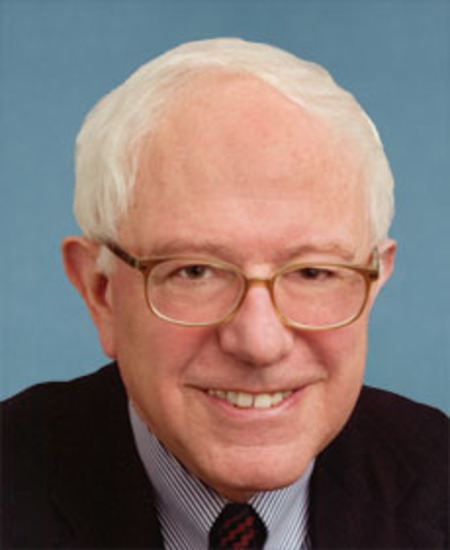
Maddy summaryThis bill authorizes a study to evaluate whether Vermont's Nulhegan River (22 miles) and Paul Stream (18 miles) should be designated as protected Wild and Scenic Rivers. It specifically adds these two river segments - including their associated tributaries - to the list of areas eligible for study under the Wild and Scenic Rivers Act. The bill requires the Secretary of the Interior to complete the study within three years of funding and submit a report to Congress detailing the findings. The study itself is the only immediate action; it does not protect the rivers or change current management, but could lead to future protections if recommended.
Sponsored bills
Maddy summaryS 5588, the Keep It in the Ground Act of 2024, prohibits new oil and gas leasing on all federal lands and waters, including the Gulf of Mexico, Atlantic, Pacific, and Arctic oceans, and bans renewals or extensions of nonproducing leases (leases that haven’t extracted fossil fuels). It directly affects oil and gas companies seeking to develop federal fossil fuel projects. The law requires the Secretary of the Interior to cancel existing leases in the Beaufort, Cook Inlet, and Chukchi Seas within 60 days of enactment. Exceptions only apply for imminent national security threats or to avoid breach-of-contract lawsuits. The bill aims to prevent emissions from federal fossil fuel reserves by keeping 90% of potential emissions underground.
Maddy summaryS 5567, the SAFE SEX Workers Study Act, mandates two federal studies to examine how the 2018 SESTA/FOSTA law impacted sex workers' health and safety. The bill requires the Health and Human Services Secretary to study changes in sex workers' access to safety tools (like client screening), violence exposure, housing stability, and health risks (including HIV transmission), focusing on vulnerable groups like transgender women of color. Simultaneously, the Attorney General must assess how SESTA/FOSTA affected human trafficking investigations and prosecutions, including disparities for marginalized communities. Both studies will involve interviews with service organizations and report findings to Congress within one year of the bill's enactment. The bill does not change laws but seeks data to inform future policy.
Maddy summaryS 2645, the Preventing HEAT Illness and Deaths Act of 2024, establishes a National Integrated Heat Health Information System and an interagency committee to coordinate federal efforts addressing extreme heat health risks. The bill requires a strategic plan for improving heat health information sharing and planning, with priority for communities disproportionately affected by heat, including low-income areas, communities of color, Tribal nations, and vulnerable populations like outdoor workers and the elderly. It authorizes $10 million in fiscal year 2024 and increasing annual funding through 2028 for community resilience projects such as urban cooling centers, tree planting, and heat response planning. The legislation also mandates a study to identify gaps in heat information systems and recommends improvements in data collection about heat-related health impacts. This bill focuses on creating coordinated federal action to reduce heat-related health risks through improved information sharing, research, and community support.
Maddy summaryThe Improving Access to Workers’ Compensation for Injured Federal Workers Act (S 131) expands healthcare provider options for federal employees injured on the job by adding nurse practitioners and physician assistants to the list of eligible providers under the Federal Employees’ Compensation Act. It amends the law to define "other eligible provider" as these professionals, within their state-authorized scope of practice, allowing injured workers to seek treatment from them without requiring a physician referral. The bill updates related sections of the law to replace "physician" with "physician or other eligible provider" in key provisions. Regulations implementing these changes must be finalized within six months of the bill’s enactment.
Maddy summaryThe Mapping Housing Discrimination Act (S 5534) provides federal grants to universities and minority-serving institutions to digitize and map historic housing discrimination records dating back to 1850. It directly affects educational institutions (via competitive grants) and local governments (through required partnerships for digitizing deeds), focusing on records showing racial covenants, discriminatory language in property agreements, or laws permitting housing bias against protected classes. Key mechanisms include standardized data collection for a national public database, mandatory metadata reporting, and funding for tools to identify discriminatory clauses in historical documents. The database will include spatial datasets of documented discrimination patterns, making all collected records freely available online. The bill does not alter current fair housing laws but creates a centralized resource for historical analysis.
Maddy summaryS 5523 clarifies U.S. government assistance programs focused on destroying landmines, unexploded ordnance, and securing weapons stockpiles in partner countries. It authorizes the Department of State to fund humanitarian demining (clearing landmines to return land to farming and development) and secure weapons destruction (preventing diversion to terrorists and reducing accidental explosions). This directly affects over 120 countries receiving U.S. assistance since 1993, including civilians in conflict zones who benefit from cleared land, risk education, and safer communities. The bill codifies existing practices by specifying that these programs aim to improve food security, reduce migration drivers, and strengthen security partnerships without adding new funding.
Maddy summaryThe Buy Green Act of 2024 establishes a $1.5 trillion Clean Energy Fund to promote the procurement of environmentally responsible products across government and industry. It requires Federal agencies to purchase covered products (including zero-emission vehicles, energy-efficient appliances, and low-carbon building materials), with 20% of funds allocated to small businesses and covered small businesses. The bill sets labor standards including a minimum wage of $17/hour (with annual increases), fair scheduling requirements, and preferences for hiring from frontline communities. States, tribes, and local governments can apply for grants to purchase covered products, with priority given to school bus electrification in disadvantaged communities. An Oversight Advisory Board will monitor implementation to ensure compliance with environmental and labor requirements.
Maddy summaryThis bill authorizes the posthumous award of a Congressional Gold Medal to Shirley Chisholm, the first African-American woman elected to Congress (1968-1982) and the first African American to seek a major party's presidential nomination (1972). The bill directs the Secretary of the Treasury to design and strike a gold medal featuring Chisholm's image and name, which will be presented to her family by congressional leaders. After presentation, the medal will be displayed at the Smithsonian Institution for public viewing and research. The bill also authorizes the production and sale of bronze duplicates to cover costs. This is a commemorative measure honoring Chisholm's historic contributions to American politics and civil rights.
Maddy summaryThe Forgotten Heroes of the Holocaust Congressional Gold Medal Act (S. 91) authorizes the award of a single Congressional Gold Medal to 60 diplomats who risked their careers and safety to save Jewish lives during the Holocaust. These diplomats, representing countries including Sweden, Switzerland, Spain, Portugal, and others, issued visas and provided safe passage to Jews fleeing Nazi persecution despite strict orders from their home governments. The medal will be presented collectively to the next of kin of each diplomat, along with representatives from their home countries, and then permanently displayed at the United States Holocaust Memorial Museum. The act recognizes these individuals' bravery without implying they represent all who performed similar humanitarian acts during the Holocaust. The medal serves as a permanent tribute to their sacrifice and will be available for public display and research.