

Maddy summaryThis bill would require Members of Congress, their spouses, and dependent children to stop trading or holding certain investments (called "covered investments") and instead place them in "qualified blind trusts" or divest them by specific deadlines. It defines covered investments broadly to include stocks, commodities, and derivatives, but excludes diversified mutual funds, government bonds, and some business interests. The bill sets different deadlines for different groups (e.g., 90 days after enactment for existing holdings, 120 days for new holdings) and establishes civil penalties for non-compliance, including penalties equal to 10% of the value of non-compliant holdings. It also requires public reporting of financial disclosures and establishes procedures for oversight by ethics offices.
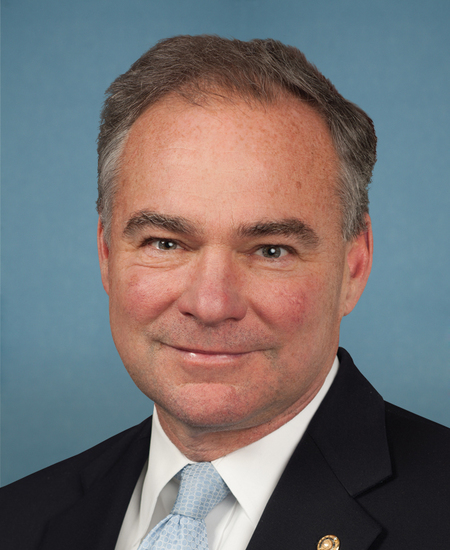
Sponsored bills
Maddy summarySRES 933 is a Senate resolution calling on the United Nations Security Council to enforce the existing arms embargo on Darfur and extend it to cover all of Sudan, including dual-use equipment like items usable for both civilian and military purposes. It also urges the UN to strengthen sanctions enforcement against violators and create mechanisms for humanitarian aid and civilian protection. The resolution directs the U.S. government to support monitoring of weapons deliveries, improve tracking of arms flows, and work with international partners to pressure Sudan’s warring parties. This resolution directly addresses the UN Security Council and U.S. agencies, aiming to address ongoing conflict and atrocities documented since the April 2023 Sudan war began.
Maddy summaryThe Countering Violence in the Western Hemisphere Act requires U.S. agencies to address gender-based violence (GBV) across the Western Hemisphere through concrete policy changes. It directs USAID to fund women-led organizations working to prevent and respond to GBV, expand economic empowerment programs for women, and train local law enforcement on GBV investigations and reporting. The bill also mandates that the U.S. include detailed GBV descriptions in annual human rights reports, contribute $2 million yearly to a UN fund ending violence against women, and produce a report on GBV’s role in migration. These provisions apply to U.S. agencies (like USAID and the State Department) and their partners in the Western Hemisphere, focusing on actionable programs rather than speculative outcomes.
Maddy summaryThe MAGNET Act creates a new grant program to help magnet schools promote racial and socioeconomic diversity in education. It provides funding for evidence-based practices like weighted lotteries for enrollment, free transportation, culturally responsive curricula, and inclusive family engagement. Schools receiving these grants must report on diversity metrics, academic outcomes, and progress in reducing segregation, particularly in highly segregated districts. The grants can be used for up to 5 years with a maximum of $7.5 million per recipient. The bill targets improving educational opportunities for students of color and low-income students in segregated schools through concrete policy changes to magnet school programming.
Maddy summaryThe Homebuyers Privacy Protection Act (S 3502) limits how consumer credit reports can be shared during mortgage applications. It prevents credit reporting agencies from sending these reports to third parties solely based on a mortgage-related request, unless the third party has the homebuyer's explicit authorization or is directly involved in the loan (like the mortgage lender, loan servicer, or their bank holding the homebuyer's account). This directly affects homebuyers applying for residential mortgages by restricting unauthorized sharing of their credit data. The bill amends the Fair Credit Reporting Act to add these privacy protections without creating new government programs or altering existing mortgage processes.
Maddy summaryThe Protecting Global Fisheries Act of 2024 authorizes the U.S. President to impose sanctions on foreign individuals, entities, or vessels engaged in illegal, unreported, or unregulated fishing or the illegal trade of endangered species. Sanctions include blocking property, denying U.S. entry, restricting port access, and prohibiting U.S. financial transactions. The bill requires annual reports to Congress on sanctions implementation and efforts to combat such fishing, with specific focus on activities linked to the People’s Republic of China. It also modifies prior law to remove geographic restrictions on bilateral maritime agreements, expanding U.S. diplomatic engagement to address global fishing violations.
Maddy summaryThis bill requires NASA to reimburse the Town of Chincoteague, Virginia, for costs related to relocating three contaminated drinking water wells currently on NASA property. It authorizes NASA to enter a 5-year agreement with the town to cover expenses like planning, engineering, property acquisition, and building new wells on town-controlled land. The agreement must detail the relocation site and costs, and NASA must report the plan to Congress within 18 months. The policy directly affects Chincoteague residents by addressing contaminated water sources on NASA-administered land.
Maddy summaryThis bill reauthorizes U.S. anti-trafficking efforts through 2027, requiring U.S. representatives at international development banks to integrate counter-trafficking measures into projects in high-risk countries. It expands USAID's prevention efforts by mandating anti-trafficking components in development programs across health, education, economic development, and humanitarian assistance. The bill also clarifies which foreign assistance can be withheld from countries not meeting anti-trafficking standards, expands protections for domestic workers of diplomatic visa holders, and modifies the Program to End Modern Slavery. These changes affect U.S. agencies (State Department, USAID), foreign governments receiving aid, and vulnerable populations affected by trafficking.
Maddy summaryS 5523 clarifies U.S. government assistance programs focused on destroying landmines, unexploded ordnance, and securing weapons stockpiles in partner countries. It authorizes the Department of State to fund humanitarian demining (clearing landmines to return land to farming and development) and secure weapons destruction (preventing diversion to terrorists and reducing accidental explosions). This directly affects over 120 countries receiving U.S. assistance since 1993, including civilians in conflict zones who benefit from cleared land, risk education, and safer communities. The bill codifies existing practices by specifying that these programs aim to improve food security, reduce migration drivers, and strengthen security partnerships without adding new funding.
Maddy summaryThis bill authorizes the posthumous award of a Congressional Gold Medal to Shirley Chisholm, the first African-American woman elected to Congress (1968-1982) and the first African American to seek a major party's presidential nomination (1972). The bill directs the Secretary of the Treasury to design and strike a gold medal featuring Chisholm's image and name, which will be presented to her family by congressional leaders. After presentation, the medal will be displayed at the Smithsonian Institution for public viewing and research. The bill also authorizes the production and sale of bronze duplicates to cover costs. This is a commemorative measure honoring Chisholm's historic contributions to American politics and civil rights.