

Maddy summarySJRES 79 is a joint resolution that would block a Department of Labor rule published in April 2024. The rule would have required financial advisors to act in the best interest of retirement account holders when providing investment advice, expanding the scope of who must meet this standard. If passed, the resolution would prevent the rule from taking effect by invoking a congressional disapproval process under Title 5, U.S. Code. This directly affects retirement advisors and the standards they must follow when giving retirement investment guidance.
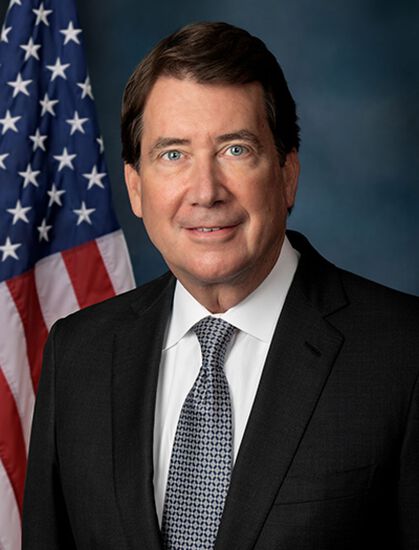
Sen. Bill Hagerty
Sponsored bills
Maddy summaryThis bill (SJRES 83) seeks to block a rule issued by the Bureau of Alcohol, Tobacco, Firearms, and Explosives (ATF) that redefined who qualifies as a "dealer in firearms" under federal law. The rule, published in the Federal Register on April 19, 2024, would have changed how the ATF identifies and regulates firearm sellers. If passed, the resolution would make the rule invalid, preventing it from taking effect and leaving current dealer regulations unchanged. This directly affects firearm dealers (particularly small businesses and hobbyists) and the ATF’s enforcement authority under existing law.
Maddy summarySenate Joint Resolution 57 seeks congressional disapproval of a Treasury Department rule that set guidelines for the Coronavirus State and Local Fiscal Recovery Funds, a program distributing over $350 billion to state and local governments to address pandemic-related economic impacts. The rule, published in November 2023 (88 Fed. Reg. 80584), outlined specific requirements for fund usage. If enacted, this resolution would nullify the rule, preventing it from taking effect and requiring the Treasury to revert to prior administrative guidelines for distributing the funds. The resolution directly affects how the Treasury manages the program and how states and localities access pandemic recovery funds.
Maddy summaryThis resolution (SRES 692) designates May 7, 2024, as National Fentanyl Awareness Day to raise public attention about the dangers of counterfeit fentanyl pills. It highlights alarming statistics, including that illicit fentanyl was involved in 81% of drug-induced deaths among youth aged 14-23 in 2023 and that only 36% of teens were aware of fentanyl in fake pills. The resolution does not create new laws or funding but urges increased awareness and supports law enforcement efforts against counterfeit pills. It directly aims to educate families and young people about the risks of fake pills marketed as legitimate medications.
Maddy summaryThis bill establishes a federal grant program to fund state and local law enforcement agencies (including tribal entities) to hire officers, combat specific crimes, and improve public safety operations. Key provisions include funding for hiring bonuses, combating interstate child trafficking, prioritizing sentences for repeat violent offenders, using bail/pretrial detention for dangerous individuals, targeting drug/fentanyl crimes, detaining noncitizens with criminal records, reducing evidence backlogs, and addressing vehicle thefts. At least 25% of funds must go to agencies in rural counties, and it redirects unobligated balances from existing crime programs to support these initiatives. The bill also requires a GAO study on rape kit processing deficiencies in law enforcement agencies.
Maddy summaryThis resolution (SRES 682) condemns the Biden Administration's decision to pause specific weapons shipments to Israel, including 1,800 2,000-pound bombs and 1,700 500-pound bombs, as reported on May 7, 2024. It demands the administration immediately resume military aid to Israel to support its defense against threats from Hamas and Iran. The resolution reaffirms the U.S. historical commitment to providing military assistance to Israel, citing over $158 billion in aid since World War II. As a symbolic Senate resolution, it does not change policy but formally opposes the pause in weapons transfers.
Maddy summaryThis bill amends two existing laws to prevent U.S. funding for United Nations agencies that grant Palestine any status, rights, or privileges beyond its current observer status. It directly affects U.S. foreign aid decisions by requiring the State Department to withhold funds from UN bodies that elevate Palestine's standing. The key mechanism replaces "full membership" with "any status, rights, or privileges beyond observer status" in two funding provisions. The bill explicitly excludes Taiwan from these restrictions. (Procedural bill; 4 sentences)
Maddy summaryThis bill increases the death gratuity for federal employees killed in the line of duty to $100,000 (adjusted annually for inflation) and raises the funeral expense allowance from $800 to $8,800 (also adjusted annually). It establishes a clear order for distributing payments: first to a beneficiary designated by the employee, then to the surviving spouse, children, parents, or estate. These changes apply to all federal employees, including those serving abroad, and prevent double payments by coordinating with existing benefits.
Maddy summaryThis resolution (SRES 677) is a symbolic gesture recognizing U.S. teachers' contributions to civic, cultural, and economic well-being. It thanks teachers for their work, especially amid challenges like pandemic learning loss and student mental health support, and encourages students, parents, and officials to observe National Teacher Appreciation Week (May 6-10, 2024). The resolution has no binding effect or policy changes - it solely promotes public acknowledgment of teachers during this annual observance. It directly affects teachers nationwide by affirming their role in national well-being through a non-binding Senate statement.
Maddy summaryThis bill requires the U.S. State Department and Defense Department AUKUS coordinators to work directly with Japan within 90 days to assess Japan's export control system and potential cooperation on AUKUS Pillar Two (advanced defense technology projects). It mandates a joint briefing to Congress within 30 days of this engagement and a full report within 180 days evaluating Japan's readiness, including its export licensing processes, security protocols, and needed reforms. The bill focuses on determining whether Japan can effectively partner with the U.S., Australia, and the U.K. on sensitive technology projects under AUKUS Pillar Two. It does not create new partnerships but establishes a structured process to evaluate Japan's eligibility.