

Maddy summaryThis bill would require the President to restrict natural gas exports to lower domestic energy prices. It amends federal law to prohibit most natural gas exports, with limited exemptions for national security or strategic alliances (like exports to allied nations), but these exemptions would need Congressional approval. The bill cites studies showing that increased natural gas exports raise domestic prices, costing households and businesses billions annually. This policy change would directly affect natural gas producers and exporters, while aiming to reduce energy costs for American consumers.
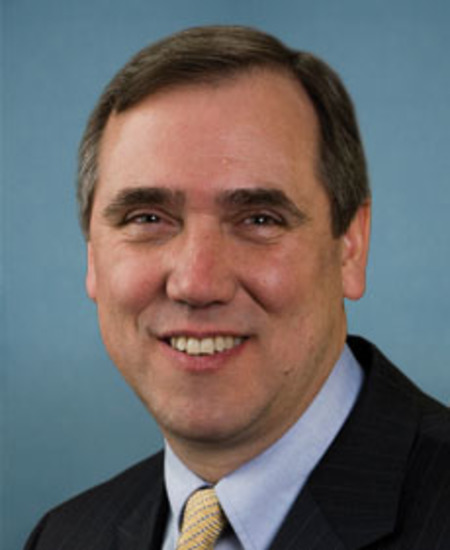
Sen. Jeff Merkley
Sponsored bills
Maddy summaryThis bill reauthorizes a federal program providing funding for wildlife crossings - such as overpasses or underpasses - to help animals safely cross roads. It authorizes $100 million annually from 2027 through 2031 from the Highway Trust Fund, making the program permanent (removing "pilot" language). Key provisions include requiring 90% federal funding for projects in small, rural, or disadvantaged communities (up to 100% if financial hardship exists) and allocating 0.5% of funds yearly to help tribes and other eligible groups apply for and access program funding more efficiently. The bill directly affects communities and tribes seeking to build wildlife crossings near highways.
Maddy summaryThe GRACE Act (S 3535) sets a minimum annual refugee admission target of 125,000 for the U.S., requiring the President to determine this number based on humanitarian needs and national interest. It introduces community/private sponsorship for refugees, allowing groups to provide initial resettlement services instead of traditional agency support. The bill mandates quarterly public reports to Congress on admissions numbers, regional allocations aligned with UN resettlement needs, processing times, security checks, and any shortfall in meeting targets. This directly affects refugees seeking admission, the Department of Homeland Security (which administers processing), and Congress (through transparency requirements).
Maddy summaryThe Schedules That Work Act would require employers in retail, food service, cleaning, hospitality, and warehouse sectors to provide workers with at least 14 days' advance notice of their schedules and pay predictability pay for last-minute changes. It gives employees the right to request schedule changes for reasons including health conditions, caregiving responsibilities, or enrollment in career training programs. Employers must engage in a good-faith process to address these requests unless they have a legitimate business reason to deny them. The bill aims to address widespread problems with unpredictable schedules that make it difficult for low-wage workers to manage family responsibilities, access healthcare, and secure stable housing and child care.
Maddy summaryThis bill (S 3506) allows the President to provide federal assistance for clearing wildfire debris from public and private lands and waters *without* requiring a formal major disaster declaration. It directly affects states and local governments managing post-wildfire cleanup, especially when hazardous waste (like chemicals or toxic materials) is involved. Key provisions include authorizing debris removal assistance under the Stafford Act and directing the EPA to provide resources (personnel, equipment, expertise) to help safely handle hazardous substances identified under federal environmental laws. The bill streamlines cleanup by enabling immediate federal support for debris removal and hazardous waste management after wildfires.
Maddy summaryThis bill amends Section 1983 of federal law to make federal law enforcement agencies financially liable when officers violate constitutional rights during searches, seizures, or arrests. It directly affects federal agencies (like the FBI or DHS) and citizens who experience such rights violations. Key provisions remove the requirement that a violation must stem from an agency's policy or custom, and waive the U.S. government's sovereign immunity - meaning agencies can be sued directly in court regardless of officer defenses or immunities. The law expands legal recourse for victims by enabling lawsuits against the agency itself, not just individual officers.
Maddy summaryThis bill prohibits the implementation of the WISeR model under Medicare, specifically blocking the Secretary of Health and Human Services from adopting the "Medicare Program; Implementation of Prior Authorization for Select Services for the Wasteful and Inappropriate Services Reduction (WISeR) Model" or any similar model. It directly affects Medicare beneficiaries and providers by preventing a new payment and service delivery approach that would require prior authorization for certain services. The key provision is a direct ban on the WISeR model's rollout, as outlined in the July 1, 2025, federal notice. This change would maintain current Medicare approval processes for affected services without creating new requirements. The bill does not establish new benefits or alter existing Medicare coverage rules.
Maddy summaryThe Cannabinoid Safety and Regulation Act establishes federal safety standards for cannabinoid products sold in the United States. It requires manufacturers to register facilities, adhere to strict labeling requirements (including clear THC content and health warnings), and conduct safety testing for contaminants like pesticides and heavy metals. The bill sets serving size limits (capping THC at 5mg per serving for most products) and prohibits certain flavored vape products. It also creates public health initiatives for underage cannabis use prevention and establishes research on cannabis-impaired driving, with funding for state programs to address this issue. The bill directly affects manufacturers, distributors, and retailers of cannabinoid products, bringing them under FDA regulatory oversight.
Maddy summaryThe FAAN Act (S 3435) provides $1 billion in federal grants to nursing schools in underserved areas to address nursing workforce shortages. It directly affects nursing schools located in medically underserved regions, rural communities, or areas with health professional shortages, prioritizing institutions serving underrepresented racial/ethnic groups, low-income students, and rural populations. Key provisions require grantees to expand enrollment (especially for underrepresented students), modernize facilities with technology like simulation labs, strengthen clinical partnerships, and hire diverse faculty. Schools must report annually on outcomes, including student demographics and program impacts, with a comprehensive report to Congress after five years. The bill aims to strengthen nursing education capacity and emergency response readiness through these targeted funding mechanisms.
Maddy summaryThe Keeping All Students Safe Act prohibits inappropriate seclusion and restraint in schools, including mechanical, chemical, and certain physical restraints that pose safety risks. It requires schools to use less restrictive interventions first, train staff in crisis intervention, and notify parents within 24 hours of any restraint incident. The law mandates meetings between schools and parents after incidents to discuss prevention strategies and provides documentation requirements. It applies to all public schools receiving federal funding, with specific protections for students with disabilities. States must submit compliance plans and report on restraint use, including demographic data on affected students.