

Housing Survivors of Major Disasters Act of 2022 This bill makes certain individuals and households eligible for housing assistance in connection with a major disaster, including Hurricane Maria of 2017. To be eligible, an individual or household must be (1) residing on or otherwise occupying property located in the area for which the major disaster was declared but does not have documented ownership rights to and is not renting such property; or (2) residing in or occupying, or have resided in, an area for which the major disaster was declared during the designated incident period, including individuals experiencing homelessness. The Federal Emergency Management Agency (FEMA) must consider alternative forms of proof to determine the eligibility of an individual or household for assistance. In the case of an individual or household that does not have documented ownership rights in the predisaster primary residence, FEMA must consider evidence of constructive ownership. FEMA shall create and distribute a declarative form statement that applicants for assistance can use to self-certify eligibility for assistance and shall make the statement available in specified languages at all active Disaster Recovery Centers and on its website and social media. FEMA shall conduct an analysis comparing the costs, benefits, and effectiveness of assistance provided under the Disaster Housing Assistance Program with other temporary housing options provided by FEMA. FEMA and the Department of Housing and Urban Development must consult regarding the implementation of a disaster housing assistance program or similar joint program.
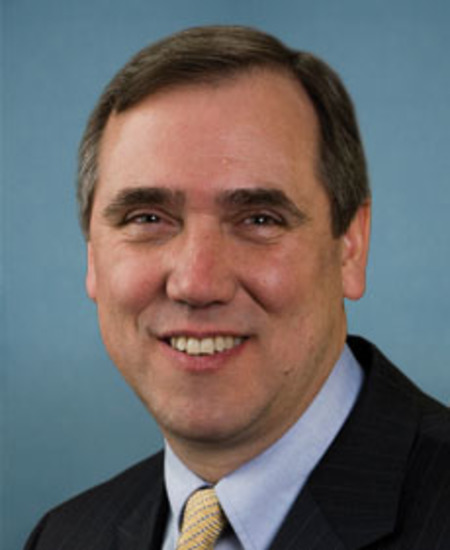
Sen. Jeff Merkley
Sponsored bills
This bill authorizes the Department of State, in coordination with the Department of Commerce, to initiate a U.S. plan to secure Taiwan's meaningful participation in the International Civil Aviation Organization.
Civilian Conservation Center Enhancement Act of 2022 This bill authorizes various activities in connection with Civilian Conservation Centers. For example, the Departments of Agriculture and of the Interior shall offer at Civilian Conservation Centers specialized training programs focused on (1) forestry and rangeland management, (2) wildland firefighting, or (3) any other topic related to the mission of the Forest Service or Interior or the public interest.
This bill establishes within Mount Hood National Forest one or more Indian Treaty Resources Emphasis Zones in areas agreed upon by the Forest Service and the Confederated Tribes of the Warm Springs Reservation of Oregon to protect and enhance treaty resources, protect the reservation from wildfires, and enable a comanagement strategy between the Forest Service and the tribe.
Good Samaritan Remediation of Abandoned Hardrock Mines Act of 2022 This bill promotes the remediation of abandoned hardrock mine sites by Good Samaritans. A Good Samaritan means a person that is (1) not a past or current owner or operator of the abandoned site; (2) had no role in the creation of the historic mine residue; and (3) is not potentially liable under any law for the remediation, treatment, or control of the historic mine residue. The bill requires the Environmental Protection Agency (EPA) to establish a Good Samaritan pilot program. Under the program, the EPA may issue permits to allow Good Samaritans to remediate historic mine residue at abandoned hardrock mine sites without assuming liability under specified environmental laws for past, present, or future releases, threats of releases, or discharges of hazardous substances or other contaminants at or from the abandoned mine site. In addition, the bill establishes a Good Samaritan Mine Remediation Fund for land management agencies that authorize Good Samaritans to conduct remediation projects on federal land.
This resolution condemns the death and detention of Mahsa Amini (an Iranian woman who died in the custody of the Morality Policy of Iran after being detained for purportedly wearing her hijab improperly). It also calls on Iran to end its systemic persecution of women.
This resolution urges the Brazilian government to ensure that the October 2022 elections are conducted in a free, fair, credible, transparent, and peaceful manner that enables all citizens of Brazil to exercise the right to vote. The resolution call for the U.S. government to immediately recognize the outcome of the election in Brazil, if that election is determined by international observers and organizations to have been free and fair.
International Children with Disabilities Protection Act of 2022 This bill establishes the International Children with Disabilities Protection Program in the Department of State to assist organizations of persons with disabilities and family members of children with disabilities in communicating about and advocating for policies that ensure the family inclusion and transition to independent living of children with disabilities.
This resolution designates September 2022 as National Voting Rights Month, encourages people to uphold the right to vote, encourages Congress to pass certain voting rights legislation, recommends the development of a curriculum in public schools and universities regarding voting, encourages the U.S. Postal Service to issue a special Representative John R. Lewis stamp during the month of September, and invites Congress to allocate funds for public service announcements regarding elections.
Election Worker Protection Act of 2022 This bill addresses certain protections for election workers. Among other provisions, the bill (1) establishes grants for the recruitment, training, and safety of election workers; and (2) makes it a crime to intimidate, threaten, coerce, or harass an election worker with the intent to interfere with the official duties of, or retaliate against, the worker.