

Maddy summaryThe Methane Emissions Research Act of 2023 requires the Environmental Protection Agency (EPA) to conduct a two-year pilot study measuring methane emissions from oil and gas production, gathering, processing, transmission, and storage infrastructure (excluding distribution systems). The EPA must select two regions, develop measurement methodologies, and assess how this data could support a future national methane census. The study will analyze regional emission patterns, reconcile different measurement methods, and identify research gaps, with a final report due within two years of enactment. The bill authorizes $20 million to fund this research, aiming to improve data accuracy for climate reporting and future policy.
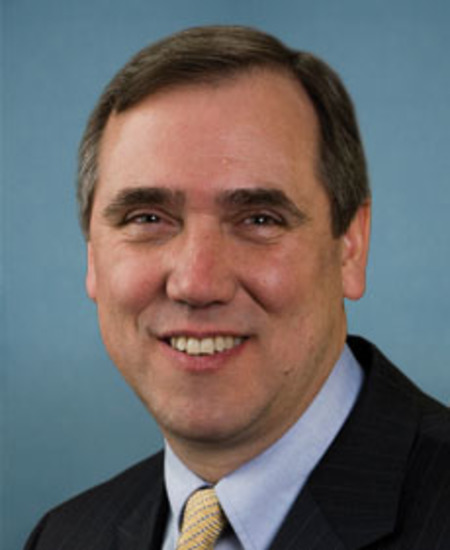
Sen. Jeff Merkley
Sponsored bills
Maddy summaryS 1934, the *Empowering States' Rights To Protect Consumers Act of 2023*, would allow states to set their own maximum interest rates for most consumer credit (like credit cards or personal loans), overriding federal limits. It directly affects consumers and lenders in states with stricter rate caps than current federal law, excluding residential mortgages. The bill amends the Truth in Lending Act to require that non-mortgage credit transactions follow the highest rate limit permitted by the consumer’s state of residence. This shifts regulatory authority from federal to state level for these financial products.
Maddy summaryS 1948, the Cleaner Air Spaces Act of 2023, creates a federal grant program to help low-income households with high-risk members (like those with health conditions, disabilities, or older adults) during wildfire smoke events. The bill authorizes $30 million over three years to fund air pollution control agencies, requiring them to establish free "clean air centers" in smoke-prone areas and distribute at least 1,000 certified air filtration units per program to eligible households at no cost. These units must meet strict standards (like HEPA filtration and Energy Star certification), and agencies must partner with community organizations, provide education, and conduct follow-up surveys to assess effectiveness. The program mandates annual reporting to Congress on implementation and outcomes to evaluate potential expansion.
Maddy summaryS 1940, titled "Canyon’s Law," bans the use of M-44 devices (cyanide-laced "predator control" tools) on public lands. It directly affects federal, state, and county agencies that deploy these devices to kill wildlife like wolves and coyotes. The bill prohibits preparing, placing, or using M-44 devices on public lands and requires all existing devices to be removed within 30 days of enactment. These devices, which use highly toxic sodium cyanide, have caused injuries to people (including children), killed non-target animals like eagles and bears, and harmed endangered species.
Maddy summaryThe Global Respect Act of 2023 requires the U.S. President to publicly list foreign officials or entities responsible for severe human rights violations against LGBTI individuals, including torture, arbitrary detention, or inciting violence based on sexual orientation or gender identity (Section 4). This list must be updated every 180 days and published in the Federal Register, with individuals added facing U.S. visa ineligibility and potential removal from the country (Section 5). The bill also mandates annual reports tracking additions/removals from the list and directs the State Department to monitor global violence against LGBTI people in country reports (Section 7). It directly affects foreign government actors accused of targeting LGBTI communities, using visa restrictions as a tool to increase accountability for human rights abuses.
Maddy summaryThe GLOBE Act of 2023 is a comprehensive legislative proposal focused on advancing the human rights of LGBTQI people worldwide. It requires the Department of State to document and respond to bias-motivated violence against LGBTQI individuals in country reports, establishes a Special Envoy for LGBTQI rights, and creates targeted sanctions for individuals responsible for human rights violations against LGBTQI people. The bill also includes provisions for immigration reform to better protect LGBTQI asylum seekers, mandates training for U.S. diplomatic personnel on LGBTQI rights, and establishes a Global Equality Fund to support civil society organizations working to protect LGBTQI rights internationally.
Maddy summaryS 1885 would amend the Immigration and Nationality Act to remove annual numerical limits on employment-based visas for a new category (J). This change would directly affect immigrants in category J, allowing them to obtain visas without facing yearly caps. The bill modifies two sections of the law (201(b)(1)(A) and 203(b)(4)) to include category J in the list of exempt categories. The bill's title references "vulnerable immigrant youth," but the provided text does not specify that category J relates to youth or vulnerability.
Maddy summaryThe BUMP Act of 2023 (S 1909) prohibits the sale, possession, and transfer of devices that increase the rate of fire on semiautomatic firearms, including "bump stocks" and similar modifications. It directly affects owners of semiautomatic firearms modified to speed up firing or mimic machineguns, requiring them to register such weapons within 120 days of enactment. Key provisions ban devices designed to eliminate the need for separate trigger pulls per shot and define "semiautomatic firearm" to exclude machinegun-like modifications. The bill exempts government entities and pre-existing legal modifications from the ban, provided they are registered.
Maddy summaryThe Judicial Ethics and Anti-Corruption Act of 2023 restricts federal judges and justices from holding certain investments and business interests that could create conflicts of interest, requiring divestment of stocks, commercial real estate, and business ownership. It creates a new Federal Employee Investment Account system allowing judges to maintain investments without conflicts, while establishing civil penalties of up to $50,000 for violations. The bill strengthens gift restrictions, improves transparency by requiring judges to publicly disclose recusal-related interests and make speeches available online, and establishes a Supreme Court Complaints Review Committee to handle misconduct complaints against justices. It also clarifies ethical standards and creates new disclosure requirements for judicial conduct. These provisions directly affect all federal judges, justices, and their financial holdings.
This resolution designates May 2023 as ALS Awareness Month. Amyotrophic lateral sclerosis (ALS) is a progressive neurodegenerative disease, also known as Lou Gehrig's disease, that affects nerve cells in the brain and spinal cord.