

Maddy summaryThis bill creates a data platform to track forest carbon emissions, sequestration, and the carbon footprint of wood products, helping measure environmental impacts. It modifies existing grant programs to prioritize rural wood mills in areas with high unemployment, supports wood-building education at colleges, and funds pilot projects using mass timber in rural infrastructure construction. The bill directly affects rural communities (especially those with wood manufacturing history), wood product manufacturers, and educational institutions developing wood-building curricula. Key mechanisms include mandatory carbon data reporting, targeted grants for economic development, and requirements for wood products to be "produced and assembled in the U.S." in pilot projects.
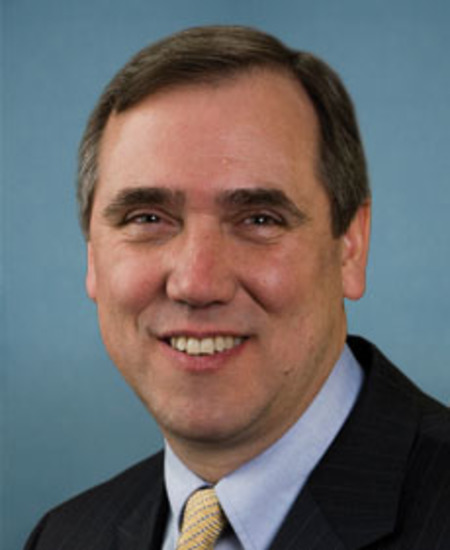
Sen. Jeff Merkley
Sponsored bills
Maddy summaryThe Preventing Election Subversion Act of 2023 restricts how state officials can remove local election administrators who manage federal elections. It requires removals to be based only on proven inefficiency, neglect of duty, or misconduct - prohibiting politically motivated removals - and allows affected local officials to challenge improper removals in federal court. States must report removals to the Justice Department within 30 days (or 48 hours if near an election) for oversight. The bill also adds new rules to limit last-minute challenges to voter eligibility on Election Day, requiring documented, good-faith challenges with sworn statements.
Maddy summaryThe Tribal Access to Nutrition Assistance Act of 2023 requires tribal food distribution programs on Indian reservations to allow eligible households to participate in both tribal food assistance and the federal SNAP program simultaneously. This directly affects Native American households living on or near tribal lands who qualify for either program. The bill amends the Food and Nutrition Act of 2008 to update tribal distribution plan requirements, removing barriers that previously prevented dual enrollment in both programs. This change streamlines access to nutrition assistance without altering program benefits or funding.
Maddy summaryThe Break the Cycle of Violence Act creates federal grant programs to fund community-based violence intervention initiatives that aim to reduce gun violence in high-risk communities. It authorizes $300 million in 2024, increasing to $700 million annually from 2026-2031, for grants to community organizations and local governments to implement evidence-based strategies that provide trauma-informed services, job training, and wraparound support to individuals at high risk of violence. The bill establishes a National Community Violence Response Center to coordinate efforts, collect data, and share best practices, while also creating IMPACT grants for job training programs targeting opportunity youth in communities disproportionately affected by gun violence. The legislation specifically addresses racial disparities in violence exposure, with findings showing Black children and teens are over 12 times more likely to be shot to death than White peers. The program requires grantees to use strategies that reduce violence without contributing to mass incarceration, and to partner with community organizations reflecting the populations impacted by violence.
Maddy summaryThis bill requires credit reporting agencies to use only a consumer's current legal name on credit reports after the consumer requests it. It directly affects individuals who have legally changed their names (e.g., through marriage or court order) but still see old names on their credit reports. The key provision mandates that agencies stop using any prior names upon receiving a consumer's written request, ensuring credit reports reflect the most up-to-date legal identity. This change removes outdated name information from credit reports without requiring additional consumer verification beyond the initial request.
Maddy summaryThis bill prohibits most employers from using credit history reports when making hiring decisions or taking adverse employment actions (like denying a job). It directly affects job applicants and current employees by preventing employers from considering their credit scores for these purposes. The law includes narrow exceptions for positions requiring national security clearances or when required by other laws. Employers cannot deny employment or take negative employment actions simply because an applicant refuses to authorize a credit check. The bill amends the Fair Credit Reporting Act to implement these changes.
Maddy summaryThis bill defines "ghost guns" as firearms (including frames and receivers) without a unique serial number from a licensed manufacturer or importer. It requires all new firearms to have a serial number engraved by a licensed maker and prohibits unlicensed individuals from manufacturing, selling, transferring, or possessing ghost guns after a one-year transition period (starting one year after enactment). The bill also bans unlicensed engraving of serial numbers on firearms and updates rules to ban undetectable firearms, with penalties including fines and up to 5 years in prison for repeat violations. These changes directly affect unlicensed gun builders, sellers, and possessors of ghost guns, while allowing licensed dealers a grace period for compliance.
Maddy summaryThis bill establishes a 3-year pilot program to provide guaranteed jobs in high-unemployment areas. Eligible local governments or tribal entities with unemployment rates at least 150% of the national average may apply for grants to create job programs. The program requires participating employers to offer jobs with wages at least the higher of federal, local prevailing, or collective bargaining rates, plus health insurance comparable to federal benefits, paid family/sick leave, and supportive services like childcare and job training. It mandates accessible job opportunities for people with disabilities and criminal records, while prohibiting job displacement of existing workers.
Maddy summaryThis bill amends the Watershed Protection and Flood Prevention Act to prioritize projects that provide multiple environmental and community benefits. It requires at least 50% of annual funding to go toward "multibenefit works of improvement," defined as projects that provide two or more specific benefits like improved fish habitat, better water quality, water conservation, or flood-risk reduction. The bill ensures that at least 20% of project benefits directly support agriculture or conservation in rural communities, while establishing new definitions for terms like "water conservation" and "multibenefit work of improvement." It also creates new notification requirements for Congress regarding major projects exceeding certain cost thresholds.
Maddy summaryThe AG RESEARCH Act (S 2589) provides funding to modernize agricultural research facilities at schools of agriculture and the Agricultural Research Service (ARS). It creates a competitive grant program to cover up to 100% of costs for construction, renovation, or equipment at schools of agriculture, requiring equitable distribution across geographic regions, institution types, and facility sizes while limiting any single state to 20% of funds. Additionally, it allocates $200 million annually (2023-2027) for direct payments to address deferred maintenance at ARS facilities, prioritizing the most critical structures based on a 2012 strategy. The bill is funded by mandatory annual transfers of $1 billion for schools of agriculture and $200 million for ARS, with no new appropriations required.