

Maddy summaryThe DISCLOSE Act of 2023 requires organizations making campaign-related disbursements over $10,000 to disclose detailed information about their funding sources, including the names and addresses of major donors and the top 5 or 2 funders for political communications. It closes loopholes allowing foreign nationals to influence U.S. elections by prohibiting foreign contributions to ballot initiatives and requiring disclosure of foreign money in campaigns. The bill also mandates "stand by every ad" requirements, requiring political communications to include disclaimers identifying who paid for them and listing major funders. These provisions apply to corporations, labor organizations, and other groups making political expenditures, with the goal of increasing transparency in campaign finance.
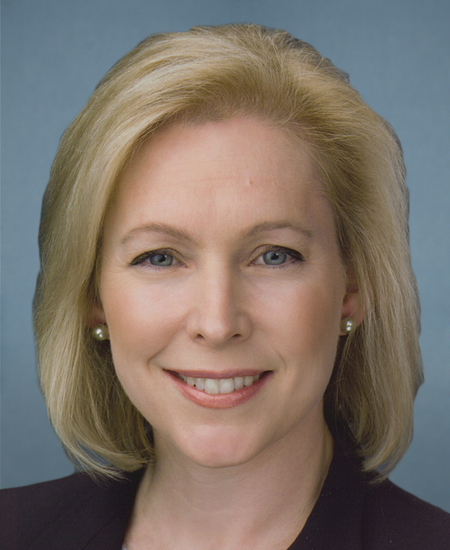
Sponsored bills
Maddy summaryThis bill amends the Food and Nutrition Act to exclude basic allowance for housing (BAH) paid to military members from income calculations for food assistance programs. It directly affects military families who receive housing allowances and apply for benefits like SNAP (Supplemental Nutrition Assistance Program). The key change adds a specific provision (paragraph 20) to the Act, ensuring BAH is not counted as income when determining eligibility. This adjustment makes it easier for military families to qualify for nutrition assistance by removing their housing allowance from income calculations.
Maddy summaryThis bill authorizes Congress to award a gold medal in honor of Constance Baker Motley, a pioneering civil rights lawyer and the first African-American woman appointed to a federal judgeship. The medal will be presented posthumously to her son, Joel Motley III, and niece, Constance Royster, by congressional leaders. The bill directs the U.S. Treasury to design and strike the medal (featuring Motley's image and name) and permits the sale of bronze duplicates to cover production costs, with proceeds going to the U.S. Mint. This is a commemorative measure recognizing Motley's legacy, not a policy change affecting public programs or regulations.
Maddy summaryThis bill establishes new health and documentation requirements for importing live dogs into the U.S. It requires all imported dogs to be vaccinated, parasite-free, properly identified, and accompanied by a certificate from an accredited veterinarian. Importers must submit electronic documentation before arrival, and dogs imported for transfer (like adoption or sale) must be at least 6 months old. Exceptions exist for research, veterinary treatment, or Hawaii-specific cases where dogs stay within the state. Violations could trigger fines, quarantine, or removal of dogs.
Maddy summaryThe American Opportunity Accounts Act creates tax-free savings accounts for children to build financial assets. It establishes American Opportunity Accounts (AO accounts) for individuals born after December 31, 2007, who are under 18 and have a valid IRS-recognized ID. The government makes an initial $1,000 contribution for those born after 2023, plus annual contributions from age 0 to 18 that decrease based on household income (ranging from $2,000 to $0 for households earning 500% or more of the poverty line). Account funds can be used for education, home ownership, or other approved expenses after age 18, with the accounts exempt from counting toward eligibility for federal benefits.
Maddy summaryThe "Easy Enrollment in Health Care Act" (S 423) creates a system that uses federal tax return information to determine eligibility for health insurance programs and automatically enroll eligible individuals. Taxpayers can consent to share relevant tax data with health insurance Exchanges, which would determine if household members qualify for Medicaid, CHIP, or subsidized marketplace plans. Eligible individuals would be automatically enrolled in zero-net-premium health plans unless they choose a different plan or opt out during a special enrollment period. The bill aims to simplify enrollment by eliminating separate applications and using existing tax data, with procedures for correcting errors in the tax data used for eligibility determinations.
Maddy summaryThis bill significantly expands the Low-Income Home Energy Assistance Program (LIHEAP) to provide both heating and cooling assistance to low-income households struggling with energy costs. It increases annual funding from $2 billion to $400 billion for fiscal years 2024-2033, expands eligibility to include households with a 3% or higher energy burden, and adds specific cooling assistance provisions for heat waves. The bill prevents energy shutoffs and late fees for participants, requires states to operate the program year-round, and includes provisions for renewable energy and weatherization assistance. It directly affects low-income households, particularly those in areas experiencing extreme temperature events, who currently face energy burdens three times higher than other households.
Maddy summaryThe Social Security Expansion Act increases benefits for many recipients by raising the first bend point percentage from 90% to 95% and adding a 22% increase for those eligible after 2023. It establishes a new minimum benefit for low earners based on years worked, with benefits reaching up to 125% of the poverty guideline for individuals with 30+ years of work. The bill extends eligibility for children of beneficiaries until age 22 if they're full-time students and changes the cost-of-living adjustment index to the Consumer Price Index for Elderly Consumers. Additionally, it introduces new taxes on high earners, including a payroll tax on wages between the Social Security contribution base and $250,000, and increases the tax rate on investment gains from 3.8% to 16.2%, while consolidating the two existing Social Security trust funds into a single Social Security Trust Fund.
Maddy summaryThis bill requires U.S. Customs and Border Protection to ensure certain immigrants a meaningful opportunity to consult with legal counsel during immigration inspections at ports of entry or during deferred inspections. It directly affects individuals like lawful permanent residents returning from travel, refugees, asylees, and others with valid visas or parole documents. Key provisions mandate that CBP provide this consultation within one hour of starting secondary inspection, allow counsel to present evidence, and accommodate in-person meetings when possible. A special rule prevents lawful permanent residents from abandoning their status without first receiving legal advice, unless they provide a written waiver.
Maddy summaryThis bill authorizes a Congressional Gold Medal to honor the volunteers and donors who supported the North Platte Canteen during World War II. It directs the Treasury Secretary to strike a gold medal commemorating the approximately 55,000 individuals (mostly women) from Nebraska, Colorado, and Kansas who provided food, hospitality, and donations to over 6 million troops between 1941 and 1946. The medal will be presented to the Lincoln County Historical Museum in North Platte, Nebraska, for public display and research. The bill is purely commemorative and does not create new programs or obligations.