

Maddy summaryThe Zuni Indian Tribe Water Rights Settlement Act of 2024 establishes a final settlement for the Zuni Tribe's water rights in the Zuni River Stream System. It creates a $655.5 million Trust Fund to support water infrastructure development, management, and environmental compliance on tribal lands. The bill confirms tribal water rights held in trust by the U.S. government while preserving separate water rights for individual allottees (tribal members with land allotments). It also protects the Zuni Salt Lake and Sanctuary area through land withdrawals and management restrictions. Implementation depends on meeting specific conditions, including court approval and fund deposits, with an "Enforceability Date" triggering the settlement's full effect.
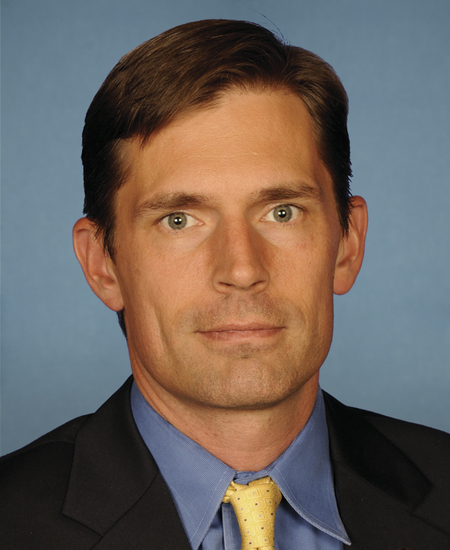
Sen. Martin Heinrich
Sponsored bills
Maddy summaryThe TAKE IT DOWN Act (S 4569) makes it a federal crime to intentionally share nonconsensual intimate images or deepfakes (AI-generated fake images/videos) without consent, with penalties including fines and up to 3 years in prison for offenses involving minors. It directly affects individuals whose private images are exploited and requires major online platforms (like social media sites hosting user content) to establish a 48-hour removal process for reported nonconsensual content. Platforms must remove such material upon valid requests from affected individuals, while being shielded from liability if they act in good faith. The law excludes email, broadband providers, and pre-curated content sites from these requirements.
Maddy summaryThis bill establishes a settlement for water rights claims by the Ohkay Owingeh Pueblo in New Mexico's Rio Chama Stream System. It ratifies an agreement between the Pueblo, the State of New Mexico, and other parties, creating a $745 million trust fund to support water infrastructure, bosque restoration, and water rights management. The settlement includes waivers of past claims against the United States in exchange for confirmed water rights held in trust by the federal government for the Pueblo. The agreement becomes fully enforceable after specific conditions are met, including court approval and funding deposits. If not implemented by 2038, the agreement would expire with specific consequences for returned funds and water rights.
Maddy summaryThis bill amends the Navajo-Gallup Water Supply Project to expand the service area to include additional communities in New Mexico and Arizona, allowing the Navajo Nation to deliver water to more tribal members. It establishes a Deferred Construction Fund to allow for deferring construction of certain project facilities to save on operations and maintenance costs. The bill increases the total authorized funding from $870 million to $2.175 billion, extends the funding period to 2029, and clarifies tax treatment for project facilities. These changes directly affect the Navajo Nation, Jicarilla Apache Nation, and the City of Gallup, New Mexico.
Maddy summaryThis bill creates a federal grant program to fund training and support services for families and caregivers of people with Alzheimer's or related dementias. It authorizes grants to health centers, senior centers, area agencies on aging, and other community organizations to provide culturally appropriate services and integrate caregiver support with patient care. The law requires grantees to conduct outreach and ensures at least 10% of funding targets providers serving medically underserved communities. It authorizes funding for fiscal years 2026-2028, focusing on concrete support rather than policy changes.
Maddy summaryThis bill authorizes the U.S. Mint to produce three commemorative coins honoring Roberto Clemente: $5 gold, $1 silver, and half-dollar clad coins, with specified quantities (50,000 gold, 400,000 silver, 750,000 half-dollars). The coins must feature Clemente’s image and include inscriptions like "Roberto Clemente" and "2027," with surcharges ($35, $10, and $5 per coin respectively) funding the Roberto Clemente Foundation for youth sports, education, and disaster relief. All coins must be sold between January 1, 2027, and December 31, 2027, at face value plus surcharge, with the foundation audited for fund use. The legislation affects no citizens or policies - it solely creates a commemorative coin program.
Maddy summaryThis is a ceremonial Senate resolution (SRES 902) honoring the late Senator Timothy Peter Johnson of South Dakota, who died after a long career in public service. The resolution expresses the Senate's "profound sorrow" over his death, directs the Secretary of the Senate to share the resolution with the House and send a copy to his family, and calls for the Senate to adjourn in his memory. It does not create new laws or affect any policies, as it is purely a formal expression of respect for a former senator. The resolution commemorates his decades of service, including his time as Chairman of the Banking Committee and his return to work after a serious health setback.
Maddy summaryThe Department of Energy Quantum Leadership Act of 2024 amends the National Quantum Initiative Act to strengthen federal quantum research and development. It establishes new programs for quantum research centers, instrumentation, network infrastructure, and user expansion, with $175 million annually allocated for research through 2029. The bill requires a 10-year strategic plan for quantum high-performance computing, creates a traineeship program for underrepresented students, and includes provisions to support small businesses in accessing quantum resources. It directly affects the Department of Energy, National Laboratories, universities, and the quantum technology industry. The law aims to accelerate U.S. leadership in quantum technology through coordinated research, workforce development, and commercialization efforts.
Maddy summaryThe RISEE Act of 2023 establishes a National Oceans and Coastal Security Fund to support coastal conservation, infrastructure, and research through grants to states, tribes, and organizations. It creates a new revenue-sharing system for offshore wind projects, directing 37.5% of operating fees to eligible coastal states based on proximity to project sites. States receiving these funds must use them for coastal protection, habitat restoration, or related projects and submit annual reports detailing fund usage to the Department of Interior. The bill also updates reporting requirements for Gulf of Mexico energy revenue funds to ensure transparency about how states use these funds.