

Maddy summaryThis bill makes the Feral Swine Eradication Program permanent by removing "pilot" language from the 2018 Agriculture Act and extending its funding period to 2024-2028. It directly affects agricultural producers in areas with feral swine and USDA agencies (APHIS and NRCS), requiring them to monitor eradicated areas for one year and report progress. Key provisions include annual monitoring after eradication, expanded funding for eligible counties, and mandatory reports to Congress detailing program activities, cost savings, and effectiveness. The reports must quantify reductions in agricultural damage, health risks, and improvements from swine removal.
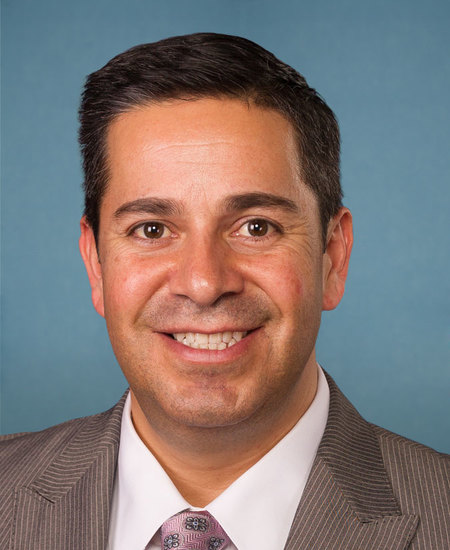
Sen. Ben Ray Luján
Sponsored bills
Maddy summaryThis bill amends the Robert T. Stafford Disaster Relief Act to require the federal government to cover at least 75% of eligible costs for fire suppression and response activities funded under Section 420. It directly affects state and local governments receiving federal disaster relief by guaranteeing a higher minimum federal cost share and allowing funds to cover predeployment of fire resources. Key provisions include setting the 75% federal cost share floor (previously lower or variable), explicitly permitting predeployment expenses, and mandating a rulemaking within 3 years to establish criteria for potentially increasing the federal share further. The changes apply only to funds appropriated after the bill's enactment.
Maddy summaryThe Border Management, Security, and Assistance Act of 2023 provides $2.8 billion for U.S. Customs and Border Protection to establish temporary processing facilities, hire additional officers, and improve border security technology, while allocating $1 billion for refugee assistance and $500 million for migration support in the Western Hemisphere. It establishes new penalties for organized smuggling of 10 or more people at once, creates offenses for monitoring law enforcement to aid smugglers, and requires electronic notice to appear systems for immigration court. The bill streamlines asylum processing by allowing employment authorization for applicants after 30 days of release and mandates staffing models for border agencies. It also requires regular reporting on fund usage and program effectiveness for the Shelter and Services Program.
Maddy summaryThis bill creates a new Office of Consumer Protection within the Department of Transportation. The office will monitor compliance with consumer protection and civil rights laws, investigate violations, and issue regulations to safeguard transportation consumers. It will be led by a new Assistant Secretary for Consumer Protection, who must coordinate with legal staff and submit annual reports to Congress analyzing consumer protection trends and challenges. The office directly affects consumers using transportation services and the Department's enforcement of related laws.
Maddy summaryThe Opportunities in Organic Act of 2023 creates a new federal program to help farmers and food handlers transition to and maintain organic certification. It provides direct cost coverage for organic certification (up to $1,500 per producer, with higher payments allowed for socially disadvantaged farmers or in high-cost regions) and funds eligible nonprofits to offer technical assistance, training, and financial support for organic practices like soil health management and cover cropping. The program specifically targets socially disadvantaged farmers, small farms, and communities near schools or sensitive ecosystems, with $50 million allocated for 2024-2025 and $100 million annually by 2027. Nonprofits administering the program must report on outcomes, including participation rates, barriers faced, and how many farmers achieved organic certification.
Maddy summaryThis bill authorizes a Congressional Gold Medal to honor the service of Army and Navy nurses who served during World War II. It directly recognizes approximately 73,000 nurses (including those who died in action or captivity) who provided critical medical care under combat conditions across 6 continents. The medal, designed by the Treasury Secretary, will be displayed at institutions like the Smithsonian, the Women in Military Service Memorial, and military museums. The bill is purely commemorative, with no new benefits or policy changes, focusing solely on formal recognition of their wartime contributions.
Maddy summaryS 1554, the National American Indian Veterans Charter Act, grants a federal charter to the existing nonprofit organization National American Indian Veterans, Incorporated. This charter formally recognizes the group as a federally chartered entity under Title 36 of the U.S. Code, authorizing it to operate as a nonprofit dedicated to serving American Indian veterans. Key provisions include granting the organization exclusive rights to its name and insignia, requiring it to maintain tax-exempt status, and mandating annual reports to Congress on its activities (though these reports are not public documents). The bill directly affects American Indian veterans by legally solidifying the organization’s role as their representative body for advocacy, outreach, and support services.
Maddy summaryThe RETAIN Act creates a refundable tax credit for early childhood educators, teachers, school leaders, and school-based mental health providers who work in high-need schools or early childhood programs. The credit amount increases with years of continuous service: $5,800 for years 1-2, $7,000 for years 3-4, $8,700 for years 5-9, and $11,600 for year 10, with annual inflation adjustments. It requires states and schools to maintain existing compensation and loan forgiveness programs (not reduce them) due to this credit and mandates annual data collection on teacher salaries by school type and geographic region. The bill directly targets educators serving high-poverty schools to address retention challenges linked to low pay and poor working conditions.
Maddy summaryThe SAFE Banking Act of 2023 creates a legal safe harbor for financial institutions that provide services to state-sanctioned marijuana businesses and hemp-related legitimate businesses. It prevents federal banking regulators from taking adverse actions against depository institutions for serving these businesses solely because they operate within state-legal marijuana frameworks. The bill also ensures income from legal marijuana businesses can be considered for qualifying for federally backed mortgage loans and requires updated guidance for suspicious activity reporting related to these businesses. These provisions aim to address longstanding banking access barriers for businesses operating within state-legal marijuana and hemp industries.
Maddy summaryThe FIGHT Act of 2023 prohibits sponsoring, exhibiting, attending, or live-broadcasting animal fighting events, and bans transporting roosters for such purposes. It directly affects individuals and organizations involved in animal fighting, including those who broadcast events online. The bill allows any person to file a civil lawsuit to stop violations after 60 days' notice, with potential fines up to $5,000 per violation, and permits seizure of property used to facilitate these activities. The law does not override state laws banning animal fighting, except in cases of direct conflict.