

Maddy summaryThe Future of Artificial Intelligence Innovation Act of 2024 establishes the Artificial Intelligence Safety Institute within the Department of Commerce to develop voluntary safety standards, metrics, and evaluation tools for AI systems. The bill creates AI testbeds for research and development, including a foundation model test program, and promotes international cooperation on AI standards through an alliance with like-minded countries. It requires the Comptroller General to identify regulatory barriers to AI innovation and directs the development of public datasets to support AI advancement. The Institute will work with private sector entities, national laboratories, and international partners to promote safe and effective AI development across various sectors. The bill focuses on facilitating AI innovation through voluntary standards and public-private partnerships rather than imposing new regulations.
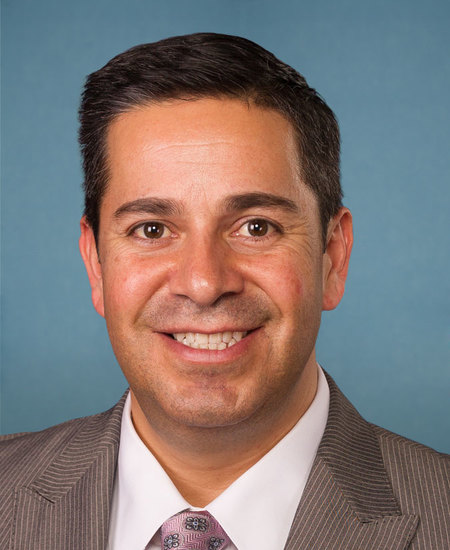
Sen. Ben Ray Luján
Sponsored bills
Maddy summaryThis bill establishes transparency and accountability requirements for high-impact artificial intelligence systems that affect access to housing, employment, credit, education, healthcare, or insurance. It requires deployers of such systems to submit annual transparency reports detailing their systems' design, data usage, safety measures, and risk management processes. The bill creates a certification process for critical-impact AI systems (defined as systems posing significant risk to constitutional rights or safety) and establishes enforcement mechanisms including civil penalties for noncompliance. It also mandates research into content provenance standards to verify AI-generated media and creates a working group to develop consumer education initiatives about AI systems.
Maddy summaryThis bill establishes federal testbeds for developing and evaluating "trustworthy" artificial intelligence systems. It requires the National Institute of Standards and Technology (NIST) Director to coordinate with the Energy Secretary and other federal agencies to create physical and virtual environments for testing AI safety, guardrails, misuse risks, and system vulnerabilities. The bill mandates a memorandum of understanding between Commerce and Energy to provide NIST and other agencies access to Department of Energy resources, facilities, and cross-agency R&D programs. These testbeds aim to improve AI reliability and trustworthiness for federal agency use and oversight of commercial AI systems, particularly for national security applications like preventing weapons proliferation.
Maddy summaryThe Good Samaritan Remediation of Abandoned Hardrock Mines Act of 2024 establishes a pilot program allowing qualified individuals or organizations (defined as "Good Samaritans") to remediate historic mine residue at abandoned hardrock mine sites without facing liability for their actions. The Environmental Protection Agency would grant up to 15 permits for projects that address pollution from abandoned mines, with applicants required to demonstrate they meet specific eligibility criteria (not being responsible owners/operators, having no role in creating the residue, and possessing adequate resources). The program includes liability protection for permitted activities, requires detailed remediation plans with baseline condition assessments, public notice, and environmental reviews, and establishes a fund for long-term operations and maintenance. This 7-year pilot program would directly affect communities near abandoned mine sites and qualified remediation groups seeking to address environmental contamination.
Maddy summaryThe PLAN for Broadband Act requires the federal government to create a coordinated strategy to improve broadband access nationwide. It mandates the Assistant Secretary of Commerce to develop a National Strategy within one year of enactment, detailing all federal broadband programs and identifying gaps in coordination across 14 covered agencies (including the FCC and USDA). The bill then requires an Implementation Plan within 120 days, outlining how agencies will streamline efforts, reduce duplication, and lower administrative burdens for states, local governments, and Tribal entities participating in broadband programs. Key provisions include standardizing data reporting for federal broadband funding and establishing regular interagency meetings to accelerate infrastructure deployment. The strategy must address barriers to broadband adoption, particularly on Tribal lands, and be subject to public input and GAO evaluation.
Maddy summaryThis bill requires the National Institute of Standards and Technology (NIST) to develop and regularly update public guidelines for evaluating the trustworthiness of artificial intelligence systems used by federal agencies. The guidelines must cover safety, security, transparency, privacy, fairness (especially for protected classes), and other trustworthiness elements across all AI components - from data and models to human interactions and hardware. Federal agencies must evaluate existing AI systems used for automated decisions within two years to ensure compliance or stop using them, and new systems must meet the guidelines before deployment. Agencies must publicly label compliant systems, document non-compliant deployments with justification, and appoint a Chief AI Officer within 120 days to oversee implementation. The bill focuses on standardizing AI safety and accountability for government use, without mandating specific technical solutions.
Maddy summaryThe FDA Modernization Act 3.0 requires the FDA to issue a final rule within 180 days of enactment to implement regulations for nonclinical testing methods used in drug development. This affects pharmaceutical companies developing new drugs by establishing standardized requirements for preclinical safety testing before human trials. The bill also makes a technical amendment to renumber a subsection related to clinical trial diversity plans, clarifying existing provisions without changing their substance. The key change is the FDA's obligation to finalize these testing regulations, aiming to modernize the drug approval process.
Maddy summaryThis bill amends federal law to improve reimbursement for living organ donors. It prohibits grant recipients (like medical programs) from considering the organ recipient's income when reimbursing donors for qualifying expenses, and removes any expectation that organ recipients pay donors directly. The bill also requires the Secretary to submit an annual report by December 31, detailing whether grant funding fully covered all donor expenses and estimating any shortfalls. These changes directly affect living organ donors and the federal grant programs that reimburse them under the Public Health Service Act.
Maddy summaryThe Parity Enforcement Act of 2024 strengthens enforcement of mental health and substance use disorder parity requirements in health insurance. It directly affects insurance companies and the companies that manage their plans (like third-party administrators and pharmacy benefit managers), making them liable for violations alongside plan sponsors and insurers. The bill adds new provisions to federal health laws, allowing the Secretary to assign liability percentages between these entities and expanding enforcement to cover parity violations. This changes how violations are addressed by holding additional parties accountable for failing to meet parity rules.
Maddy summaryThe CLEAN SMART Act of 2024 establishes a Network of National Laboratories to improve the scientific and technical expertise used in cleaning up nuclear waste sites. This Network, including major laboratories like Los Alamos, Oak Ridge, and Savannah River, will develop new treatment technologies to minimize environmental contamination, lower cleanup costs, and accelerate remediation schedules. The bill authorizes $55 million annually for the Network's activities and creates a Technology Development and Deployment Framework to guide cleanup efforts. It requires the Department of Energy to submit annual reports to Congress on the Network's progress and technology adoption.