

Maddy summaryThis bill (S 1519) designates approximately 1.56 million acres of the Arctic National Wildlife Refuge in Alaska as wilderness under federal law. It permanently protects this specific area from development like oil drilling or road construction by adding it to the National Wilderness Preservation System. The designation directly affects the refuge's management, ensuring this coastal plain ecosystem remains preserved in its natural state.
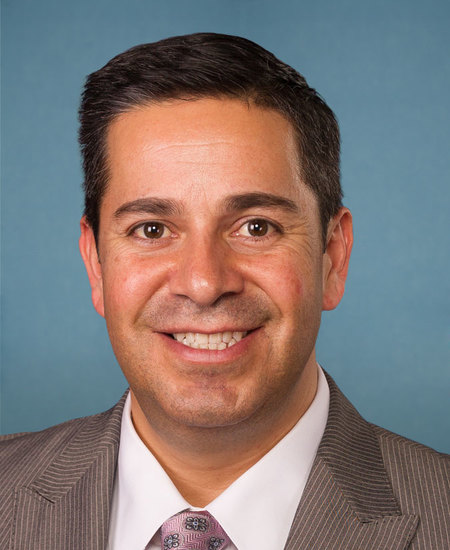
Sen. Ben Ray Luján
Sponsored bills
Maddy summaryThis symbolic Senate resolution (SRES 179) formally recognizes April 2025 as National Sexual Assault Awareness and Prevention Month. It endorses the month's goals of educating the public about sexual violence, preventing future assaults, improving support for survivors, and ensuring perpetrators face accountability. The resolution does not create new laws or allocate funding but publicly affirms the Senate's commitment to these objectives. It specifically highlights the work of organizations like RAINN and local rape crisis centers that support survivors, while citing statistics on sexual violence prevalence to underscore the importance of awareness efforts.
Maddy summaryThis resolution designates the week of April 19-27, 2025, as "National Park Week" in the U.S. Senate. It encourages the public to responsibly visit, experience, and support national parks across the United States. The resolution highlights the National Park System’s role in preserving natural and cultural resources while acknowledging its economic impact and recreational value. It does not create new laws or alter funding, focusing solely on recognition and public engagement.
Maddy summarySRES 182 is a symbolic Senate resolution supporting National Public Health Week (April 7-13, 2025). It expresses the Senate's recognition of public health professionals' efforts and the importance of preventing disease and addressing health disparities. The resolution encourages increased resources to improve community health and strengthen the public health system, but it does not create new laws, allocate funding, or directly affect any specific group. As a non-binding resolution, it serves only to acknowledge public health achievements and goals.
Maddy summaryThe Combating Organized Retail Crime Act amends federal law to strengthen legal tools for addressing organized retail crime, including theft from stores, online, and supply chains. It establishes a new Organized Retail and Supply Chain Crime Coordination Center within the Department of Homeland Security to coordinate Federal, State, local, and tribal law enforcement efforts. The Center will share information, assist with investigations, track crime trends, and provide training to combat these crimes. The bill expands legal definitions to include organized retail crime as a specific category and requires annual reports on the Center's activities. The Center will operate for 7 years before sunset.
Maddy summaryThis bill withdraws federal lands surrounding Chaco Culture National Historical Park (a UNESCO World Heritage Site) from oil and gas leasing and development. It automatically terminates non-producing oil and gas leases on these lands and prevents new mineral leasing within the designated area, protecting cultural resources and the park’s visitor experience. The withdrawal specifically applies to federal land within the mapped "Chaco Cultural Heritage Withdrawal Area" but does not affect tribal mineral rights on trust land. It aims to safeguard sacred sites, prehistoric roads, and the park’s dark sky status from potential impacts of energy development.
Maddy summaryS 1418 requires federal agencies to produce three reports analyzing data on threats to law enforcement officers and their well-being. The bill mandates a report on violent attacks (including ambushes) against officers, current training programs, and gaps in gear distribution; a report on adding a new category for non-criminal aggressive incidents against officers; and a report on mental health impacts and available support resources. These reports, due 270 days after enactment, will assess data collection systems, resource effectiveness, and disparities in reporting. The bill directly affects federal, state, and local law enforcement agencies by requiring them to contribute data and shape future safety policies. Its goal is to inform better resource allocation and training based on comprehensive data, not to mandate immediate changes.
Maddy summaryThis bill enhances the Child and Dependent Care Tax Credit to help more families afford childcare. It increases the credit percentage to 50% for lower-income families (up from 35%), raises the income threshold for full credit ($125,000 to $400,000 phaseout), and doubles the maximum credit amounts ($3,000/$6,000 to $8,000/$16,000 for one/two or more children). The credit becomes refundable for qualifying families, meaning those who owe little or no income tax can receive the full credit as a refund. It also includes annual inflation adjustments to maintain the credit's value over time.
Maddy summaryThe FIGHT Act of 2025 amends the Animal Welfare Act to ban gambling on animal fighting events (including broadcasts), prohibit transporting roosters (defined as male chickens over 6 months old) for fighting, and make it illegal to sponsor, exhibit, or allow minors under 16 to attend such events. It allows citizens to file civil lawsuits to stop violations after 60 days' notice to authorities, with fines up to $5,000 per violation. The law also permits seizure of property used to facilitate violations, such as land or buildings. It does not override state or local laws on animal fighting unless there is a direct conflict.
Maddy summarySenate Bill 1466, the Resources for Victims of Gun Violence Act of 2025, establishes an Advisory Council to help victims of gun violence access available resources. The Council, composed of federal agency heads and appointed victims/victim professionals, will identify best practices and create a public resource guide covering medical, financial, mental health, legal, and housing needs. It must produce an initial report within 180 days of enactment (and a follow-up report after two years), sharing this information with Congress, state agencies, and the public through online and print materials. The bill does not authorize new funding and expires after five years.