

Maddy summaryThe HCBS Relief Act of 2025 increases federal funding for Medicaid home and community-based services (HCBS) by 10 percentage points (capped at 95%) for participating states during fiscal years 2026-2027. It directly affects states that submit approved applications, Medicaid beneficiaries receiving HCBS, and home health workers by requiring states to use funds to raise wages/benefits for HCBS workers, reduce waiting lists, support family caregivers, and improve service quality. Key provisions mandate that states detail specific activities (like wage increases, paid leave, and equipment purchases) in applications, ensure funds supplement rather than replace state spending, and report on outcomes by 2029. The bill aims to strengthen HCBS access and workforce stability without changing Medicaid eligibility rules.
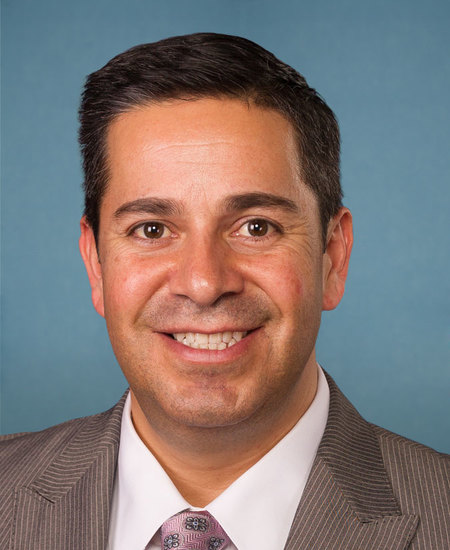
Sen. Ben Ray Luján
Sponsored bills
Maddy summaryThe Disaster Relief Medicaid Act creates a new Medicaid program for survivors of major disasters declared after January 1, 2027. It provides simplified eligibility during a two-year relief coverage period (starting when the disaster is declared), allowing people in affected areas to access medical assistance without meeting standard income requirements. The law includes provisions for continuous eligibility, mental health services, home and community-based care, and 100% federal funding for these services. States must provide streamlined applications and issue special Medicaid cards valid for the entire relief period. It also includes specific protections for children born to survivors and pregnant individuals during the disaster period.
Maddy summaryThe ASSIST Act (S 2050) increases federal funding for mental health and substance use disorder services provided in schools and school-based health centers. It raises the federal medical assistance percentage (FMAP) for these services to 90% for states, starting one year after enactment, while ensuring this doesn’t reduce existing federal payments or count against territorial spending limits. The bill also creates a new grant program administered by the Health and Human Services Secretary to fund entities like school districts and universities in hiring more licensed mental health providers, requiring culturally competent care and annual reporting on provider numbers and service effectiveness. It prohibits using grant funds for threat assessment teams and mandates a report to Congress on the program’s effectiveness within 18 months.
Maddy summaryThe State Public Option Act creates a new Medicaid buy-in option for state residents who are not enrolled in other health insurance plans, beginning January 1, 2026. It establishes limits on premiums (capped at 8.5% of family income) and cost-sharing, while allowing participants to enroll through state health insurance exchanges and access premium tax credits similar to those for private insurance. The bill also requires coverage of comprehensive sexual and reproductive health care services, including abortion services, starting in 2026. Additionally, it includes provisions to improve payment rates for primary care services provided under Medicaid.
Maddy summaryThis bill removes an age limit that previously restricted continuous Medicaid and CHIP coverage to children under 19. It changes the rules to apply 12-month continuous enrollment protections to all enrollees, regardless of age, by replacing "child" and age-specific language with "individual" throughout the program rules. The key mechanism is amending federal law to eliminate the requirement that beneficiaries must be under 19 to qualify for uninterrupted coverage. This directly affects all current and future Medicaid and CHIP participants, including adults and older children. The changes take effect in 2026.
Aerial Firefighting Enhancement Act of 2025 This act reauthorizes the Department of Defense to sell its excess aircraft and aircraft parts that are acceptable for commercial sale for wildfire suppression purposes. Such authority begins June 12, 2025, and ends October 1, 2035. The act also provides that such aircraft may be used to deliver water by air in order to suppress wildfire (the previous authority only provided for the delivery of fire retardant). The act removes the previous limitation on providing international wildfire suppression assistance with such purchased aircraft.
Maddy summaryThe ENROLL Act of 2025 amends the Affordable Care Act to strengthen the navigator program that helps people enroll in health insurance. It requires state and federal exchanges to award grants to navigators based on their capacity to provide services, not whether they cover non-qualified health plans, and mandates annual grants to community-focused nonprofits. Navigators must now provide information about Medicaid and CHIP programs in plain language and maintain physical presence in their states for in-person assistance. The bill allocates $100 million annually from health insurer user fees to fund federal exchange navigators starting in fiscal year 2026. These changes directly affect navigators, state/federal health insurance exchanges, and consumers seeking coverage.
Maddy summaryS 1965, the "Protect Vulnerable Immigrant Youth Act," removes visa caps for special immigrant juveniles under U.S. immigration law. It directly affects vulnerable immigrant youth who qualify as "special immigrants" due to abuse, neglect, or abandonment by their parents. The bill amends two key sections of the Immigration and Nationality Act to add a new category "J" for these individuals, eliminating numerical limits that previously restricted their access to employment-based visas. This change allows them to bypass standard visa quotas, making it easier for them to legally work and remain in the U.S. without facing annual visa caps.
Treat and Reduce Obesity Act of 2025 This bill expands Medicare coverage of intensive behavioral therapy for obesity. Specifically, the bill allows coverage for therapy that is provided by (1) a physician who is not a primary care physician; or (2) other health care providers (e.g., physician assistants and nurse practitioners) and approved counseling programs, if provided upon a referral from, and in coordination with, a physician or primary care practitioner. Currently, such therapy is covered only if provided by a primary care practitioner. The bill also allows coverage under Medicare's prescription drug benefit of drugs used for the treatment of obesity or for weight loss management for individuals who are overweight.
Maddy summaryThe LAUNCH Act streamlines licensing for commercial space companies by creating a dedicated Commercial Space Transportation Administration within the Department of Transportation and establishing a digital tracking system for license applications. It requires a 120-day evaluation of current regulations (part 450) to identify delays and inefficiencies, mandates dedicated staff to assist applicants, and adds transparency through public status updates on application timelines. The bill directly affects companies seeking launch/reentry licenses (e.g., SpaceX, Blue Origin) by reducing bureaucratic hurdles, accelerating approvals, and requiring annual congressional briefings on processing times. Key mechanisms include digital application tracking, industry advisory committees, and revised safety rationale acceptance standards to minimize review delays.