

Maddy summarySRES 596 is a non-binding Senate resolution designating February 2-6, 2026, as "National School Counseling Week." It directly recognizes school counselors and their role in supporting students' academic, social, emotional, and career development. The resolution encourages public awareness through ceremonies and activities to highlight counselors' contributions, addressing their critical but often underfunded role (with a national student-to-counselor ratio of 376:1). It does not create new programs or alter funding but formally acknowledges counselors' work in schools.
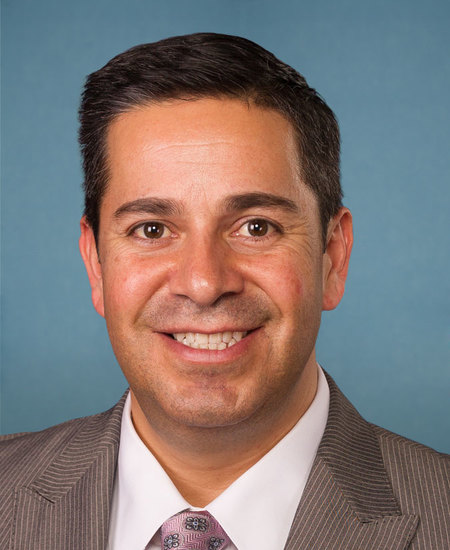
Sen. Ben Ray Luján
Sponsored bills
Maddy summaryThe Federal Grant Neutrality Act (S 3776) prevents the Department of Justice from requiring entities to comply with specific immigration-related laws or presidential directives as a condition for receiving DOJ grants. It specifically blocks the Attorney General from demanding agreement to Section 642 of the 1996 immigration law, presidential memoranda, or executive orders. This directly affects local governments, community organizations, and other applicants seeking federal grant funding from the DOJ. The bill removes these requirements as a prerequisite for grant eligibility, ensuring entities can access funding without meeting those particular conditions. The change applies only to DOJ-administered grants, not other federal programs.
Maddy summaryThe Rebuild America's Schools Act of 2026 would provide $20 billion annually (2027-2031) to improve public school facilities across the United States. The bill directs funds to states based on previous Title I funding allocations, requiring states to contribute 10% of the funds (with some exceptions) and develop plans for equitable distribution to school districts. Local educational agencies must prioritize schools with high numbers of students eligible for free or reduced-price lunch, and funds can be used for construction, renovation, energy efficiency upgrades, removal of toxic substances, and making facilities accessible. The bill also establishes school infrastructure bonds to leverage private investment and includes specific provisions to repair foundations damaged by pyrrhotite.
Maddy summaryThe Stop Underrides Act 2.0 requires new safety standards for side underride guards on commercial trucks and trailers to prevent passenger vehicles from sliding under them during collisions. The bill mandates that the Secretary of Transportation finalize regulations requiring these guards within 18 months, with full compliance required within two years. The regulations must meet specific performance standards to prevent intrusion into passenger vehicle occupant space during side collisions at speeds up to 40 mph. This law directly affects commercial truck manufacturers, trucking companies, and all road users, particularly vulnerable road users like cyclists and pedestrians who are at higher risk in underride crashes. The bill also establishes a public website for underride crash resources and requires studies to better understand and prevent these crashes.
This resolution supports the designation of 2026 as the International Year of the Woman Farmer and recognizes the critical role of women in agriculture. The resolution also encourages citizens to celebrate the impact these women have on the food systems and agricultural workforce of the United States by encouraging and empowering women to pursue careers in agriculture and cultivate leadership opportunities.
Maddy summarySRES 585 is a commemorative resolution honoring Ben Nighthorse Campbell, a former U.S. Senator from Colorado and the first Native American to chair the Senate Committee on Indian Affairs. It recognizes his military service, Olympic judo career, legislative work (including authoring the National Museum of the American Indian Act), and advocacy for tribal communities. The resolution has no policy impact - it formally expresses the Senate’s respect for his legacy, requests transmission to his family, and directs a moment of silence. It directly affects Campbell’s legacy and family, not any current policy or population. (Note: This is a procedural resolution, not a bill with legislative provisions.)
This joint resolution directs the President to terminate the use of U.S. Armed Forces for hostilities within or against Venezuela unless a declaration of war or authorization to use military force for such purpose has been enacted. The joint resolution specifies that it shall not be construed to prevent the United States from defending itself from an armed attack or threat of an imminent armed attack.
Maddy summaryThis bill, S 3631 (PUBLIC SAFETY Act), increases federal funding for local law enforcement programs. It amends the COPS Hiring Program to redirect funds from U.S. Immigration and Customs Enforcement to the Attorney General, extends grant deadlines to 2030, and waives certain requirements for small local governments (under 175 officers) and tribal governments. It also allocates $45 billion for fiscal year 2025 to the Edward Byrne Memorial Justice Assistance Grant (Byrne JAG) Program, which supports state and local crime prevention and justice initiatives. These changes directly affect cities, counties, townships, and tribal governments seeking federal funding to hire officers and support public safety programs.
Maddy summarySJRES 84 is a joint resolution seeking to block a rule issued by the Centers for Medicare & Medicaid Services (CMS) under the Affordable Care Act. The rule, published in the Federal Register on June 25, 2025, aimed to improve affordability and integrity in health insurance marketplaces. If approved, this resolution would invalidate the rule under a federal disapproval process, preventing its implementation. This directly affects how health insurance plans are structured and priced for consumers using ACA marketplaces.
Maddy summaryS 3622, the SERVE Act, prohibits naming or renaming any federal building, land, or asset after a sitting president. It directly affects all federal property currently named for a sitting president and prevents future naming during a president's term. The bill bans using federal funds for such naming and requires reverting any existing presidential-named property to its prior official designation. This applies to all federal assets covered by existing law, without exception.