

Maddy summarySRES 857 is a Senate resolution expressing concern about the rising trend of book bans in U.S. schools and libraries. It cites data showing over 10,000 individual book bans in 2023-2024 (double the previous year), with many targeting books about race, LGBTQ+ experiences, and diverse perspectives - including classics like *The Handmaid’s Tale* and *To Kill a Mockingbird*. The resolution calls on schools and local governments to follow best practices for handling book challenges and to protect students’ access to diverse materials, while reaffirming First Amendment rights to free expression. It also designates the week of September 22-28, 2024, as Banned Books Week.
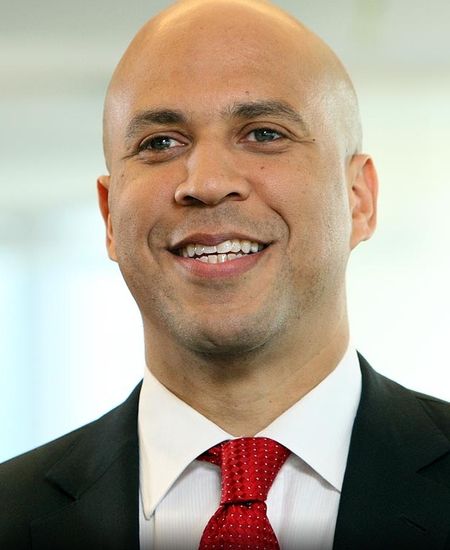
Sen. Cory A. Booker
Sponsored bills
Maddy summarySRES 862 is a Senate resolution designating October 23, 2024, as "National Marine Sanctuary Day." It does not create new laws or funding but aims to raise public awareness about the National Marine Sanctuary System. The resolution highlights how marine sanctuaries protect biodiversity, support coastal economies, and provide recreational opportunities, while encouraging responsible engagement with these protected areas. This commemorative resolution directly affects the public by promoting recognition of marine conservation efforts.
This resolution acknowledges the 120th anniversary of Big Brothers Big Sisters of America and commends the organization for its work mentoring the young people of the United States and strengthening thousands of communities.
Maddy summaryThis resolution (SRES 886) expresses the U.S. Senate's support for designating the week of October 24-31, 2024, as "Bat Week." It highlights bats' ecological and economic importance, noting they control pests (saving U.S. farmers $3 billion annually), pollinate crops, and disperse seeds, while acknowledging threats like white-nose syndrome. The resolution encourages public events during Bat Week and affirms the Senate's commitment to bat conservation and combating the disease. It is a symbolic gesture with no binding legal effect.
Maddy summaryThis bill creates a new USDA grant program to help medium and large industrial livestock operations (defined by specific animal thresholds, like 300-699 dairy cows for medium CAFOs) convert to climate-smart practices. Eligible farms receive grants covering up to 90% of costs to make on-farm improvements, such as adding outdoor access for animals or transitioning to specialty crops, while permanently ending indoor confinement on the same land. Grants cannot fund manure lagoons or methane digesters, and the bill prohibits packers from refusing to buy livestock from farms participating in the program. It uses unobligated funds from a prior appropriation to support these conversions.
Maddy summaryThe CREATE Graduates Act creates a federal grant program to help states and institutions identify and award associate degrees to students who have completed sufficient credits but didn't receive the degree. It requires institutions to identify students with 45+ credits who lack an associate degree, provide outreach to those eligible for the degree or needing 12 or fewer credits to complete it, and waive nonacademic barriers like library fines. The bill prohibits charging students fees for participating in the program and mandates institutions to report on implementation, including demographic data on students who received degrees. States must use at least 80% of grant funds for subgrants to institutions and report annually on outcomes.
Maddy summaryThis bill adjusts the premium tax credit program under the Affordable Care Act to make health insurance more affordable for lower-income households. It establishes a new sliding scale for the percentage of income people pay toward premiums based on household income relative to the federal poverty line (ranging from 150% to 400% of the poverty line). For example, households earning 150-200% of the poverty line would pay 0-2% of income, while those earning 300-400% would pay 6-8.5%. The changes apply to tax years beginning after December 31, 2025, and directly affect individuals purchasing health insurance through marketplace plans who qualify for these tax credits.
Maddy summaryThis bill prohibits federal agencies from entering contracts with gun dealers who have been identified as "covered dealers" based on firearm tracing data. A dealer becomes "covered" if 25+ firearms traced to them were recovered in crimes within 3 years during two of the past three years. Federal agencies must then avoid contracting with such dealers for three years (current year plus two prior), though the Attorney General may grant national security waivers for Defense or Homeland Security contracts, requiring immediate congressional notification. The rule takes effect 180 days after enactment.
Maddy summaryS 5220, the Supreme Court Review Act of 2024, creates a special expedited process for Congress to address specific Supreme Court decisions. It applies to rulings interpreting federal law or diminishing constitutional rights, requiring a joint resolution to be introduced within 10 days of the ruling. The bill establishes strict timelines: committees must be discharged after 30 days, debate is capped at 10 hours with no amendments beyond 10 total, and resolutions must directly relate to the court decision (no "non-germane" additions). This process applies only to Congress (Senate and House) when considering such resolutions, not to the courts or the public.
Maddy summaryThe Keeping Obstetrics Local Act aims to improve access to maternity care by requiring states to study costs of obstetric services and setting minimum Medicaid payment rates that are higher than current rates (starting at 150% of Medicare rates for 2026). It creates "anchor payments" for low-volume obstetric hospitals to help them stay open, requiring states to pay hospitals meeting specific criteria the difference between what they're paid and what they need to operate. The bill also mandates 12-month continuous coverage for pregnant individuals under Medicaid and CHIP, and requires hospitals to notify communities 180 days before closing obstetric units, including details on service impacts and steps to address gaps. These provisions directly affect rural hospitals, Medicaid/CHIP recipients, and pregnant individuals seeking obstetric care.