

Maddy summaryThis bill ensures uninterrupted access to SNAP (food stamps) and WIC benefits during government funding gaps in fiscal year 2026. It authorizes the Treasury to provide emergency funds if Congress fails to pass full-year appropriations for the Department of Agriculture by September 30, 2025, covering all missed benefits retroactively from September 30, 2025. State agencies administering these programs would be reimbursed for costs incurred during the funding lapse. The funding automatically terminates once Congress passes 2026 appropriations or by September 30, 2026.
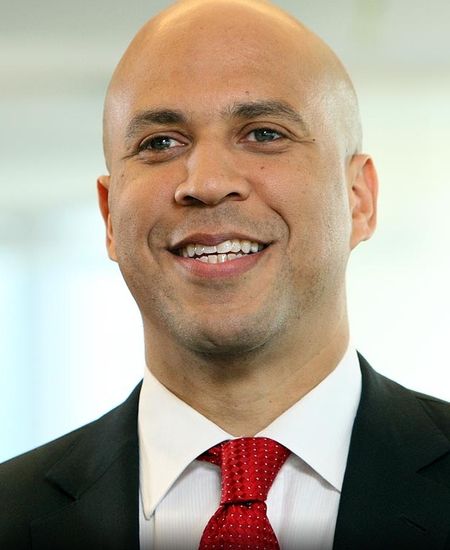
Sen. Cory A. Booker
Sponsored bills
Maddy summaryThis bill provides temporary student loan relief for federal employees and their supporting contractors during government shutdowns. If a shutdown lasts 14+ days in 2026 or later, the Secretary of Education must suspend all federal student loan payments for these "covered individuals," halt interest accrual, and count the suspended months toward loan forgiveness eligibility. It also requires credit reporting agencies to treat suspended payments as if made on time and allows refunds for payments made during qualifying shutdowns. The relief applies retroactively from September 2025.
Maddy summaryThis bill extends the deadline for a program under the Energy Policy Act of 2005 from 2024 to 2029. It amends Section 797(a) of that act to reauthorize the existing diesel emissions reduction funding mechanism. The change directly affects the administration of this federal program, which supports projects reducing emissions from diesel engines. No new requirements or policy changes are introduced - only a deadline extension for an existing program.
Maddy summaryThis resolution (SRES 454) expresses Senate support for designating October 24-31, 2025, as "Bat Week" to raise public awareness about bats' ecological and economic value. It highlights bats' role in controlling insect pests (saving U.S. farmers over $3.7 billion annually), pollinating crops, and maintaining healthy ecosystems, while acknowledging threats like white-nose syndrome. The resolution encourages public events during Bat Week and commits the Senate to continuing conservation efforts for bats and combating the disease. As a non-binding resolution, it does not create new laws but aims to foster public engagement with bat conservation.
Maddy summaryThis bill provides back pay to federal employees, military personnel, and certain contractors who lost compensation due to a government funding lapse during the period from October 1, 2025, through the bill's enactment date. It appropriates funds from the Treasury to cover "standard employee compensation" (including base pay, allowances, and benefits) for all covered individuals during the shutdown period, requiring agencies to distribute payments within 7 days of enactment. The funds may only be used for this specific purpose and cannot be redirected to other agency needs. The pay is retroactive to September 30, 2025, treating affected individuals as if they had received full pay continuously during the shutdown.
Maddy summaryThe TREATS Act amends the Controlled Substances Act to allow telehealth evaluations as an alternative to in-person medical evaluations for prescribing certain controlled substances. Specifically, it permits one telehealth evaluation (conducted via real-time audio/video systems meeting Social Security Act standards) instead of an in-person visit when prescribing FDA-approved medications for substance use disorder treatment (schedules III-V). This directly affects healthcare providers who prescribe these medications, expanding their ability to use telehealth for initial patient assessments. The change maintains the requirement for at least one evaluation (either in-person or telehealth) while updating the process to include telehealth options for this specific treatment context.
Maddy summaryThis bill ensures federal employees, contractors, and military personnel affected by a government shutdown starting October 1, 2025, receive their regular pay and benefits during the shutdown period. It appropriates funds to cover standard pay, allowances, and benefits for "covered individuals" until appropriations are enacted (the "termination date"). The bill also prohibits agencies from implementing layoffs or placing employees on administrative leave for more than 10 workdays during the shutdown. It applies retroactively to September 30, 2025, and charges the costs to future appropriations.
Maddy summaryThis bill ensures uninterrupted food assistance benefits for SNAP recipients during a government funding gap. If Congress fails to pass full funding for the Department of Agriculture by September 30, 2025, the bill directs the Treasury to provide necessary funds to keep SNAP benefits flowing without interruption. It also covers missed benefits retroactively from September 30, 2025, through the bill’s enactment date. The funding stops once Congress enacts actual fiscal year 2026 appropriations for the Department of Agriculture. This directly affects approximately 40 million low-income individuals and families who rely on SNAP benefits.
Maddy summaryThis Senate resolution designates the week beginning October 12, 2025, as "National Wildlife Refuge Week." It recognizes the National Wildlife Refuge System's role in conserving wildlife habitats, supporting recreational activities like birdwatching and fishing, and contributing to local economies, without creating new policies or funding. The resolution encourages public observance and highlights the system's ecological and cultural significance.
Maddy summarySRES 450 is a symbolic Senate resolution supporting the designation of the second Monday in October 2025 as "Indigenous Peoples' Day" to honor Indigenous contributions and history. It does not create a new federal holiday but encourages public observance and recognizes the work of Indigenous communities. The resolution specifically urges the Senate to honor Indigenous Peoples' contributions, support their cultural awareness, and express backing for federal recognition of this day. This resolution directly affects federal recognition efforts, building on existing state and local observances by over 200 municipalities and 17 states. It is a non-binding expression of support, not a policy change.