

Maddy summaryThe Federal Jobs Guarantee Development Act of 2026 establishes a 3-year pilot program providing competitive grants to up to 15 eligible entities (such as states, tribes, or rural areas with unemployment at least 150% of the national rate) to create job guarantee programs. These programs must offer jobs to all residents aged 18+ in the service area, with wages meeting or exceeding federal/state minimums, health coverage comparable to federal employee benefits, and mandated paid leave. The bill requires grantees to provide training support, report demographic data, and comply with specific job access standards for individuals with disabilities and criminal records. Funds are limited to new jobs not displacing existing workers, with annual audits to ensure proper use of resources.
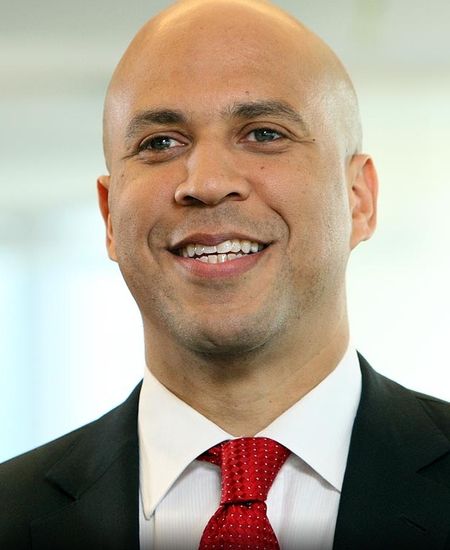
Sen. Cory A. Booker
Sponsored bills
Maddy summaryThis bill creates a new Office of Small Farms within the USDA to better support small farms, ranches, and forest operations (defined as under 180 acres or with under $350,000 annual income). The office will coordinate USDA programs, review policies to remove barriers for small operations, and develop new initiatives like grants up to $25,000 for equipment, land access, or conservation. It requires State coordinators in each state to improve local program delivery and mandates annual reports to Congress on participation progress. The bill authorizes $25 million over five years ($15 million for the office, $10 million for grants and technical assistance).
Maddy summaryThis bill establishes minimum nurse staffing requirements for nursing homes participating in Medicare and Medicaid. It requires facilities to provide 24-hour registered nurse coverage (transitioning from 8-hour daily coverage within 180 days of enactment) and maintain a minimum of 3.48 hours of nursing care per resident daily. The bill mandates a study every four years to review staffing standards based on resident needs and safety data, with findings informing future regulations. Additionally, it directs states to use a portion of collected civil penalties to fund workforce programs like student loan repayment and career pathway development for nursing home staff.
Maddy summary# Summary of Workplace Discrimination and Harassment Legislation This comprehensive bill expands protections against workplace discrimination and harassment while strengthening enforcement mechanisms for workers. Key provisions include: 1. **Expanded Protections (Section 301)**: - Extends anti-discrimination protections to independent contractors, interns, fellows, volunteers, and trainees under major civil rights laws - Creates "covered establishment" definition for entities engaging these workers 2. **Nondisclosure/Nondisparagement Clause Ban (Section 302)**: - Prohibits employers from requiring workers to sign nondisclosure or nondisparagement clauses covering harassment or discrimination - Establishes strict requirements for settlement agreements (including 21-day consideration period, 7-day revocation period, and clear written disclosure) - Protects workers' right to report harassment to the EEOC without penalty 3. **Arbitration Restrictions (Section 303)**: - Bans mandatory pre-dispute arbitration agreements that prevent class or collective actions - Establishes new requirements for post-dispute arbitration agreements - Allows workers to sue employers who violate these provisions 4. **Federal Contractor Compliance (Section 304)**: - Requires federal contractors to disclose past violations of labor and civil rights laws - Establishes Labor Compliance Advisors at executive agencies - Creates a system for monitoring contractor compliance with labor laws 5. **Grant Programs (Sections 401-436)**: - Creates national grants to prevent and address employment discrimination - Establishes grants for legal assistance for low-income workers facing discrimination - Creates a system of state advocacy for workers' rights through state-level systems The bill aims to strengthen worker protections against discrimination and harassment while expanding access to legal remedies and creating new mechanisms for enforcement and prevention. It also includes provisions to ensure federal contractors comply with labor and civil rights laws and establishes new reporting requirements for contractors with past violations.
Maddy summarySRES 606 is a U.S. Senate resolution condemning the Iranian government for violently suppressing peaceful protests and the right to assemble, which has resulted in at least 6,126 reported deaths and 41,800 arrests since December 2025. It highlights Iran's use of internet blackouts, extrajudicial killings, arbitrary detentions, and censorship to crush nationwide demonstrations sparked by economic hardship. The resolution calls on Iran to hold free elections, allow citizens to determine their future, and hold human rights violators accountable, while commending protesters' courage. As a symbolic resolution (not a law), it expresses the Senate's stance without imposing new legal requirements.
Maddy summaryThis bill amends federal laws (Sections 241 and 242 of Title 18, U.S. Code) to allow state attorneys general to file civil lawsuits in federal court when residents suffer harm from rights violations. Specifically, it permits state AGs to sue on behalf of affected residents (as "parens patriae") if they believe someone experienced bodily injury, serious injury, or death due to conspiracy or deprivation of rights under color of law. The bill enables courts to grant relief like injunctions or damages if the defendant acted maliciously, oppressively, or recklessly. It directly affects state attorneys general and residents who experience such rights violations. The changes expand state enforcement authority under existing federal civil rights laws.
Maddy summaryThe SHADOW Fleet Sanctions Act of 2026 imposes sanctions on vessels and foreign entities supporting Russia's shadow fleet - vessels used to circumvent sanctions on Russian oil exports. It targets foreign vessels engaging in unsafe maritime behavior, lacking proper insurance, or evading the crude oil price cap, as well as foreign persons facilitating such activities through ship-to-ship transfers, insurance, or port services. The bill requires sanctions on port terminals in China or India accepting oil from sanctioned vessels and establishes a public database of vessels suspected of sabotage activities. It also creates reporting requirements and a strategy to counter China's role in evading sanctions on Russian energy products.
Maddy summaryThis bill would create new federal criminal offenses for law enforcement officers and government officials who use excessive force, steal property, or obstruct investigations into misconduct. It prohibits intentionally causing bodily injury through excessive force (with penalties up to 30 years for serious cases), stealing money or property valued over $25, and destroying evidence related to misconduct (with penalties up to 20 years). The legislation defines "excessive force" as objectively unreasonable force and establishes a 7-year statute of limitations for most offenses, except for those resulting in death, which have no time limit. This directly affects government officials acting under color of law by creating new accountability mechanisms for misconduct.
Maddy summaryS 3803, the Right to Redress Act, allows individuals to request a jury trial when filing civil claims against the U.S. government for property damage, personal injury, or death caused by negligent or wrongful acts of federal law enforcement officers during official duties. It directly affects people harmed by federal officers (such as FBI agents or border patrol agents) while they are performing their jobs. The bill adds a new provision (28 U.S.C. § 2675(d)) requiring courts to provide jury trials for these specific claims upon the claimant's request. This changes the existing process by giving claimants a choice between administrative review or a jury trial, while clarifying that "federal law enforcement officer" includes agents and employees authorized to enforce federal law.
Maddy summaryThis bill requires the U.S. Department of Transportation to propose new federal safety standards for seat belts on all new school buses within 180 days of enactment. It directs the Secretary to specifically consider lap/shoulder belt systems (Type 2), safety findings from the National Transportation Safety Board, and existing state practices where seat belts are already required. The proposed rules must also evaluate innovative seat belt detection and reminder systems for school bus designs. The bill directly affects manufacturers of new school buses and aims to establish uniform federal seat belt requirements for all new vehicles, regardless of size.