

Maddy summaryThis bill, known as the Fair Wages for Home Care Workers Act, would change federal labor rules to require overtime pay and minimum wage protections for certain babysitters who currently do not receive these benefits. It specifically targets casual babysitting jobs that are irregular or intermittent and not performed by individuals whose primary occupation is babysitting. The law would also clarify that trained medical professionals like nurses and home health aides remain exempt from these new requirements, ensuring the changes apply only to casual domestic caregivers. By amending the Fair Labor Standards Act of 1938, the bill aims to extend wage protections to a specific group of home care workers while maintaining existing exemptions for professional medical staff.
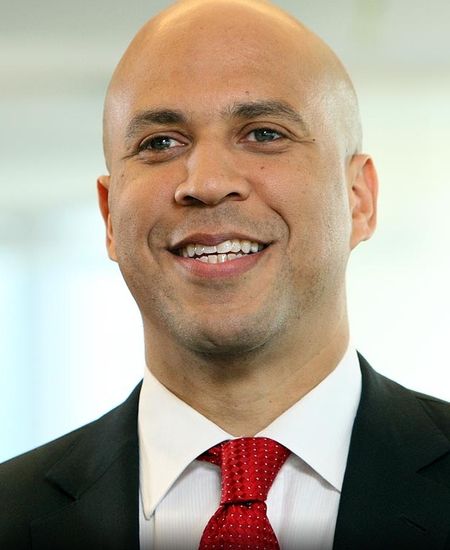
Sen. Cory A. Booker
Sponsored bills
Maddy summaryThis bill, titled the Working Americans' Tax Cut Act, proposes two main tax changes: it creates an alternative maximum tax rate of 25.5% for low- and middle-income individuals earning less than 175% of a cost-of-living exemption, and it imposes a progressive surcharge on high-income individuals earning over $1 million. The low-income provision calculates taxes based on income above a living expense threshold that adjusts annually with inflation, while the high-income surcharge applies rates of 5%, 10%, and 12% to income brackets above $1 million, $2 million, and $5 million respectively. Both provisions use modified adjusted gross income as the base for calculations and apply to taxable years beginning after December 31, 2025. The bill would directly affect individual taxpayers by altering how their income is taxed under the Internal Revenue Code.
Maddy summaryThis bill updates the federal program that provides grants to nonprofit organizations for helping rural residents build or repair their own water wells and wastewater systems. It directly affects low- and moderate-income households in rural areas by adjusting income eligibility thresholds and increasing the maximum subgrant amount to $20,000. The legislation also requires nonprofits to offer loans to households earning between 60 and 100 percent of the median nonmetropolitan income, and it adds funding to cover five-year performance warranties for wastewater systems. Finally, the program's expiration date is extended from 2023 to 2031, allowing continued support for these infrastructure projects.
Maddy summaryThis bill, titled the Tariff Refunds for Working Families Act, would create a new tax credit for eligible individuals in 2026, providing $600 per adult and $600 per qualifying child. The credit is limited to taxpayers with adjusted gross income below $180,000 for joint filers, $120,000 for heads of household, and $90,000 for other filers. The legislation states that the revenue for these rebates would come from tariffs described as unlawful, including those imposed under the International Emergency Economic Powers Act. Payments would be issued rapidly after enactment, with no interest allowed on the refunds, and the bill includes provisions for coordinating payments with U.S. territories.
Maddy summaryThis bill, known as the PREDICT Act, directs the federal government to provide funding to states, tribes, and local health departments for wastewater surveillance programs designed to detect and monitor infectious diseases. The legislation requires the Secretary of Health and Human Services to award grants and contracts to eligible entities that submit detailed plans for wastewater sampling, data sharing, and response strategies. Funds can be used to establish new testing capabilities, expand surveillance in rural areas and facilities without proper wastewater treatment, and implement evidence-based monitoring practices. The bill also mandates the creation of technical assistance programs and standardized testing guidelines to ensure consistent data collection and reporting across all participating jurisdictions.
Maddy summaryThis bill, known as the Raising Awareness for Youth Suicide Prevention Act, requires schools that receive federal education funding to include mental health and suicide prevention resources on student identification cards. The law mandates that these cards display contact information for the 988 Suicide & Crisis Lifeline, the Crisis Text Line, and any state or local suicide prevention hotlines available in the area. Schools that do not issue physical ID cards must instead post this information prominently on their websites and include it on digital platforms students regularly use. The bill also directs the federal education secretary to run outreach campaigns to help students, parents, and school staff learn about these mental health resources.
Living Donor Protection Act of 2025 This bill prohibits life insurance, disability insurance, and long-term insurance carriers from denying or otherwise restricting coverage for living organ donors. Specifically, carriers may not deny, cancel, vary premiums, or otherwise impose conditions on policies based on an individual's status as a living organ donor. The bill also expressly specifies that recovery from organ-donation surgery constitutes a serious health condition that entitles eligible employees to job-protected medical leave. In addition, the Department of Health and Human Services must update educational materials on living organ donation to include information about the benefits and risks of living organ donation and the impact of donation on insurance access, particularly with respect to the bill's changes.
Maddy summaryThis concurrent resolution formally recognizes March 10, 2026, as "Abortion Provider Appreciation Day" to honor abortion providers and staff for their work in delivering essential reproductive care. It highlights their courage amid challenges including clinic closures, safety threats, and increased harassment following the Dobbs decision. The resolution symbolically affirms Congress's support for providers' safety and patients' access to abortion care, without creating new legal requirements or affecting any individuals directly. (1 sentence; procedural resolution)
Maddy summaryThe Keep Your Pay Act (S. 4042) modifies the U.S. tax code to increase the standard deduction and adjust tax rates for high earners, while also expanding tax credits for workers and families. Beginning in 2026, the standard deduction will rise to $56,250 for single filers and $37,500 for married couples, while the top income tax rate for the highest earners will increase from 37% to 43%. The bill also permanently extends the earned income credit for individuals without qualifying children, expands eligibility for those in U.S. possessions like Puerto Rico, and creates a new monthly child tax credit of up to $300 per child with advance payments starting immediately upon enactment. Additionally, a new $500 credit is established for certain other dependents not covered by the child tax credit.
Maddy summaryThis bill, known as the AADAPT Act, would expand the Project ECHO Grant Program to include public and nonprofit private entities in addition to existing eligible organizations. The legislation specifically adds dementia care to the list of health areas the program can support, alongside palliative care. By broadening eligibility and scope, the bill aims to increase the number of healthcare providers trained to address Alzheimer's disease and other forms of dementia. The changes would be implemented through amendments to the Public Health Service Act, allowing for greater knowledge sharing and capacity building in dementia care across the healthcare system.