

CDC Tribal Public Health Security and Preparedness Act This bill allows tribes and tribal organizations to apply directly to the Centers for Disease Control and Prevention (CDC) for Public Health Emergency Preparedness (PHEP) program funds. Currently, only states and certain local entities may apply for PHEP funds to respond to public health emergencies, such as COVID-19. The CDC must award at least 10 cooperative agreements to tribal applicants. Additionally, the CDC must consult with tribes and tribal organizations to ensure the PHEP program enables these entities to respond to public health emergencies. The CDC may make certain modifications to the program after the consultation.
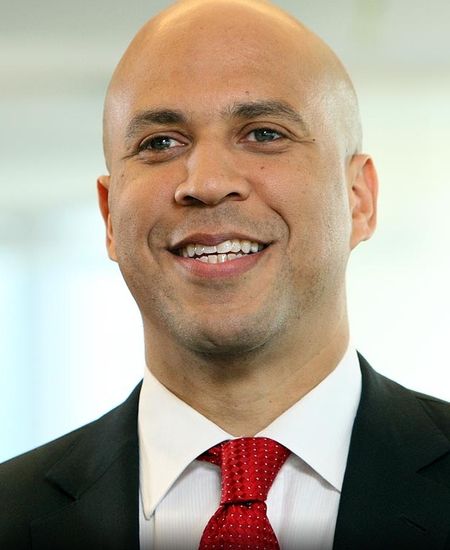
Sen. Cory A. Booker
Sponsored bills
This resolution designates March 24, 2022, as National Women in Agriculture Day. It also recognizes the important role of women in agriculture as producers, educators, leaders, mentors, and more
Maddy summarySRES 560 designates March 2022 as "Endometriosis Awareness Month" to recognize endometriosis as a chronic disease affecting approximately 1 in 10 women of reproductive age in the United States. The resolution urges federal health agencies to improve public education, fund research, and update resources on endometriosis, which causes chronic pain, infertility, and high healthcare costs for millions of women.
NCAA Accountability Act of 2021 This bill establishes due process and notice requirements for the investigations carried out by certain intercollegiate athletic associations and related organizations. Specifically, the requirements apply to interstate athletic associations, conferences, or other organizations with authority over intercollegiate athletics or that administer intercollegiate athletics and that have at least 900 member institutions. Such organizations must establish and administer due process requirements for the investigation of any member institution, student athlete enrolled in such member institution, or other individual for infractions of the athletic association's bylaws or failure to meet the conditions and obligations of membership. The Department of Justice must establish procedures for (1) individuals and entities to file complaints, (2) the investigation of complaints that have a substantial probability of validity, and (3) the investigation of other violations of this bill.
Baltic Defense and Deterrence Act This bill requires the Department of State to establish and implement an initiative to increase security and economic ties with the Baltic countries (i.e., Estonia, Latvia, and Lithuania). The bill also requires the Department of Defense to establish and implement an initiative to deepen security cooperation with the Baltic countries.
READ Act Reathorization [ sic ] Act of 2022 This bill reauthorizes a law that requires the implementation of a strategy to promote quality basic education in partner countries by (1) expanding access to basic education for all children, particularly marginalized children and vulnerable groups; and (2) improving the quality of basic education and learning outcomes.
Military Spouse Hiring Act This bill expands the Work Opportunity Tax Credit (WOTC) to include the hiring of a qualified military spouse. (The WOTC permits employers who hire individuals who are members of a targeted group such as qualified veterans, ex-felons, or long-term unemployment recipients to claim a tax credit equal to a portion of the wages paid to those individuals.) A qualified military spouse is any individual who is certified by the designated local agency as being (as of the hiring date) a spouse of a member of the Armed Forces.
This resolution celebrates the successes of American Indian, Alaska Native, and Native Hawaiian women and the contributions they have made in the United States. The resolution also recognizes the importance of supporting equity, providing safety, and upholding the interests of these women.
Government Surveillance Transparency Act of 2022 This bill requires that law enforcement authorities notify subjects of criminal surveillance orders that cover emails, texts, and similar electronic data and limits the ability of authorities to delay or preclude the required notice. In addition, the bill (1) prohibits, subject to exceptions, courts from sealing criminal surveillance orders; (2) generally requires that public docket records related to criminal surveillance orders be made publicly available; and (3) permits any person to request that a court unseal a surveillance order.
Prohibiting Anticompetitive Mergers Act of 2022 This bill prohibits certain business mergers, modifies the procedures for reviewing mergers, and establishes procedures for reversing certain mergers. Specifically, the bill prohibits mergers that (1) are valued at more than $5 billion in total assets, (2) result in the acquiring entity having a market share of greater than 33% (or a share of a labor market as an employer of greater than 25%), or (3) result in market concentration levels that exceed specified thresholds. The bill also expands the authority of the Federal Trade Commission (FTC) and the Antitrust Division of the Department of Justice (DOJ) to review pending mergers, including whether a merger is likely to harm the competitive process and the effect of a merger on relevant labor markets. Finally, the bill authorizes the FTC and the Antitrust Division of the DOJ to retroactively unwind mergers that are prohibited under the bill or that meet certain other anticompetitive criteria such as a merger that results in a greater than 50% share of a relevant market.