

Maddy summaryThe A PLUS Act (S 110) allows states to consolidate federal education funds under a "declaration of intent," giving them flexibility to manage programs like Title I under the Elementary and Secondary Education Act (ESEA) while reducing administrative burdens. States must submit a declaration outlining eligible programs, commit to using funds to supplement state funding (not replace it), and report annually on student progress to parents and taxpayers. Key provisions include limiting administrative costs to 1% of consolidated funds (or 3% if excluding Title I), requiring accountability for disadvantaged students, and prohibiting consolidation of Individuals with Disabilities Education Act (IDEA) funds. The bill directly affects states, local school districts, and parents through streamlined fund use and transparency requirements.
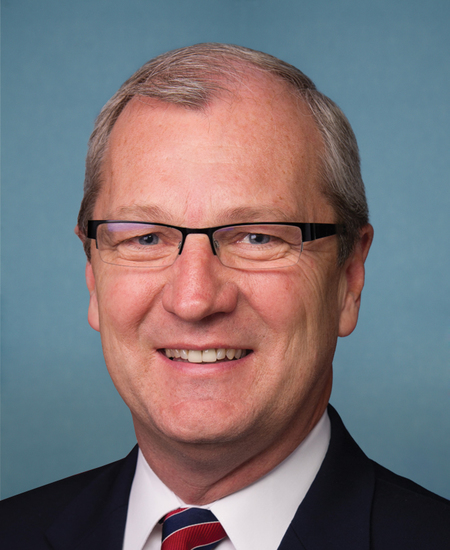
Sponsored bills
Maddy summaryThis bill prohibits the FDA from approving new abortion drugs and restricts existing approved drugs to in-person administration by certified healthcare providers. It requires providers to be certified in pregnancy assessment, ectopic pregnancy diagnosis, and emergency care capabilities, and mandates that drugs can only be dispensed in clinics, offices, or hospitals. The bill also imposes new reporting requirements for adverse events (like hospitalizations or severe infections) and requires providers to document risks to patients before prescribing. These provisions apply to all drugs defined as "abortion drugs" under the bill, which includes any substance intended to terminate pregnancy (excluding specific medical exceptions).
Maddy summaryThis bill amends the Congressional Budget Act to require the Congressional Budget Office (CBO) Director to assess whether health-related proposals could reduce future federal spending through preventive health measures. It directs the CBO to document and project these potential savings in budget analyses when requested by specific congressional committees (Budget, Finance, Health, or Energy committees in either chamber). The law defines "preventive health" as evidence-based actions that prevent disease and promote wellness, and mandates the CBO to include these savings estimates in budget projections for up to 20 years beyond the current budget cycle. The bill affects how federal spending reductions from preventive health programs are scored, not the programs themselves.
Maddy summaryThis bill prohibits U.S. federal funding for gain-of-function research on certain viruses. It directly affects universities and research institutions that conduct such research, banning new federal grants for them. The law defines gain-of-function research as work that could make influenza, MERS, or SARS viruses more dangerous or contagious in any organism. Federal agencies must stop awarding new grants to institutions performing this specific type of research.
Maddy summaryThis bill requires the U.S. government to prioritize payments for Social Security benefits, military pay, veterans' benefits, Medicare, and debt held by the public if the national debt reaches its legal limit. It mandates that the Treasury automatically increase the debt ceiling by the amount needed to cover these priority payments during any two-week period where revenue would otherwise fall short. The law directly affects Social Security recipients, active-duty military personnel, veterans, Medicare beneficiaries, and holders of U.S. Treasury debt. Key provisions include automatic debt limit adjustments based on revenue projections and holding excess funds for future payment periods. The bill aims to prevent default on these critical obligations without requiring new congressional action during debt limit crises.
Maddy summaryThis bill prohibits federal funds from covering abortions in most circumstances, including health benefits plans, with exceptions for cases of rape, incest, or when a pregnancy endangers a woman's life. It specifically bars the use of Affordable Care Act (ACA) premium tax credits and cost-sharing reductions for health plans that cover abortion, requiring insurers to disclose abortion coverage details separately in marketing materials. The law applies to all federal health programs and ACA marketplace plans, ensuring taxpayer dollars aren't used for abortion services or coverage. It does not affect private insurance plans purchased with non-federal funds or separate abortion coverage options.
Lifting Local Communities Act This bill specifies that government entities may not discriminate against religious organizations when awarding federal funds for social services programs (i.e., government programs that provide services for low-income individuals and communities, such as child care, transportation, employment, housing, and meal services). Specifically, religious organizations are eligible to apply for and receive federal funds to provide services for social services programs on the same basis as private, nonreligious organizations. Additionally, government entities may not discriminate against private organizations on the basis of religion when selecting funding recipients. Organizations that receive federal funds for social services programs may not discriminate against individuals on the basis of religion when providing services. If an individual objects to the character or affiliation of a private organization that is providing a service as part of a social services program, government entities must provide the individual with reasonable alternatives. Religious organizations may bring civil actions against entities for violations.
Maddy summaryS 68, the FARM Act, requires the Committee on Foreign Investment (CFIUS) to review foreign investments in U.S. agriculture businesses and supply chains. It adds the Secretary of Agriculture to CFIUS and designates agricultural supply chains as critical infrastructure and critical technologies. The bill mandates a report within one year detailing foreign investments in U.S. agriculture, potential threats to supply chains, and espionage risks targeting agricultural data. This directly affects foreign entities seeking to acquire or invest in U.S. agricultural operations and supply chain systems.
Maddy summaryThe Standing with Moms Act of 2023 requires the U.S. Department of Health and Human Services to create a public website (life.gov) and an interactive portal within one year of enactment. The portal uses a question-based system to connect pregnant individuals with location-specific resources, including mental health support, medical services, financial assistance, childcare, and alternatives to abortion. It prohibits listing resources from organizations that provide or promote abortions and mandates multilingual access. The bill also requires annual reporting on website usage and resource gaps to Congress, focusing on improving support for pregnant and postpartum women.
Maddy summaryS 78 requires physicians performing abortions on minors from out-of-state to provide at least 24 hours' written notice to the minor's parent before the procedure, unless specific exceptions apply. It prohibits transporting minors across state lines to bypass parental involvement laws in their home state, with penalties for violations. Exceptions include life-threatening medical conditions, compliance with the minor's home state's abortion laws, or documented court authorization. The bill directly affects minors seeking out-of-state abortions, their parents, and medical providers who perform such procedures.