

Maddy summaryThis bill prohibits the Department of Health and Human Services from implementing a proposed rule requiring minimum staffing levels in nursing homes, which opponents argue could accelerate closures, especially in rural areas. Instead, it creates a 17-member Advisory Panel on the Nursing Home Workforce to study staffing shortages, barriers to care access for seniors in rural and underserved areas, and regulatory impacts. The panel must submit an initial report within 60 days of its first meeting, analyzing workforce challenges and recommending solutions to strengthen staffing without imposing new mandates. The bill directly affects rural nursing homes and seniors who rely on these facilities, aiming to prevent closures by addressing systemic workforce issues through analysis rather than immediate regulatory changes.
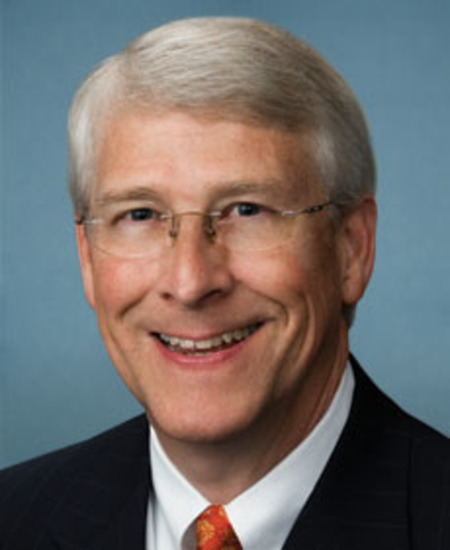
Sen. Roger F. Wicker
Sponsored bills
Maddy summaryThis bill (S 2087) extends the authorization period for the Congressional Award Program, which recognizes young Americans for achievements in community service, personal growth, and physical fitness. It reauthorizes the program through October 1, 2028, instead of ending in 2023. The bill makes minor technical updates to medal specifications but does not change eligibility or program structure. The Congressional Award Program directly affects youth participants and the agencies managing the awards.
Maddy summaryThis bill requires commercial fishing vessel operators and crew to receive safety training addressing behavioral and physical health risks, including substance use disorder and fatigue. It increases annual funding for these programs from $3 million to $6 million for fiscal years 2024 and 2025. The bill also allows the Department of Transportation to transfer funds to the Department of Health and Human Services to administer the training grant programs. These changes directly affect commercial fishing crews and vessel operators by mandating new wellness-focused safety training and providing dedicated funding for implementation.
Maddy summaryThis bill allows livestock producers and their employees to take (capture, kill, or disperse) black vultures that are causing or likely to cause harm to livestock, as defined under federal law. It directly affects livestock operations in areas where black vultures threaten animals, permitting this action under the Migratory Bird Treaty Act exemptions. Key provisions prohibit using poison to take vultures and require annual reports to the Fish and Wildlife Service using a simplified form developed within 180 days of enactment. The bill aims to balance livestock protection with conservation requirements by adding reporting obligations while restricting harmful methods.
This resolution commends the University of Mississippi for its 175 years of service to Mississippi and the United States. It also recognizes the University of Mississippi for its academic, research, cultural, and athletic excellence.
Maddy summaryThe FISA Reform and Reauthorization Act of 2023 extends FISA surveillance authorities through 2035 while adding significant new protections for U.S. persons. It requires the FBI to implement stricter procedures for queries of communications, including mandatory training, approval processes for certain queries, and detailed annual reporting on surveillance activities. The bill also mandates accuracy certifications for FISA applications, enhances congressional oversight, and establishes a new FISA Reform Commission to review the surveillance system. These changes aim to balance national security needs with privacy protections for U.S. citizens.
Maddy summaryThis non-binding Senate resolution (SRES 472) commemorates the 90th anniversary of the 1932-1933 Holodomor - a Soviet-era famine that killed millions of Ukrainians - and connects it to Russia's current war in Ukraine. It condemns Vladimir Putin's invasion as an existential threat to Ukraine, specifically noting how Russia's attacks on Ukrainian agriculture and energy infrastructure have worsened global food insecurity. The resolution urges Russia to stop attacking civilians, withdraw troops, and respect Ukraine's sovereignty, while honoring Holodomor victims and supporting Ukraine's defense against Russian aggression. As a commemorative resolution, it does not enact new policies but expresses the Senate's position on historical and current events.
Maddy summaryThis bill prohibits state and federal governments from denying contracts, funding, or licenses to child welfare service providers (including religious organizations and individuals) who decline to provide services conflicting with their sincerely held religious beliefs or moral convictions. It specifically protects providers from adverse actions like refusing to renew contracts or canceling funding when their religious objections prevent them from offering certain services, such as foster care placements or adoption assistance. The law allows affected providers to sue for violations and requires states that violate the law to forfeit 15% of their federal child welfare funding. It applies to all federally funded child welfare services under Title IV of the Social Security Act, covering services like foster care, adoption support, and family preservation.
Maddy summarySRES 470 is a symbolic Senate resolution designating November 16, 2023, as "National Rural Health Day." It commemorates rural communities' contributions to health care and acknowledges the unique challenges rural health providers and patients face, including access barriers and hospital closures. The resolution recognizes the efforts of rural health care workers and the millions they serve, while expressing a commitment to future policy improvements for rural health care. It does not create new laws, funding, or direct obligations - it serves solely as a formal acknowledgment of rural health issues.
Maddy summaryThis Senate resolution (SRES 471) expresses formal support for National Adoption Day (observed November 18, 2023) and National Adoption Month (November 2023). It promotes awareness about children in foster care awaiting adoption, celebrates adoption success stories, and encourages U.S. citizens to support efforts securing permanent, safe homes for all children. The resolution does not create new laws or funding but serves as a symbolic gesture to highlight adoption needs. It specifically references foster care statistics (e.g., 114,000 children awaiting adoption) to underscore its purpose.