

Maddy summaryS 4034, the "No Bystanders at the United Nations Human Rights Council Act of 2024," requires the U.S. to withhold annual contributions to the UN Human Rights Council (UNHRC) until the Council establishes an independent body to investigate human rights abuses by the Chinese Communist Party (CCP) in China. The bill’s key mechanism mandates that the Secretary of State withhold U.S. funding for the UNHRC budget until certification is provided to Congress that the Council has mandated such an investigation. It directly affects the UNHRC’s funding by the U.S., the largest UN contributor, and targets the Council’s failure to investigate CCP abuses despite previous investigations into Israel. The bill does not alter U.S. funding for the broader UN system, only the UNHRC budget.
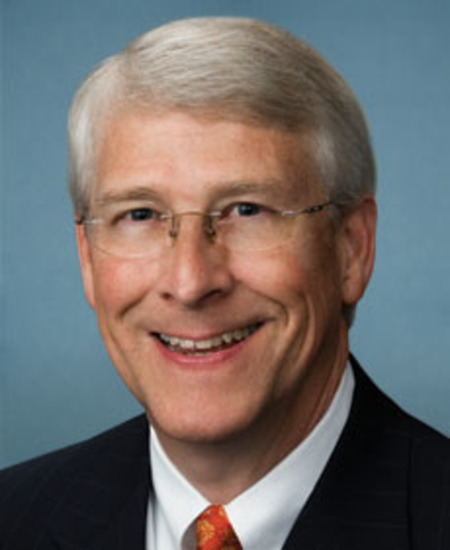
Sen. Roger F. Wicker
Sponsored bills
Maddy summaryThis bill increases funding for the Secure and Trusted Communications Networks Act by raising the authorized amount from $1.9 billion to $4.98 billion and appropriates an additional $3.08 billion for the Federal Communications Commission (FCC) in fiscal year 2024. It requires the FCC to complete Auction 97 - re-auctioning licenses for specific radio frequency bands (AWS-3) - within one year of enactment, ignoring normal expiration deadlines for auction authority. The bill directly affects the FCC, which must manage the auction process, and telecom companies seeking spectrum licenses in those bands. The changes aim to accelerate the reallocation of spectrum to support network security and infrastructure, without altering the underlying policy goals of the original act.
Maddy summaryThis Senate resolution designates March 21, 2024, as "National Women in Agriculture Day." It recognizes the contributions of women in agriculture as producers, educators, leaders, and mentors, highlighting their role in farming operations, agricultural sales (accounting for 36% of U.S. farm sales in 2022), and workforce development. The resolution encourages all citizens to acknowledge women's impact on the agricultural industry and support their participation in the field through initiatives like mentorship and education. As a symbolic gesture with no legal effect, it does not create new policies or obligations but aims to raise awareness of women's roles in agriculture.
Maddy summaryThis bill amends federal health law to create grants supporting medical student training in rural and underserved areas. It provides funding for partnerships between medical schools and community health providers (like rural clinics or federally qualified health centers) to expand clinical rotations for students in those communities. Grants last 1-5 years and require detailed plans for quality improvement, sustained access to care, and post-funding continuity. The goal is to increase long-term physician presence in high-need areas by connecting medical education with community health needs. It directly affects medical students, participating healthcare facilities, and residents of underserved communities.
Maddy summaryThis bill (SJRES 64) seeks to block a Federal Communications Commission (FCC) rule published in the Federal Register (89 Fed. Reg. 4128, January 22, 2024) that implements provisions from the Infrastructure Investment and Jobs Act related to preventing digital discrimination. It requests Congress disapprove the rule under Chapter 8 of Title 5, U.S. Code, which would prevent the rule from taking effect. The resolution directly affects the FCC's ability to enforce digital discrimination prevention measures under the Infrastructure Investment and Jobs Act. If passed, the rule would have no legal force or effect, halting the FCC's regulatory action on this specific issue.
Maddy summaryThis joint resolution (SJRES 65) seeks to disapprove an Environmental Protection Agency (EPA) rule that would have revised national air quality standards for tiny air particles (particulate matter), which are pollutants linked to health issues like asthma and heart disease. The EPA rule, published on March 6, 2024, proposed updating these standards to tighten pollution limits. By invoking the Congressional Review Act, the resolution would block the rule from taking effect, maintaining the current standards without changes. This directly affects the EPA’s ability to implement the proposed revisions to air quality regulations, impacting public health protections and industry compliance requirements.
Maddy summaryS 3933, the Laken Riley Act, amends immigration law to require mandatory detention for non-citizens charged with certain crimes like theft or burglary, rather than allowing release. It directly affects individuals facing these charges and gives state attorneys general the legal standing to sue federal agencies (like DHS or the State Department) if they claim immigration policies caused the state or residents financial harm exceeding $100. Key provisions include requiring Homeland Security to take custody of such individuals and establishing new court procedures for states to seek injunctions against federal immigration enforcement actions. The bill does not change border policies but focuses on detention requirements and state legal challenges to federal immigration enforcement.
Maddy summary# Summary of Section 1327: Disclosure of Flood Risk Information Prior to Transfer of Property This section establishes new requirements for disclosing flood risk information before property transactions occur: 1. **Effective Date**: After September 30, 2024, no new flood insurance coverage may be provided for real property unless a required flood hazard disclosure is provided to the purchaser or lessee. 2. **For Property Sellers**: - Must provide written disclosure to purchasers before they become obligated under a purchase contract - Must disclose: * Prior flood damage to structures on the property * Previous insurance claims related to flood damage * Repetitive loss structure status * Federal flood insurance obligations * Wetland status * Elevation certificate status * Previous disaster assistance received * Relative flood risk and approximate cost of flood insurance 3. **For Property Lessors** (for leases of 30+ days): - Must provide written disclosure to lessees before they become obligated under a lease contract - Must disclose: * Federal flood insurance obligations * Prior flood damage to the leased unit * Availability of flood insurance coverage for contents 4. **State Flexibility**: The section explicitly states that nothing prevents states from adopting additional disclosure requirements beyond those specified in this section. 5. **Implementation Deadline**: Property owners must provide satisfactory assurance that flood hazard disclosure requirements meeting these standards will be adopted for their area by October 1, 2024 (as amended in Section 1305(c)). This provision aims to increase transparency about flood risks before property transactions, helping potential buyers and renters make informed decisions about flood insurance needs and property risks.
Maddy summaryThis joint resolution (SJRES 63) seeks to block a specific rule issued by the Department of Labor (DOL) concerning worker classification under the Fair Labor Standards Act (FLSA). The DOL rule (published January 10, 2024) aimed to clarify how businesses must classify workers as employees or independent contractors for purposes of minimum wage and overtime pay. If passed, this resolution would formally disapprove the rule under a statutory process (Chapter 8 of Title 5, U.S. Code), preventing it from taking effect. The rule directly affects employers across industries who use independent contractors and their workers, as it would change how worker status is determined under federal labor law.
Maddy summaryThis bill extends the current minimum wage rate for H-2A agricultural workers through December 31, 2025. It directly affects farm employers who hire temporary foreign workers under the H-2A visa program, ensuring they continue paying the wage rate in effect as of December 31, 2023. The key provision maintains the existing wage rate without modification for two additional years, avoiding potential increases. It also clarifies that job duties will be evaluated to determine the applicable wage rate for workers performing multiple tasks.