

Maddy summaryThe Judicial Ethics and Anti-Corruption Act of 2023 restricts federal judges and justices from holding certain investments and business interests that could create conflicts of interest, requiring divestment of stocks, commercial real estate, and business ownership. It creates a new Federal Employee Investment Account system allowing judges to maintain investments without conflicts, while establishing civil penalties of up to $50,000 for violations. The bill strengthens gift restrictions, improves transparency by requiring judges to publicly disclose recusal-related interests and make speeches available online, and establishes a Supreme Court Complaints Review Committee to handle misconduct complaints against justices. It also clarifies ethical standards and creates new disclosure requirements for judicial conduct. These provisions directly affect all federal judges, justices, and their financial holdings.
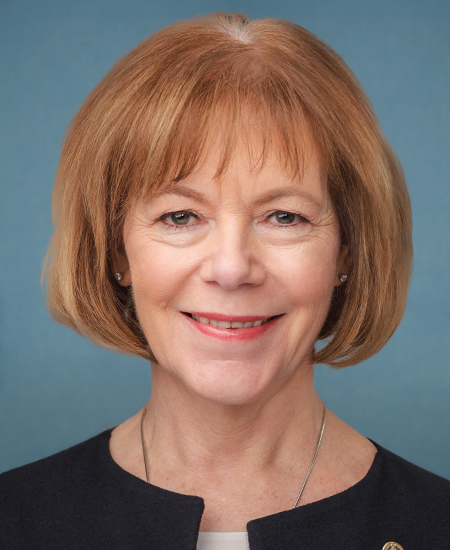
Sponsored bills
Maddy summaryThis bill establishes the Advisory Council to Support Victims of Gun Violence, which will identify and organize resources for individuals affected by gun violence. It directly impacts victims (including those wounded, threatened, witnessing incidents, or connected to victims) and their families, as defined by the bill to cover suicide, homicide, domestic violence, mass shootings, and other firearm-related incidents. The council will assess victim needs, compile best practices for medical, financial, mental health, and legal support, and publish accessible resources online and to government offices. The council must report to Congress and state agencies within 180 days of enactment, with a follow-up report two years later, but requires no new federal funding and expires after five years.
Maddy summaryLeveling the Playing Field 2.0 Act makes significant changes to U.S. antidumping and countervailing duty investigations. It establishes special rules for successive investigations (follow-up investigations on the same merchandise), addresses cross-border subsidies and foreign market distortions that affect pricing, and requires importers to provide certifications to prevent duty evasion. The bill also includes provisions for investigating currency undervaluation as a countervailable subsidy. These changes primarily affect U.S. manufacturers competing with foreign imports and importers of goods from countries with potentially distorted markets. The bill aims to improve the accuracy and effectiveness of trade remedy investigations to better protect U.S. industries.
Maddy summaryThis bill strengthens oversight of licensed gun dealers by increasing compliance inspections from once to three times annually (Section 2) and raising criminal penalties for violations from one to five years (Section 3). It introduces new requirements, including mandatory physical inventory checks when dealers unlawfully transfer firearms or 10+ crime guns are traced to them (Section 8), and allows the ATF to suspend licenses or impose $10,000 civil penalties per violation for safety failures or trafficking-related offenses (Section 5). The bill also expands license denial grounds to include public safety risks or unsuitability (Section 9) and mandates biennial reports on implementation to Congress (Section 12). These changes directly affect licensed firearms dealers, importers, manufacturers, and collectors under federal law.
Maddy summaryThis bill expands Medicare coverage for diabetes self-management training by removing cost-sharing (100% coverage) and allowing more providers, including nurse practitioners and other qualified professionals, to deliver the services. It sets specific limits: beneficiaries receive 10 initial training hours plus up to 2 hours annually for ongoing support. The bill also establishes a pilot program (starting 2025) to test virtual training options, aiming to improve health outcomes like lower A1c levels and reduce hospitalizations. It directly affects Medicare beneficiaries with diabetes, particularly those in rural or underserved communities seeking accessible care.
Maddy summaryThis bill prohibits the online distribution of digital instructions (like 3D printer files) that can automatically create firearms or complete firearm frames/receivers. It directly affects individuals or entities sharing such code online, not those using 3D printers to make guns. The key mechanism bans sharing this code via the internet or World Wide Web, aiming to prevent untraceable firearms that lack serial numbers. This addresses a safety concern where 3D-printed guns evade detection and background checks, undermining firearm tracing used in crime investigations.
Maddy summaryS 1831, the Roadless Area Conservation Act of 2023, protects designated roadless areas within the National Forest System by prohibiting road construction, reconstruction, and logging in those areas, as defined by the existing Roadless Rule. This directly affects National Forest visitors, communities relying on clean water from protected watersheds, Native American tribes with sacred sites in these areas, and forest managers. The bill codifies current protections under the Roadless Rule, ensuring these areas remain undisturbed to maintain water quality, biodiversity, recreation opportunities, and habitat for wildlife. It does not restrict access to National Forests outside these designated areas or impose new limitations on land use beyond the existing rule.
Maddy summaryThe FASD Respect Act (S.1800) establishes a new federal program within the Health and Human Services (HHS) Department to address fetal alcohol spectrum disorders (FASD). It directly affects individuals with FASD, their families, and healthcare providers by requiring HHS to fund research, improve diagnostic standards, and build state and tribal capacity for prevention and support services. Key provisions include creating FASD Centers for Excellence to develop culturally appropriate screening tools, train medical and social service professionals, and maintain national resource directories for FASD care. The bill mandates HHS to report on progress within four years and authorizes $5 million annually for fiscal years 2024-2028 to support these efforts.
Maddy summaryThis bill requires banks with over $10 billion in assets to claw back certain executive compensation if the bank fails. It directly affects executives, directors, and controlling shareholders at large banks that cause significant financial harm or fail. The key provision mandates recovery of salary, bonuses, equity awards, and other covered compensation paid within the prior three years when a bank becomes insolvent or is resolved. Any recovered funds must be deposited into the Deposit Insurance Fund. This amends existing banking law to strengthen accountability for executive pay during bank failures.
Maddy summaryThis resolution (SRES 230) symbolically recognizes the 102nd anniversary of the 1921 Tulsa Race Massacre, a violent attack by a White mob that killed an estimated 300 Black residents and destroyed the Greenwood District in Tulsa, Oklahoma - a thriving Black business community known as "Black Wall Street." It honors the victims and survivors, condemns the historical and ongoing legacy of racial violence, and encourages U.S. schools and universities to include education about the massacre in curricula. As a non-binding resolution, it does not enact new laws or policies but serves as a formal acknowledgment by the Senate of this pivotal event in American history.